Le Marais.

The more you see the less you know
The less you find out as you go
I knew much more then t
han I do now

 Neon heart, day-glo eyes
The city lit by fireflies
They’re advertising in the skies
For people like us

 – “City of Blinding Lights” by the band, U2
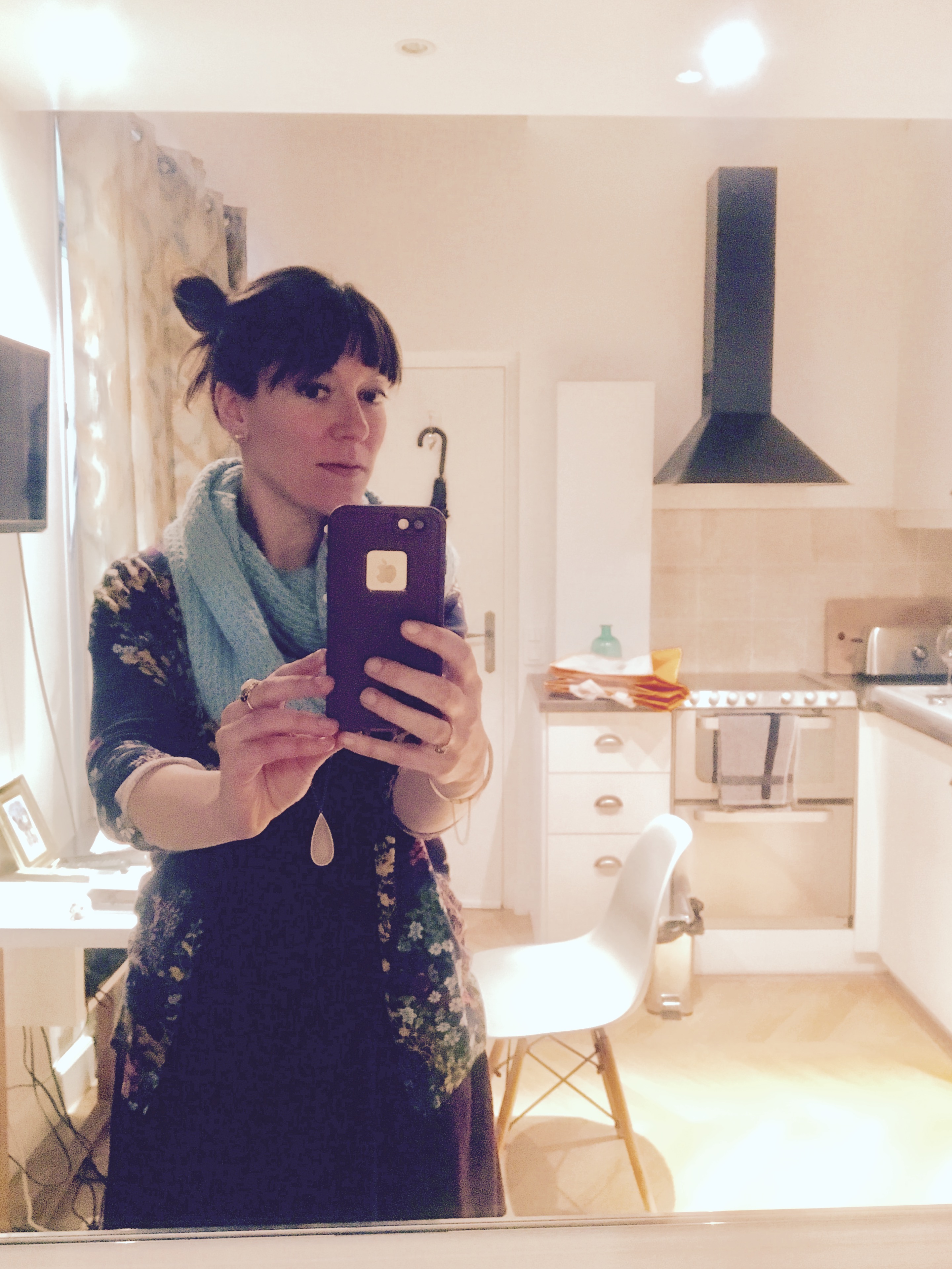
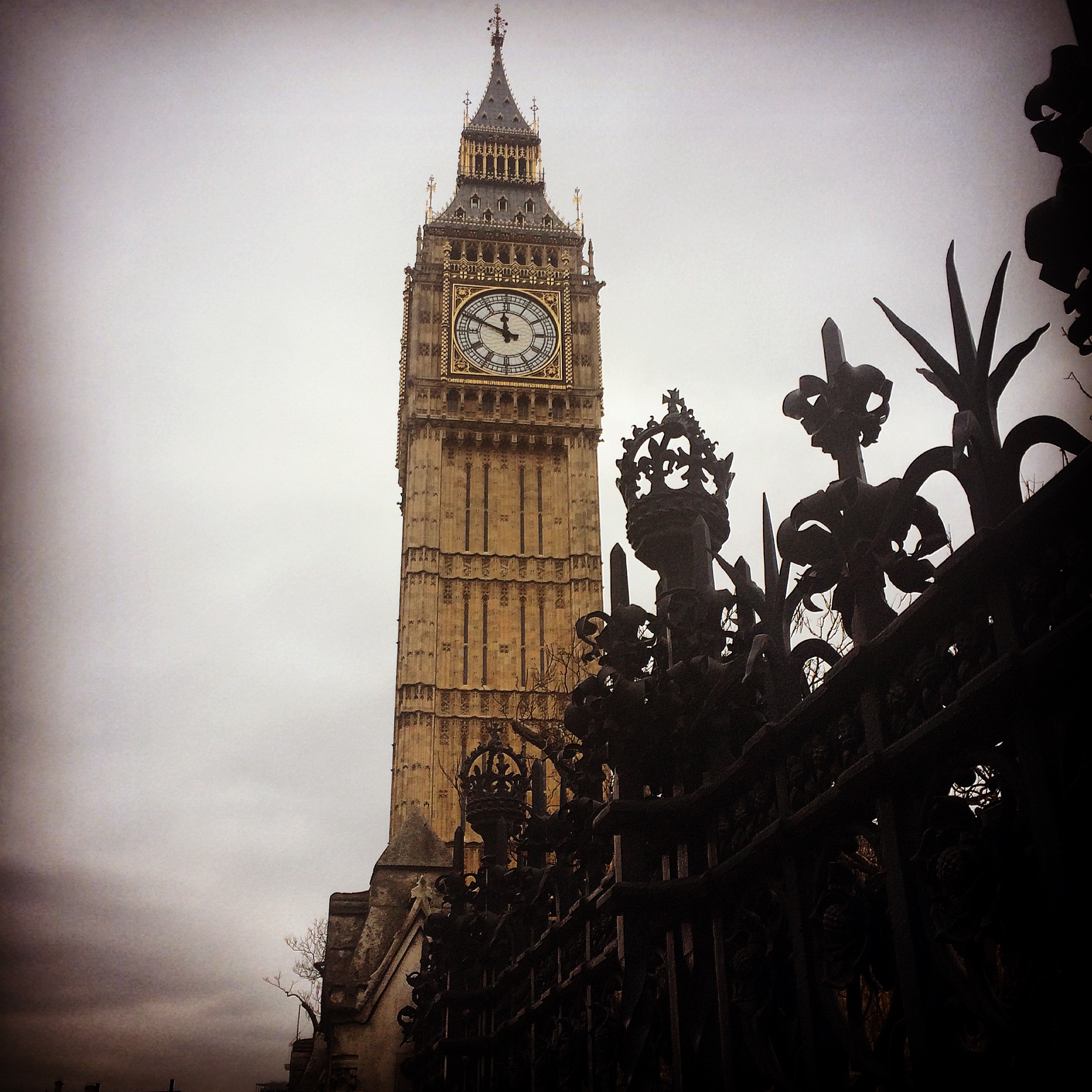
Today is my last full day in Paris. As much-anticipated voyages tend to do, this trip has gone quickly. I’m writing this dispatch from the sweet little apartment I rented in Le Marais: a small but well-appointed flat tucked away in an historic old building on Rue des Tournelles. As I sit near the window of my third-floor walkup, occasionally glancing out at the romantic cobblestone courtyard, I realize that though I’m still here, I’m already leaving. I find myself struggling to remain present and enjoy this moment, even as my mind drifts back to London, where tomorrow, my train departing Gare du Nord will take me, and then further afield, where my plane departing Heathrow will carry me back across the Atlantic, back to Los Angeles, where life is waiting.

I didn’t do nearly as much writing as I had planned on this trip, but I did do a lot of thinking. Thinking and daydreaming and exploring and meandering. All the things you’re supposed to do in Paris. I drank double espressos and delicious Bordeaux and ate decadent deserts and filled my (wine-stained) journal with pages full of what is probably mostly nonsense but might also contain a few kernels of good ideas, like the beginnings of a new one-act play, the outline of an essay, and some sketches of new scenes for War Stories.

I spent an entire day at my beloved Musée d’Orsay, taking as much time as I wanted, and realizing in the process that though I’d always considered Van Gogh to be my favorite Impressionist – owing to his textured, swirling brushstrokes – this time it was Renoir who drew me in and held me. How had I never appreciated the dreaminess of his palette, especially the blues? I sank into royals, teals, aquamarines and sapphires like some sort of soothing bath, and the warmth and light he seemed to infuse into all his work made me feel settled and safe.

It turned out that the Marais neighborhood was the perfect place for me to land. Call it a lucky guess via Airbnb. Centrally located and a mere stone’s throw from the Bastille Métro station, it is easy to get everywhere from here. And yet it still feels like a local’s spot, crammed with charming cafes and boutiques, a place where I don’t feel like I’m on constant high alert for pickpockets the same way that I do in the more heavily trafficked tourist areas.

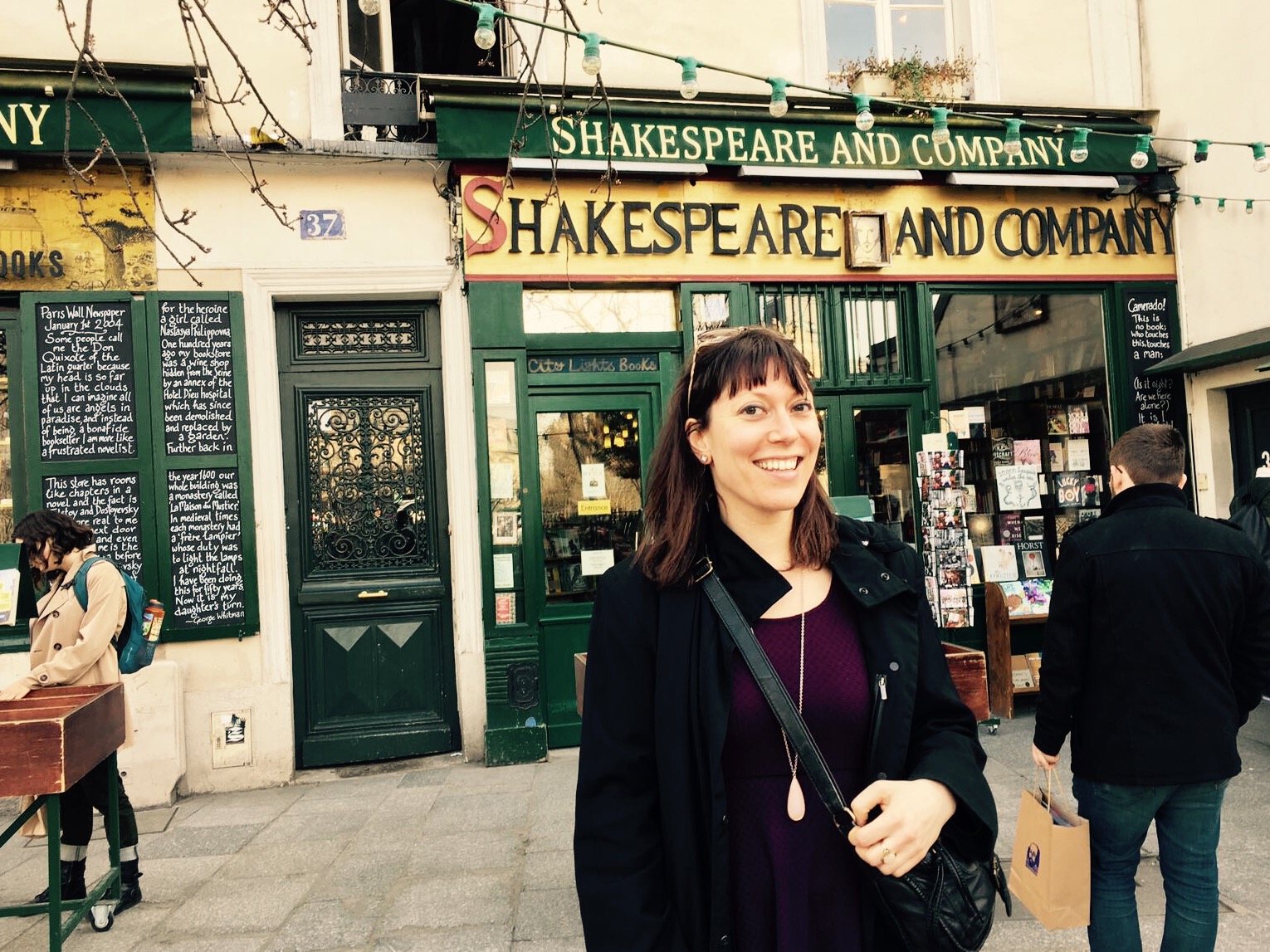
It is still early here, on this Thursday morning, so once I finish writing I plan to walk down to the Seine, cross its banks, and spend some time at a bookstore that charmed me the day after I arrived: Shakespeare and Company. I know: an English language bookstore in Paris. How gauche, right? But the truth is, its appeal is less about the fact that it carries books in my native tongue and more about the fact that it embraces a deep love of all things literary, feeling like some sort of quaint, rustic, cozy old library that I could spend hours browsing in. After all, I did come to Paris for inspiration. So, who am I to judge where that inspiration comes from?

I find myself leaving Paris just as I’m getting the hang of things here. Just as I’ve figured out the right touch on my apartment’s finicky Nespresso machine, or that the building’s stairwell has a timed light switch, so that I don’t have to climb the three flights back up to my flat in the dark. I’ve only just figured out which cafes I want to try and the fastest shortcut through the neighborhood to Place des Vosges and how to order my meals in (semi-confident) French.

And though there were many things about this much-anticipated return to Paris that I expected, there were some that I did not. Like the wonderful afternoon I spent with a new friend (introduced to me by London host), who gave me the loveliest historical tour of Le Marais. Or the buskers on my train to Tuileries who played the liveliest set of New Orleans style jazz. Or the fact that I – surprising myself – felt compelled to light a candle at the Église Saint Germain de Prés and thought about my mother and felt just a little bit better.

But even in Paris, there are reminders of what awaits me at home. While I’ve been away, I received the exciting news that a website averaging thirty million (!) unique visitors per month wants to republish one of my posts from this blog and share it with their readers. Of course – after asking them a few questions – I agreed. And I must admit, receiving that email was a good feeling; some much-needed encouragement that even in this transitory period of life, I’m on the right track.

One more day in Paris. And then – now that I’ve (finally) adjusted to the time difference – one more weekend in London that will be, blissfully, jetlag-free. And then it’s back to L.A. Back to sort out all of those pressing, challenging, exhilarating, life questions. Ready or not, here I come. That is – I mean – after just a few more days away. . .

Until next time, friends.
Almost.

“I’m here to make a donation.”

I had been feeling confident on the way over. Good, even. I’d secured rock star parking (with money still on the meter!) a block away on Las Palmas. Walking to the museum, I practically glided down Hollywood Boulevard, effortlessly dodging gawking tourists, street performers and hustlers shoving leaflets in my face. No, I don’t want a map to the stars’ homes, thank you very much. I live here.

But as I approached the front desk, approached the woman with curly hair framing an inquisitive face, my heart rate sped up. I swallowed hard. There was something unnerving in those gentle, wide set blue eyes looking back at me. It was recognition. Right away, I knew: she’d seen this story countless times before.

“Sure,” she answered, smoothly. “Did you complete the form on our website?”

“Yes.”

“And you signed it?”

“Yes. It’s right here.”

I handed her a white envelope, which she opened, scanned the contents, and then carefully replaced. “Great,” she said, satisfied that everything was in order. “And you have the object?”

“Yes.” I handed her a paper bag, watching, waiting expectantly, as she peered inside.

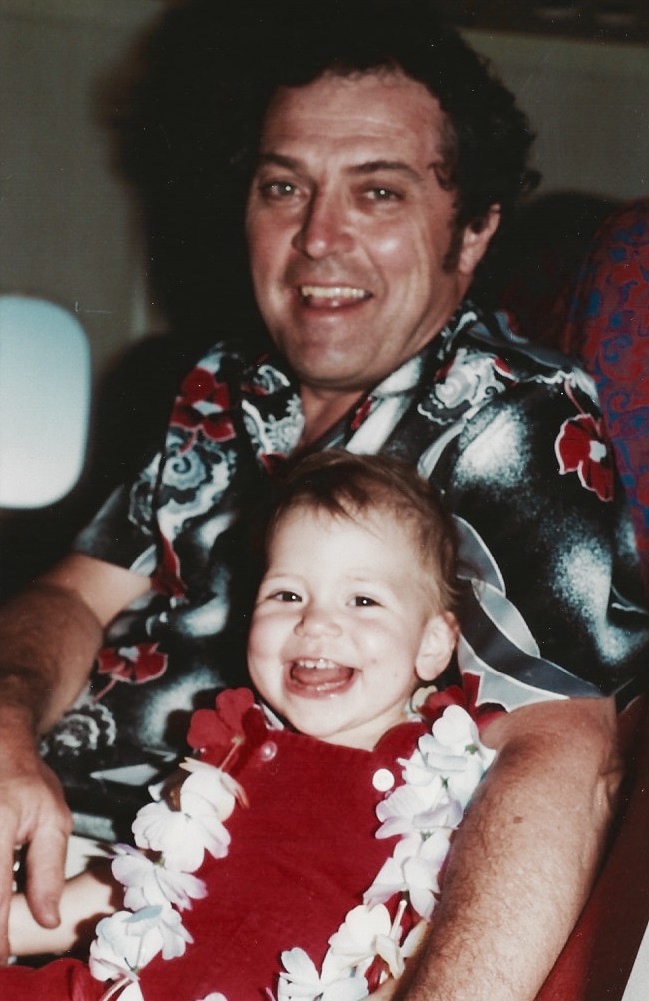
dad-hawaii-plane

The first time I’d visited the Museum of Broken Relationships, the monument to love and loss located on Los Angeles’ famed Hollywood Boulevard, I did so out of curiosity. I was doing research for a new draft of my play War Stories, about the intersecting love lives of four dreamers in Los Angeles, and writing an article about the museum for my friend Tammin’s blog, Bottle + Heels. On that visit, in the waning days of summer, life and love were full of promise, and I was – dare I say it –  happy. As I wandered the open, light-filled gallery, taking in the sad tales of woe, I felt invincible. “No way,” I thought, reading each story, shaking my head. “This is not how my story is going to end.”

Of course, I should have known better. I should have paid attention to the creeping doubt that was already snaking its way through the corners of my mind. And now here I was, months later, doing something I never thought I’d do: contributing my own sad story to the archives.

“Can I ask you,” I inquired, leaning in confidentially, lowering my voice, “Will the museum notify me when my object goes on display?”

The woman shook her head. “No. For the purpose of anonymity, we can’t do that.” “But,” she added, leaning toward me as though we were sharing a secret, “Any time you want to come here, you can just go to the front desk, describe the object, and someone will be able to tell you yes, or no.”

Business done, I wandered the gallery, aimlessly, absorbing the stories contained within. And as they often do in February, as I approach the anniversary of his death, my thoughts drifted toward my father. “Pollyanna,” he used to say, the nickname referring to the naïve optimism he teased me relentlessly for as a child, “The world is a cruel place, darling. The world will break your heart.”

Back then, I’d laughed it off. “Oh, Dad,” I’d say, rolling my eyes, chalking it up to my Irish father’s penchant for melodrama (to this day, I remain convinced that the Irish invented heartbreak). Little did I know how right he’d turn out to be. The world is a cruel place, and I have found it to be exceedingly cruel these last few years, rife with death and disappointment.

broken-ships-filtered

But the thing my father didn’t say, the thing he didn’t warn me about, was that for us Pollyannas of the world, there’s a certain type of heartbreak that hurts more than all the others. It’s the kind where you almost have something, and then you watch it slip away, crumbling to dust in your hands. As an unflagging optimist, hope is the drug that I live on. And when things fall apart, hope is the drug that, time and time again, threatens to kill me.

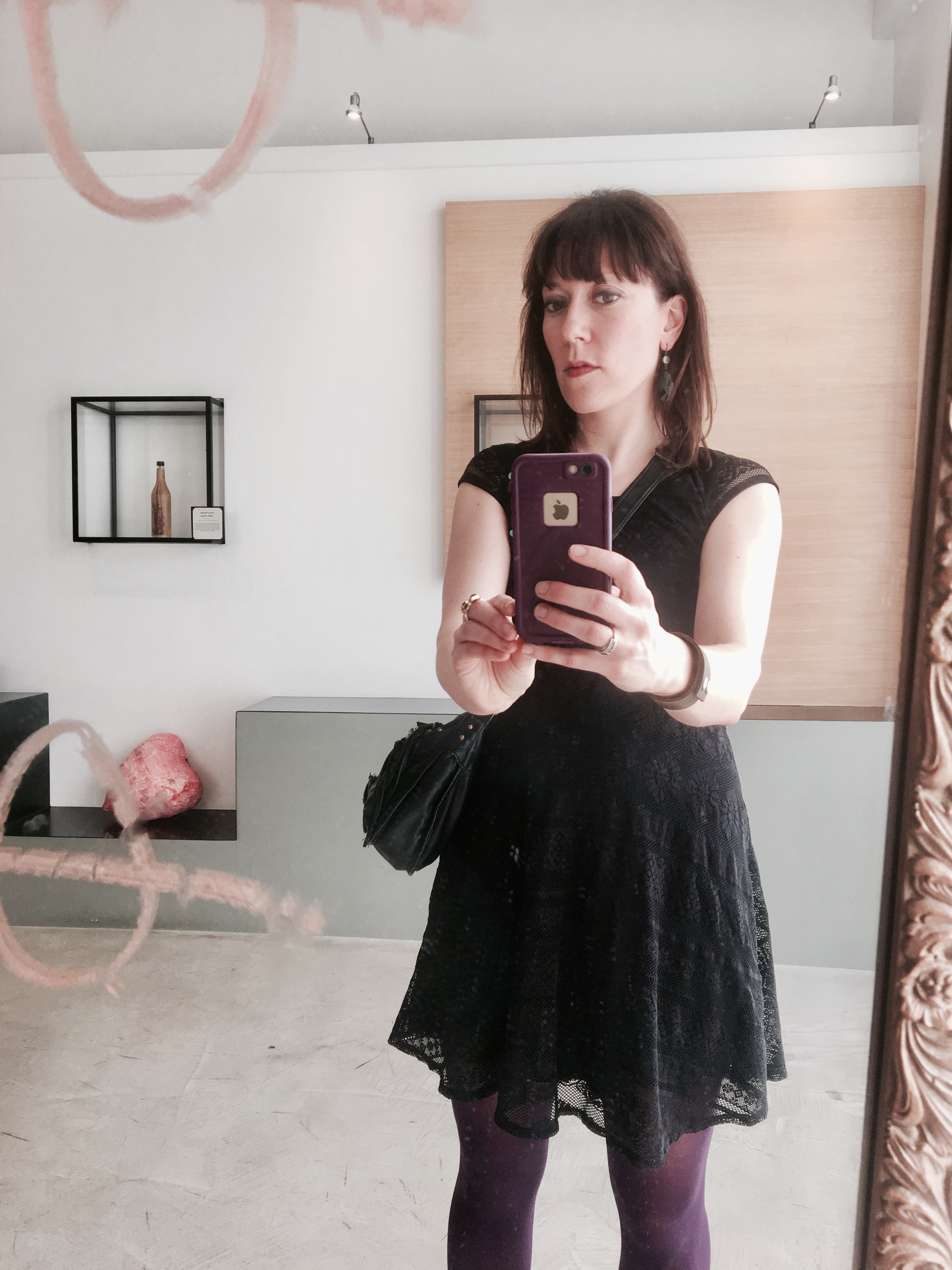
It was time to go. But on my way toward the exit, I paused in front of a floor length antique mirror, taking a photo of my reflection in the glass. And as I did so, I felt curious eyes upon me, watching me. I looked up to see two women, one of them behind a camera. I had noticed them earlier, moving through the museum, photographing its objects. I smiled, returned to what I was doing, thinking little of it. Because in Los Angeles, everywhere you go, someone is always filming something.

But one of the women approached me. “Excuse me,” she said, with a thick French accent.  “You speak Anglais? Ou Français?”

“Anglais,” I replied, feeling immediately apologetic. “Sorry, it’s been a long time since I’ve taken a French class.”

She smiled. “Ça va.” “We are making a documentary for French television, and I was wondering if I could film you?”

“Really?” I stammered.

“Yes.”

“What do you want me to do?”

“Just what you were doing, photographing yourself in the mirror. It was beautiful. You noticed us watching you, yes?”

“Yes,” I admitted, feeling the color rising in my face.

“So, it’s OK?” If we film you?”

Oh, what in the hell, I thought.

“Sure,” I replied.

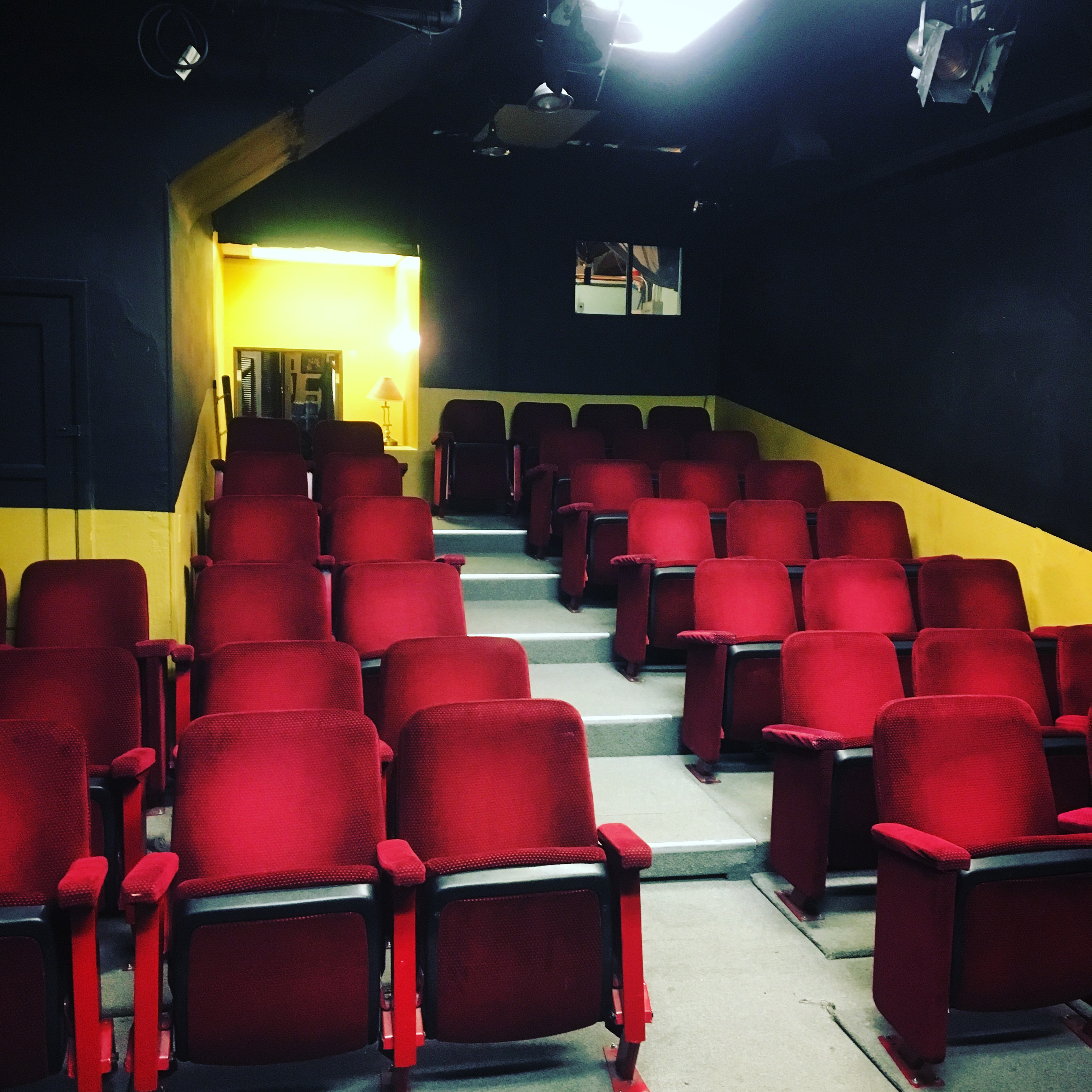
theater-seats

Later, still not ready to go home, I ducked into the Pig ‘N Whistle – a historic old Hollywood bar next to the Egyptian Theatre – found a darkened corner booth, and ordered a martini. Scrolling through the photos on my phone, another memory came flooding back. It was last summer, during that same happier time, when I’d visited the psychic medium Fleur in an attempt to communicate with the spirts of my dead parents. Fleur and I spent most of our session focused on my mother, but toward the end, my father showed up, cheerful, singing his favorite Irish songs.

“You went to Europe, after your father died?” Fleur asked me, her closed eyes fluttering.

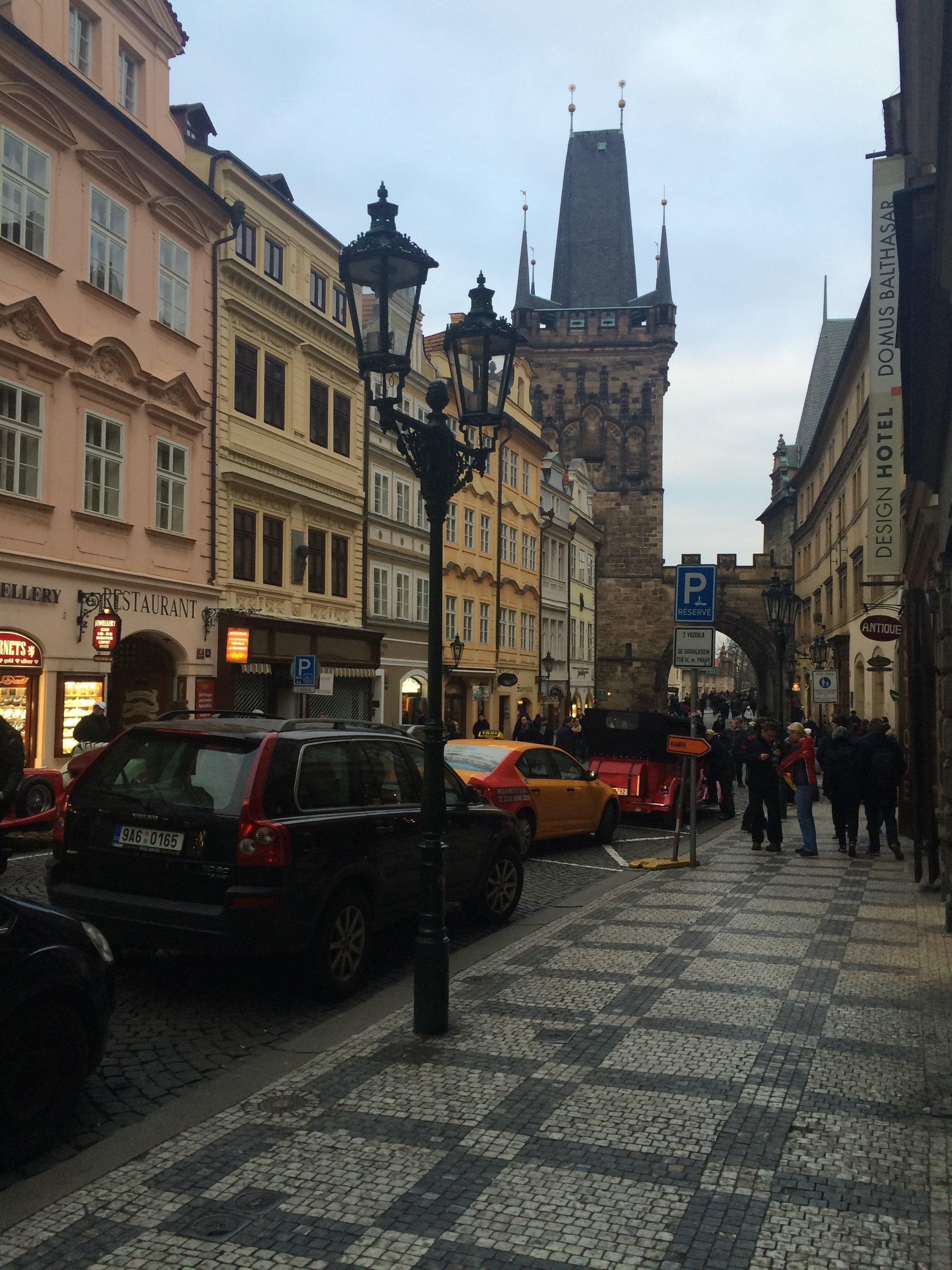
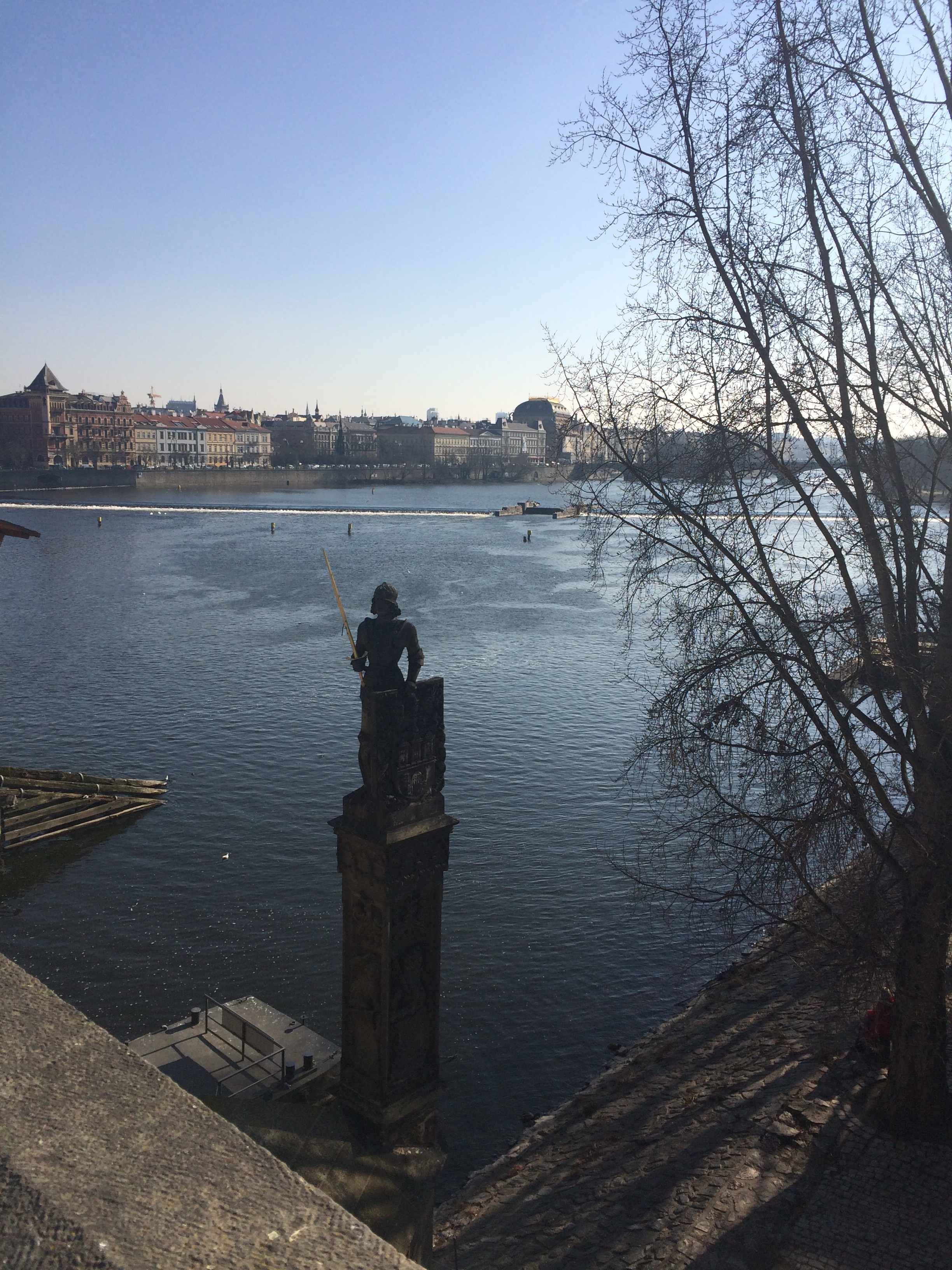
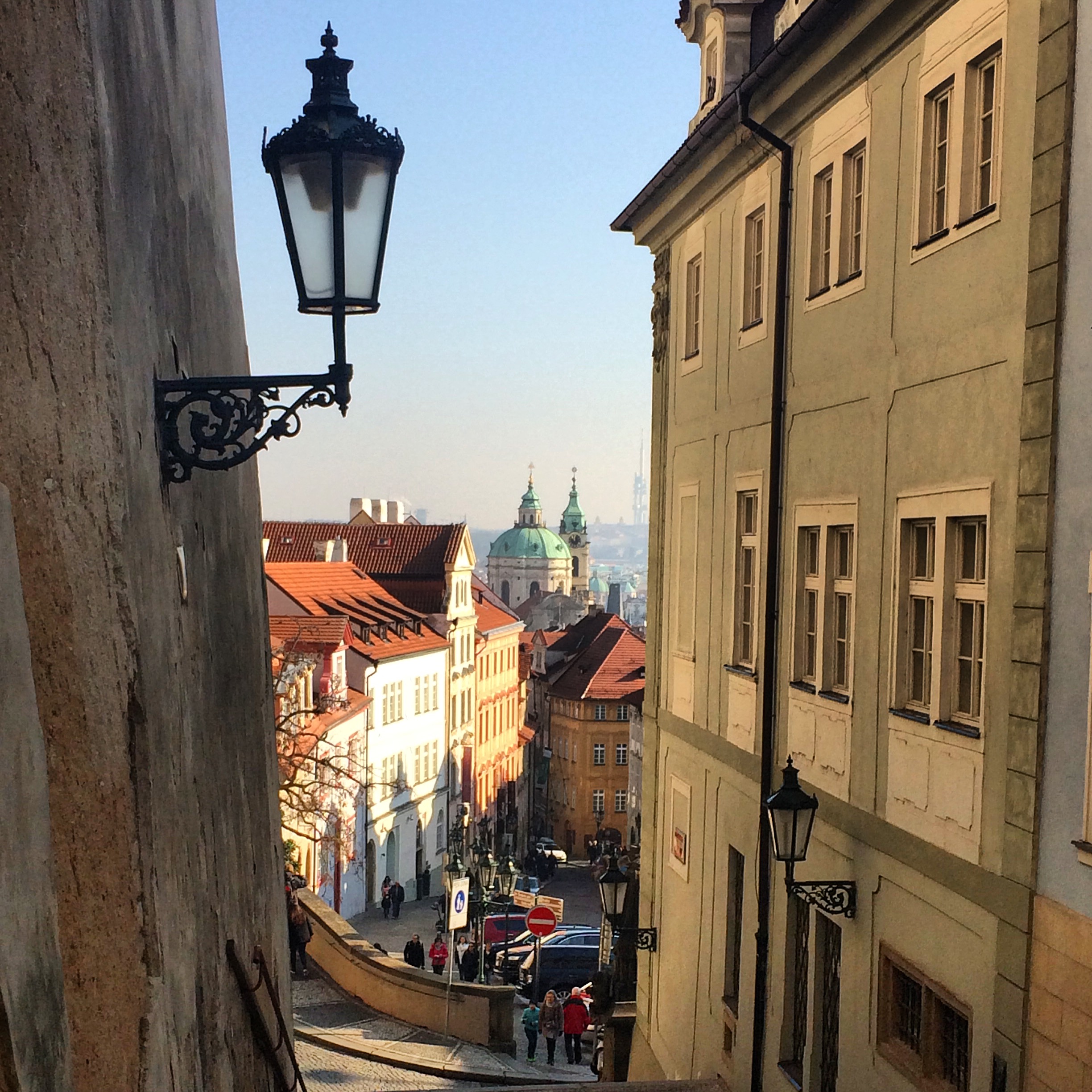
“Yes,” I replied. “But not right after. Two years after, on the second anniversary of his death, on Valentine’s Day. I went to Prague.”

“Yes.” She smiled. “He went with you. You felt him there, didn’t you?”

“I did.” It was true, my father had been everywhere on that trip.

“He wants me to tell you, next time, he wants you to go to Paris.”

Paris. Those French filmmakers in the museum, days before Valentine’s Day, days before marking another anniversary of my father’s death. And me: uncertain and adrift, wondering where to turn, what to do next.

Could it be a sign? Do I even believe in signs? In truth, now is the worst possible time for me to go running off to Europe. I’m running low on money. I need to go back to work. And I need to make some big decisions about my life. Grown up decisions, which, at thirty-six, it’s high time I started making.

And yet. In addition to the story that I left behind at the museum, there’s another “almost” failure that’s been haunting me of late. It’s about a review I received for my play War Stories, and its current Los Angeles production. The reviewer, while largely complimentary, said something about the play that stung me: “I hope this is not a final version,” he wrote, referring to the fact that the script, while good, still needs some reworking. And the reason his critique stung me so much is because I agree with it. As proud as I am of the play, I know that it can be better. I know it’s not finished. I’m just not sure how to fix it.

And so, with that in mind, I made a decision. I decided that I would take one last trip. I would go to Paris, after all, as soon as I could, as soon as this production of War Stories has closed. And on the banks of the Seine, in the hallways of Musée D’Orsay, at a table in a café in St. Germain, I will work on my script. I will figure out the parts that aren’t working, and I will fix them.

Because this is one “almost” that doesn’t have to be a failure. Unlike the story I left behind at the museum, this story is something I get to change. In this story – my story – I’m the one who decides how it ends.

Until next time, friends.
paris

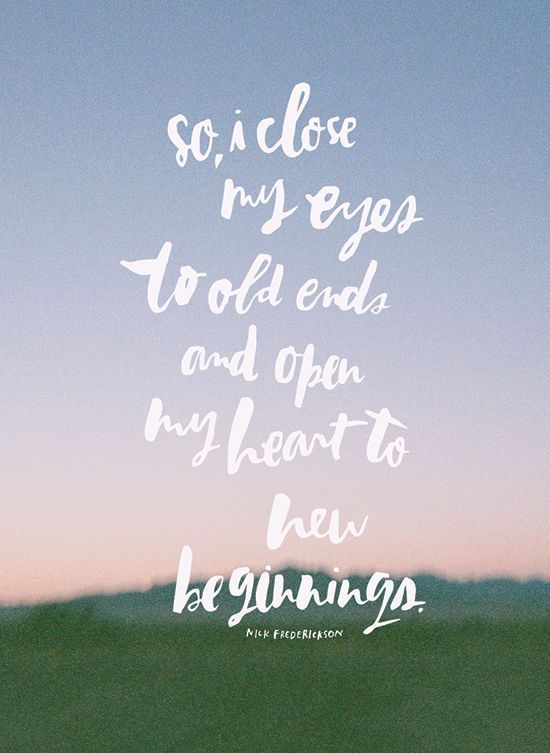
New.

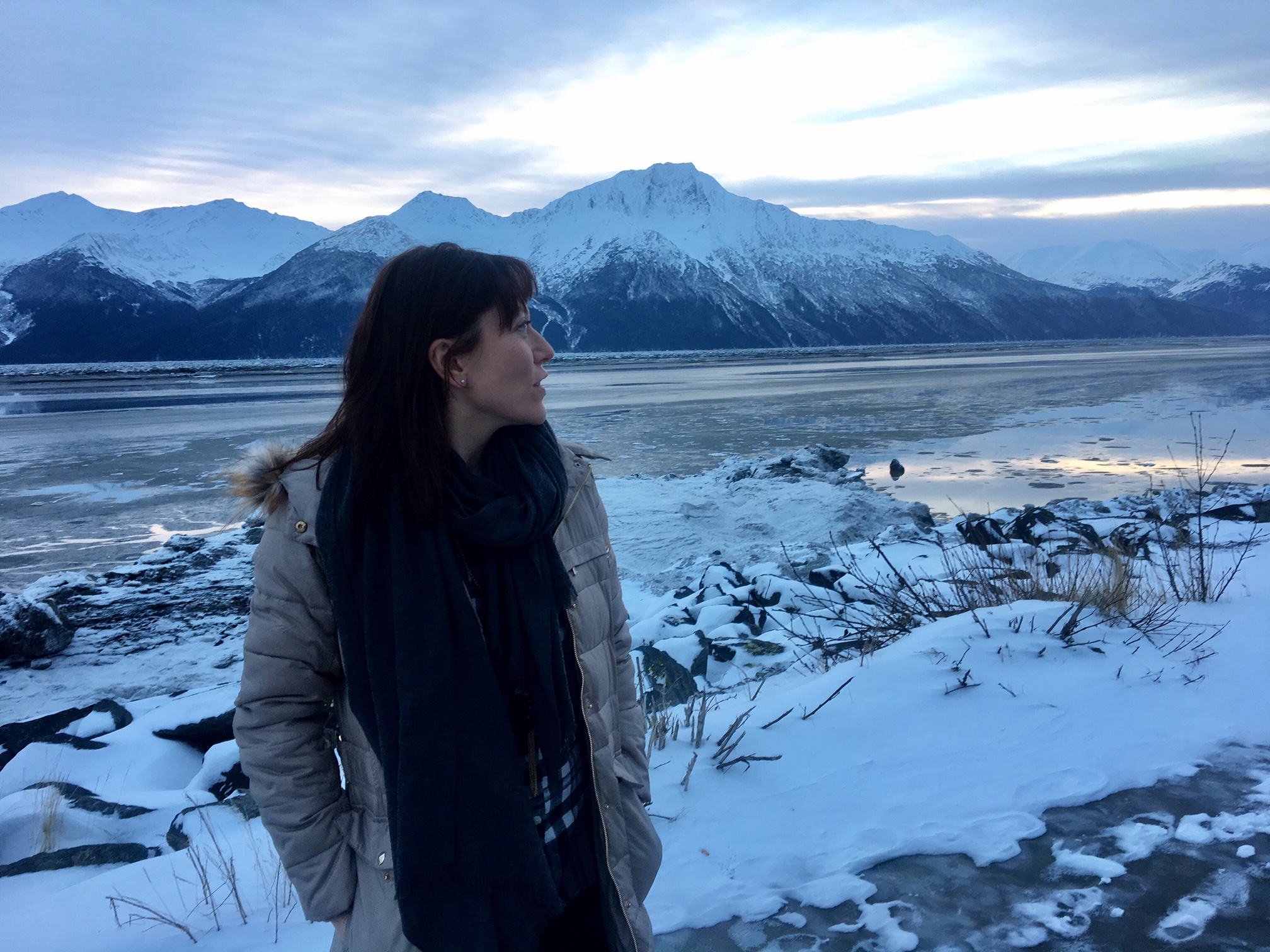
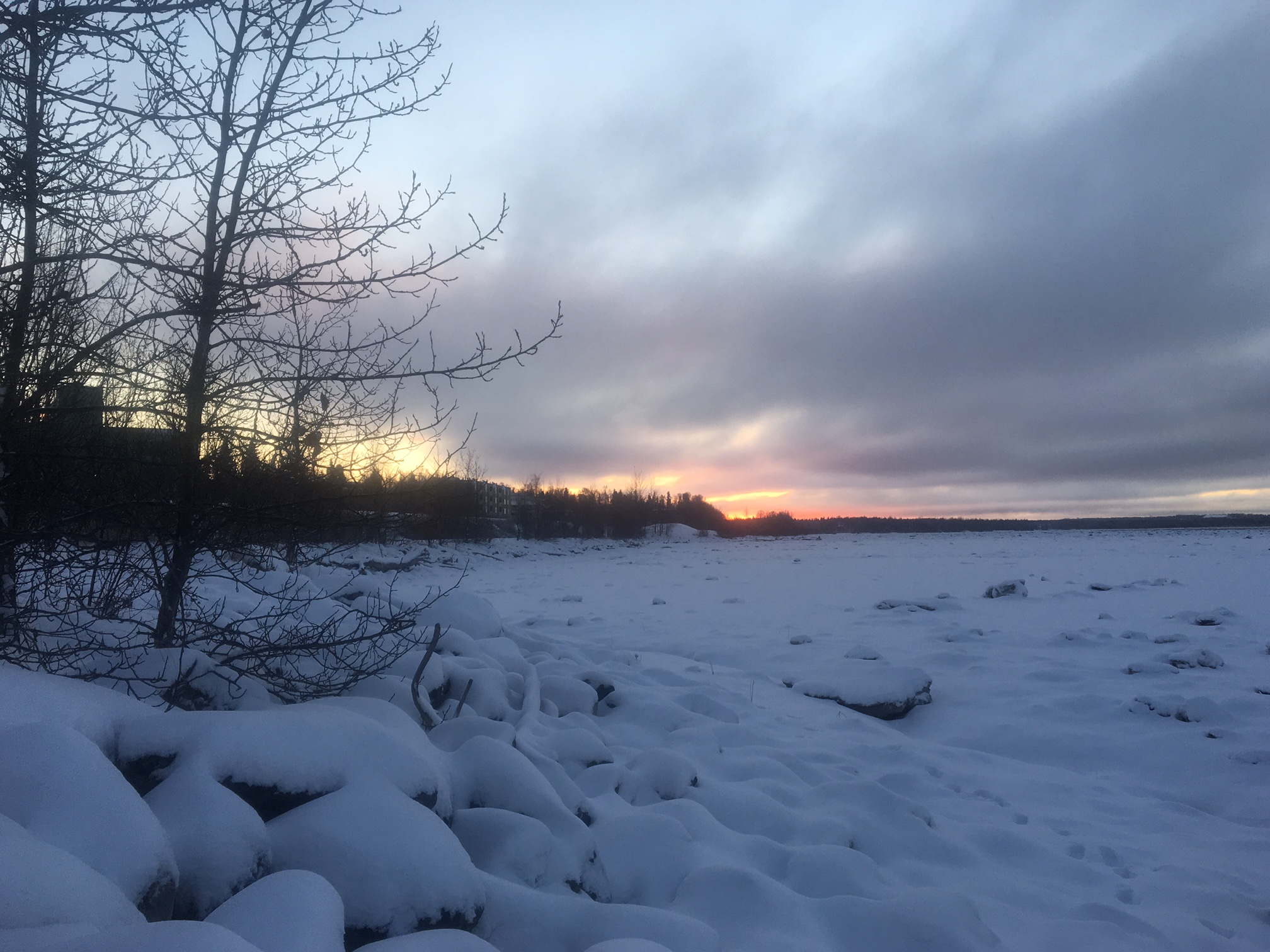
It’s just before eight o’clock in the morning, Anchorage time, on the last day of 2016.  It’s dark as night as I write this; the sun won’t rise for at least another two hours.  Winter in Alaska means limited daylight – today, there are only about six hours between sunrise and sunset – and I can’t lie:  the darkness lends a certain heaviness to everything.  It’s strangely disorienting to spend so many waking hours in the black, and the temptation to huddle indoors where it’s light (and warm) is real.  But it’s also incredibly beautiful here.  Anchorage sits at the base of the Chugach Mountains, with their majestic, snowcapped peaks towering above the city.  This time of year, Christmas lights twinkle against freshly fallen snow, and even the frozen, somewhat ominous ice floes on Cook Inlet appear to sparkle as though they’re made of magic.

fullsizerender

I’m not sure what 2017 will bring – none of us can know what the future holds – but in as much as I can control my own destiny, I’ve been making plans for some big life changes in the year ahead.  And so, it felt sort of fitting to end 2016 in the place where I grew up.  I like to think of it as going back in order to go forward.

For a lot of people, 2016 was a difficult year.  It was for me, too.  But if I’m honest, despite its challenges, it was still one of the best I’ve had in a while.  It was the first year since 2011 that I can honestly say ended more hopeful than it began.  It was the first year since losing so many people that I love, that I felt something like true healing beginning to take hold.  And it was the first year since everything spun so violently out of control that I slipped back into the driver’s seat, grabbed the steering wheel, and started living my life on purpose, again.

2016 was not a perfect year.  But as I reflect upon what’s past and where I’d like to go next, I’m proud of myself for one big reason:  this past year, I did a hell of a lot of things that scared me.  I wrote a play that was personal and came from my heart and I put it out into the world.  I traveled alone to one of the largest cities on earth, an unfamiliar maze where I didn’t know my way around and didn’t speak the language.  I boarded a bus to Nevada with a whole bunch of people I didn’t know, to spend two days knocking on strangers’ doors, asking them to vote for a political candidate that I believed in.  And – perhaps the biggest thing – I spoke up for myself, more than once, and asked for what I wanted.

img_0345

As it turns out, there’s magic to be found when you push fear aside and take a leap.  My play received excellent reviews at the biggest theatre festival on the west coast of the United States.  I met one of my heroes (Don’t judge me.  Or do, I don’t care.), Seattle Seahawks quarterback Russell Wilson, on an airplane.  I visited a psychic medium and found – for the first time in four years – some peace around my mother’s death.  And through travel, new experiences and some truly lovely people who came into my life, I rediscovered a sense of joy and wonder that I feared I had lost forever.

So, as I think about what I want 2017 to look like, I have only one New Year’s resolution:  to say yes.  Say yes to everything I want to ask for, but I’m afraid to.  Say yes to every good thing that I’m not sure that I deserve.  Say yes to every challenge I’m not sure I’m ready for, every risk I’m not sure I’m brave enough for.  Just say yes, and trust that whatever comes next will work itself out.

Happy New Year, friends.

Until next time,

Sarah

27a6ee3878a7f3d19b5114e98f20b757


Valle de Bravo.

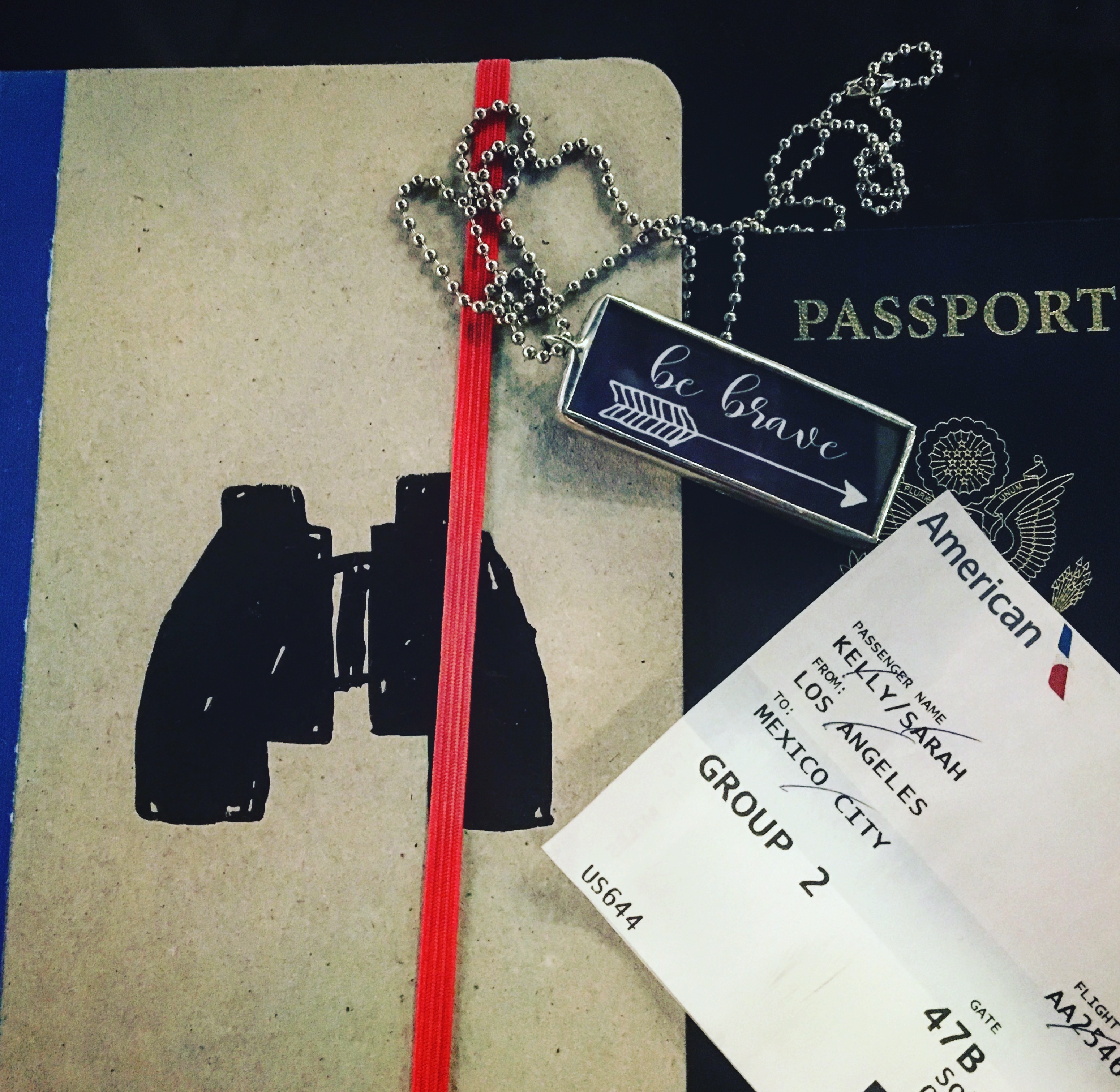
My driver, Jose Luis, laid on his horn, adding another angry beep to the chorus of honking as his black SUV inched along the gridlocked street toward the bus station. Finally, throwing up his hands in exasperation, he turned to me. “La estación de autobuses está aquí,” he said. I looked out the window in the direction he was pointing and saw a narrow gap between two chain link fences, and in the distance beyond it, a row of buses. Even though my knowledge of Spanish was virtually non-existent, I understood what he meant: in this traffic, this was as close as we were going to get.

“Get out here?” I asked. “La estación está aquí,” he repeated, looking at me like the dumb American I felt like. I didn’t need him to tell me again. I grabbed my bag and jumped out of the car, just before the vehicles that had been at a standstill in front of us began to move. “Hasta luego,” he called, delighted – I was sure – to be rid of me.

passport-explorer-journal

A half an hour later, after having hungrily scarfed down two chicken tacos my twenty-one-year-old niece, Nora, ordered for me from a street vendor, I settled into my seat in the back of a commuter bus and proceeded to recount the story of that morning’s harrowing Uber ride. Jose Luis, obviously confused as to why a Gringa like me would want to leave her fancy hotel in Polanco for the crowded Metro Observatorio bus station, called a friend for help. “English,” he insisted, thrusting the phone into my hand. But “Becky,” the woman on the other line, was not only unhelpful, she asked me such strangely personal questions that I began to wonder if this whole thing was a shakedown. And as the SUV pushed further into the sprawling, unfamiliar city, I alternated between frantically texting Nora and wondering if I should bail out of the car.

Nora, on the other hand, seemed completely unfazed by the series of events I described. “If you were looking for a relaxing vacation,” she quipped, in between making me a cheat sheet of common words and phrases she titled ‘Spanish for Dummies,’ “You came to the wrong place.”

No kidding, I thought. I had been in the Ciudad de Mexico for less than twenty-four hours and already I had wondered numerous times what I had gotten myself into. I wondered it after awkwardly stumbling through immigration and receiving a stern scolding from the customs agent for filling out my paperwork incorrectly. I wondered it after fending off a strange man at the airport who offered to “help” me with my luggage. I wondered it after I realized that my naïve (and lazy) assumption that traveling to a global, world city meant that everyone would speak English was acutely incorrect. And I wondered it the night before, when Nora casually informed me over dinner that a student from her university had just been kidnapped, shortly before my arrival.

And now here I was, wondering it again, as the city faded from view and our bus plunged deeper and deeper into the Mexican countryside. As the scenery grew more remote, my iPhone reported back that there was “No Service,” and I switched it into airplane mode to preserve the battery, silently cursing myself for leaving the charger behind at my hotel.

fullsizerender3

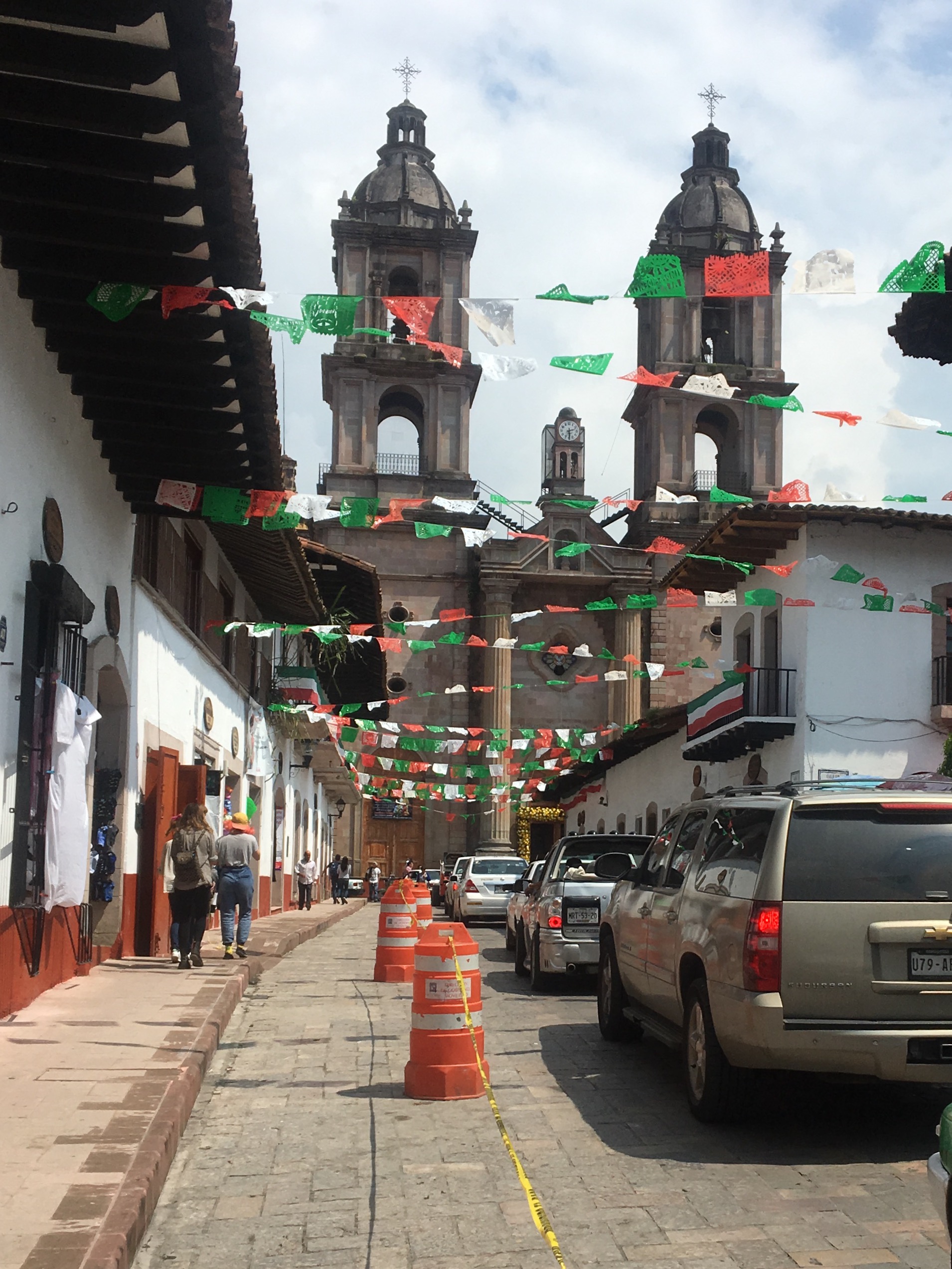
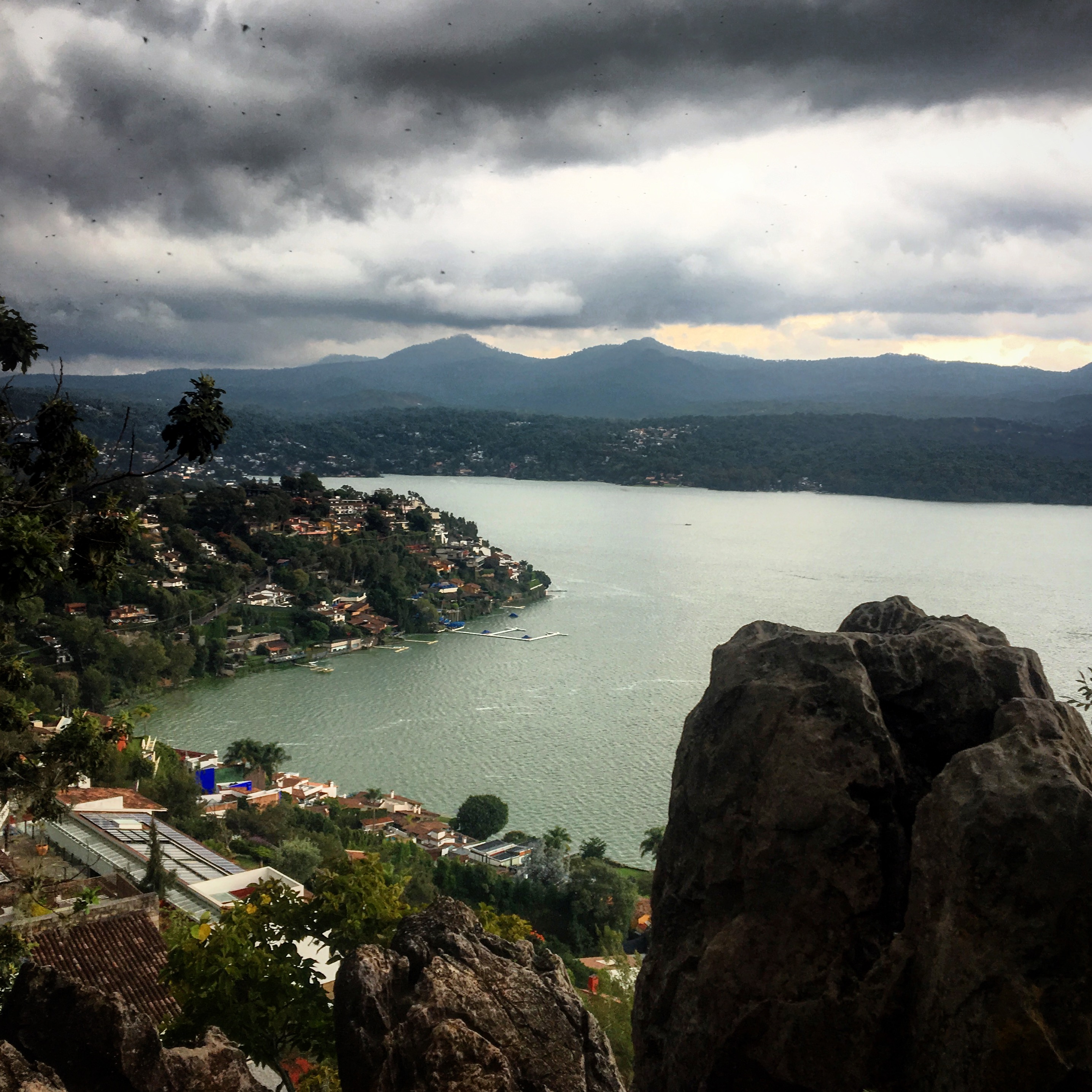
About two hours after departing the Metro Observatorio, we descended into the pueblo of Valle de Bravo, a picturesque town on the shore of Lake Avándaro. As the bus navigated through curving cobblestone streets, there was no denying the charm and beauty of the remote village. And as we pulled into the tiny depot and climbed out of the bus, there was also no denying that myself, Nora, and Nora’s two college friends – Americans and Canadians, all – were definitely, obviously, not from here.

There is a story I like to tell myself. The story is that I’m brave and fearless and a real badass. But that story is, sadly, untrue. What is actually true is that I’m afraid of everything, all of the time. More often than not, when I do something that other people consider to be brave, it’s only because I jump into it quickly, without thinking about the consequences, before my rational brain has a chance to talk me out of it.

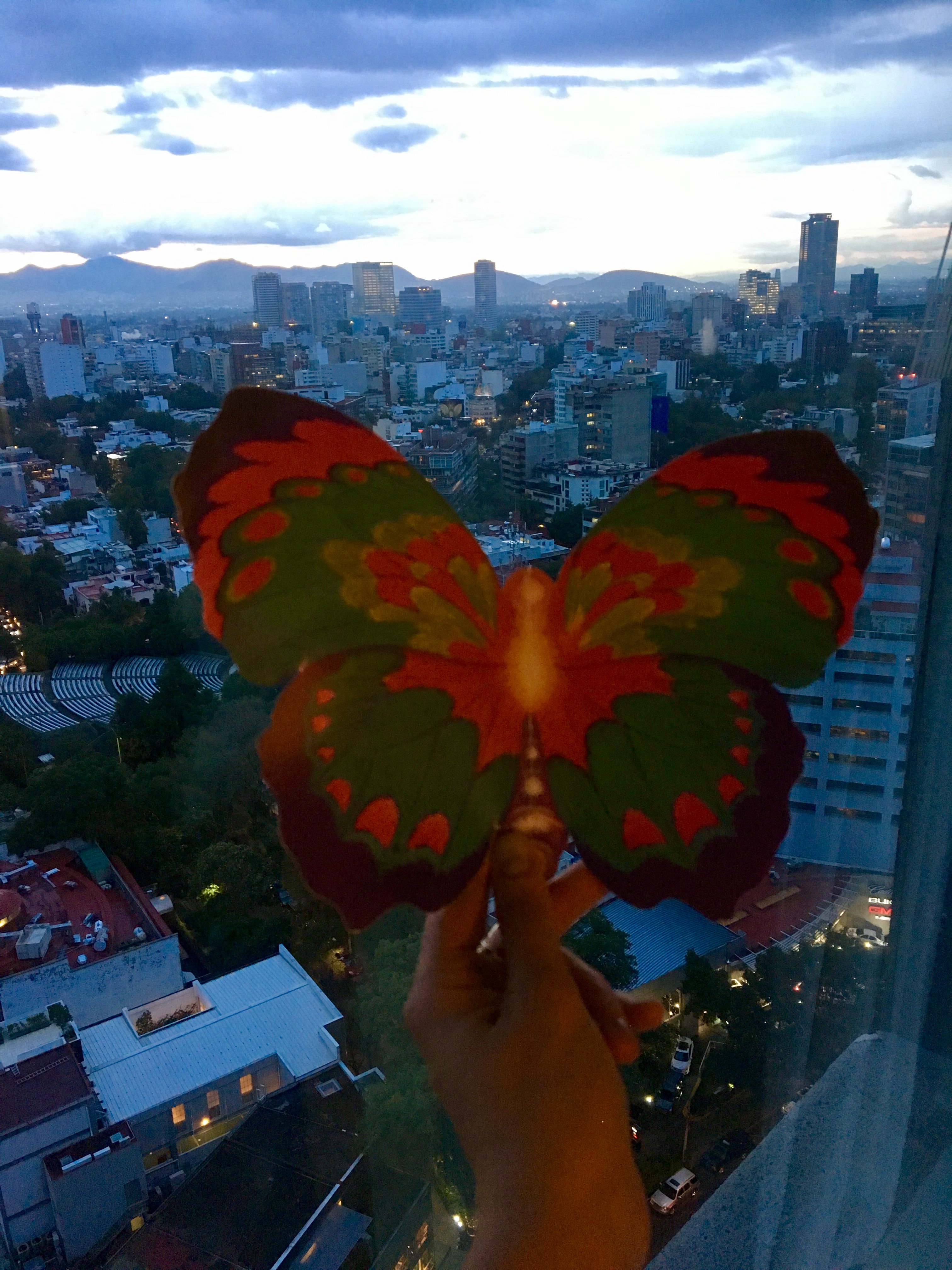
Mexico City was like that. If I had taken the time to do my research, or had considered the size and scope of the city, with its population of twenty-two million (!!!) people, or had heeded the concerns voiced by friends and family about reports of foreigners being kidnapped, and drug trafficking, and police corruption, I probably never would have gone there. But all I really thought about was that my beloved niece was studying there on exchange from her university in Montreal, and visiting her sounded like a fun thing to do.

And now that I was in Mexico, I was along for the ride, and my travel companions to Valle de Bravo – as it turned out – were much braver than I was. Which I suppose is how I found myself, in spite of my tremendous fear of heights, saying yes when asked if I wanted to see “the best view in town.” An hour into a hike that was supposed to take “twenty minutes,” our foursome arrived at a small house at the base of a mountain, and was greeted by a man charging five pesos to climb to the summit of La Peña. So we paid him, and continued to climb stone steps along a densely forested pathway, ascending further and further, my body covered in sweat from the humidity and the exertion, my legs shaking with every view of Lake Avándaro, each one higher than the last.

img_9171

I stopped just below the summit, knowing my limits, knowing that the open-air plateau high above the sea would trigger in me a near paralysis-inducing vertigo. So I hung back and sheltered in a cave just below the top, while the other girls clambered over boulders to reach La Peña’s highest point. And while I waited, keeping a careful eye on a giant spider spinning a web nearby, minutes feeling like hours, I suddenly heard a loud “Boom!” and looked up nervously toward the increasingly darkening sky. “Boom!” There it was again. There was no doubt about it: that was thunder, which meant that lightning couldn’t be far behind.

“Guys?” I called. I checked my phone: 6:00 PM. The last bus back to Mexico City left in one hour, but at this point, we had more important things to worry about. “Guys,” I called again, unsure if they could even hear me. “We really need to go.”

And go we did, a few minutes later, trudging down the hill as fast as our legs could carry us. And soon the lighting flashed and the rain came down in sheets, soaking us to the skin. We found shelter at a fruit stand at the base of the mountain, huddling beneath an umbrella while we waited for a taxi. And though taxis were strictly off limits for us foreign girls in Mexico City – because of, you know, kidnapping – we decided it would be OK here because we were in Valle de Bravo and there were four of us, and besides, we didn’t have a choice in the matter anyway, not if we wanted to make it back to the station in time to catch the last bus back to the city.

Seventy two hours after that rain storm in Valle de Bravo, feeling – there’s no other word for it – elated to be back in Los Angeles, I wheeled my suitcase up to a customs agent at LAX’s Tom Bradley International terminal and handed him my passport.

“And where are you coming from?” he asked.

“Mexico City,” I replied, surprising myself at the pride I heard coming through my voice.

“Vacation?”

“Yeah.”

“Welcome home,” he said, smiling, handing me back my passport. And I returned his smile with a genuine smile of my own. Because I was happy. Happy to be home, of course, but also happy that I taken the trip in the first place.

mexico-butterfly

The scary moments during my trip to Mexico didn’t end after that day in Valle de Bravo. In fact, I could write an entire blog post about the madness of the metro: the crush of people and the constant pushing and shoving, the women-only subway cars (implemented for safety), the machine gun-toting police officers, the Saturday afternoon encounter with a man who was high as a kite, lurching and leering, the young Mexican girl – who couldn’t have been older than twelve – who warned Nora and I to “Be careful,” because the subway stop we were heading to was “Very dangerous.”

So yes, there were scary moments. But there were also great ones. And if I hadn’t gone to Mexico City, I never would have experienced them. I never would have marveled at the stunning turquoise waters of Lake Avándaro from high above Valle de Bravo. I never would have absorbed the art and culture and history of a nearly three-hour mural tour through the city center led by Nora’s employer, Street Art Chilango. I never would have met David, the charming artisan at Coyoacán market who sold me a beautiful leather journal made by his own hands, and who, when Nora told him that I was a writer, insisted that I write something for him (and I did!).

And most importantly, if I hadn’t gone to Mexico City, I never would have spent four amazing days with my niece. I never would have witnessed, first hand, the way that she’s thriving, both in her life and in her art, and the incredible woman she is becoming as she is immersing herself in a language and a culture that are both entirely new.

The story that I like to tell myself is that I’m a badass. The truth is, I’m not. I’m afraid of almost everything, almost all of the time. And there were many moments during my visit to Mexico City where I had a reason to be afraid. But I also had a reason to go there. Because life is worth experiencing. And adventures are worth having. And without a little fear, can we ever, truly, have either one?

Until next time, friends.

img_9247

Wanderlust.

“Why don’t more people live on Maui?”

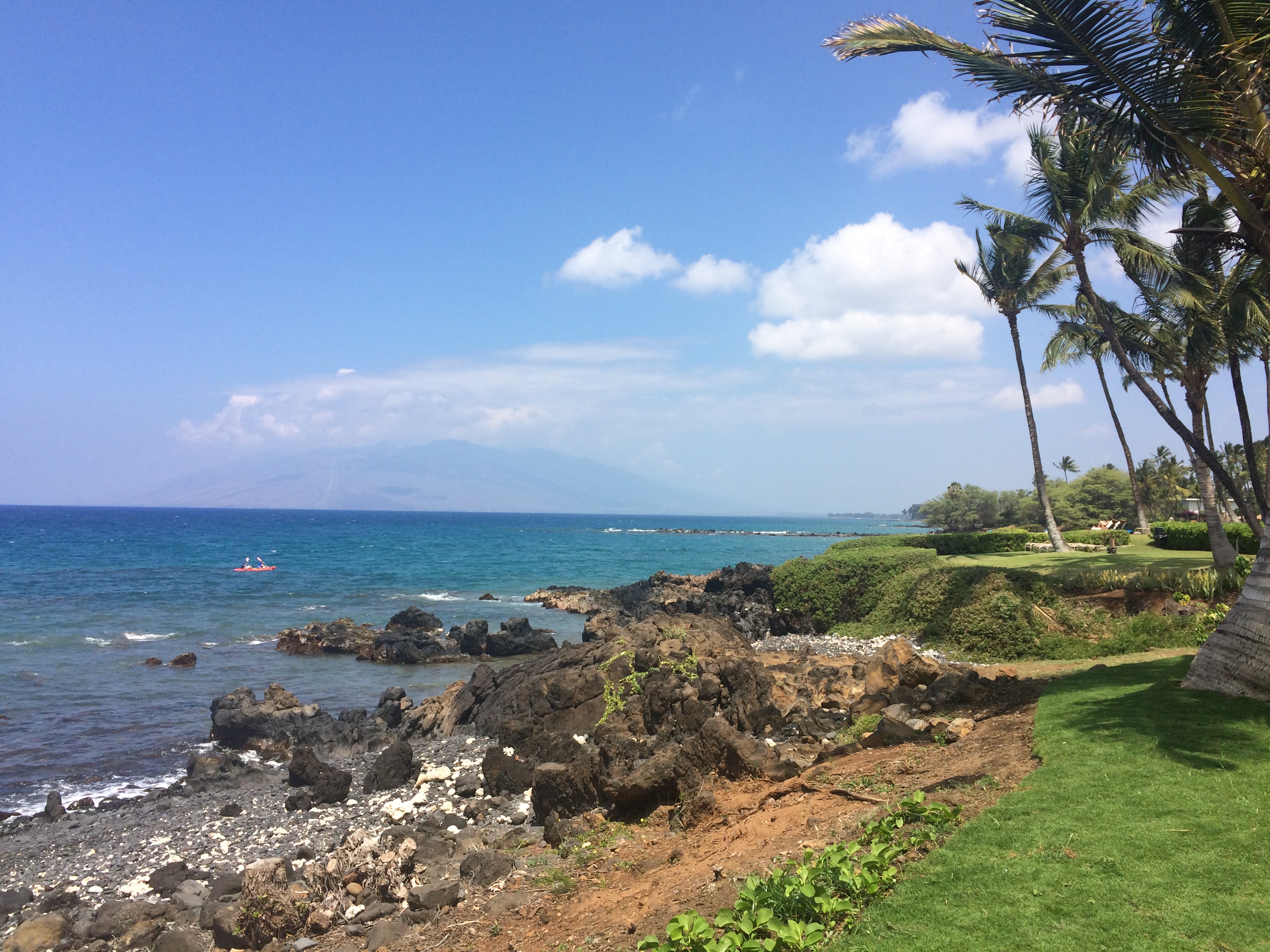
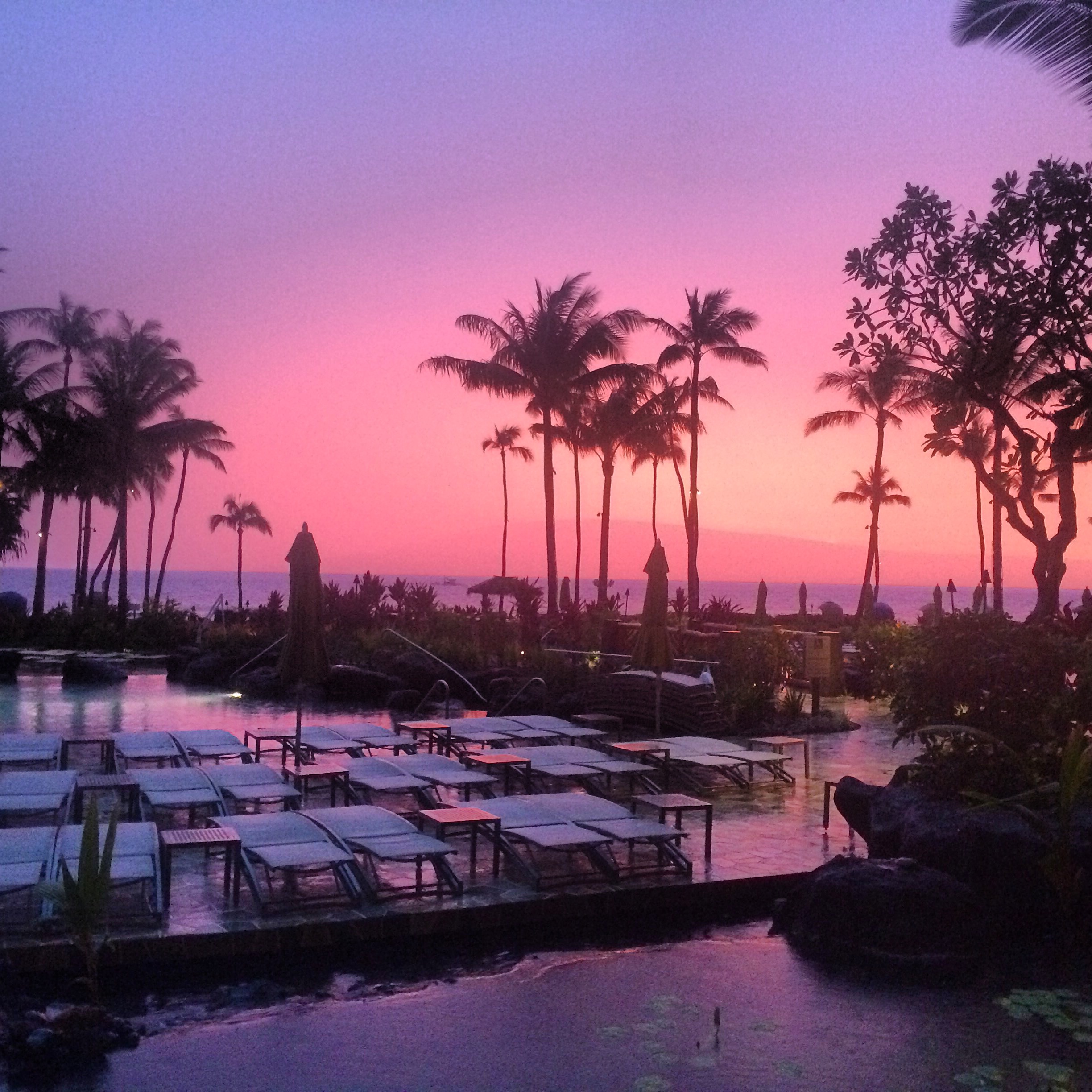
My brother-in-law poses this question to my sister and I as we sit, sipping Mai Tais, on the patio of an oceanfront bar in Kihei. Our faces pointed toward the Pacific, we admire the soft sandy beach, the sunlight glinting on topaz water, the crisscrossing cluster of palm trees extending into a clear blue sky that’s increasingly tinged with fuchsia and tangerine as the late afternoon presses on toward sunset. In the distance, someone spots a Humpback whale and restaurant patrons crane their necks to catch a glimpse of a tail fin or a water spout.

FullSizeRender[2]

“I mean, think about it,” he continues. “Look at all these tourists. Why don’t more of them say to themselves: This is beautiful. This is paradise. I should find a way to live here.”

We throw around some ideas. Hawaii is too expensive. Not enough jobs. Island fever. Paradise, while great for a vacation, is a little too perfect for everyday life.

Do we actually believe that, the “paradise is too perfect,” part? Do we think we should only be granted brief, idyllic respites from our otherwise stressful and crazy-making lives?  Do we secretly harbor the belief that it’s simply too self-indulgent to seek out a life of bliss? Or is the root of this belief a bit more complex? Could it be that we fear that if we actually do it – take the leap, uproot our lives, and relocate to a tropical paradise – we’ll realize that problems happen to people in “paradise” just as often as they happen to people everywhere else? After all, paradise is where we come to escape reality, not to live it, and if we make paradise home, where will we escape to then?

IMG_7066

Escapism has been my thing for a while now. I’ve always loved to travel, but never more so than these last few difficult years, when hopping on a plane to somewhere – anywhere – consistently holds more appeal than the here and now. While I think it’s too reductive to classify a searching wanderer like myself as someone who’s simply “running away,” there is some truth in it. I look toward each new voyage with hopeful eyes, wondering if this trip will be the trip: the magic cure-all that changes everything. Of course, it never quite works out that way.

My sojourn on Maui was no different. Don’t get me wrong: I am grateful for both the time I spent there, and for the suitcase full of memories I returned with. The island was stunning, the weather warm, the vegetation lush, the food scrumptious, the ocean soothing, the time spent with family happy. But in the spirit of the old “wherever you go, there you are,” cliché, real life intervened. I had work on my mind, with the deadline to finish the second draft of my play War Stories looming large. The family dynamic – never free from complication – was especially complicated on this trip. And whether it was jet lag or anxiety or some mixture of both, I couldn’t sleep, spending several nights awake for hours on end, leaving me tired and short-tempered the next day. Wherever you go, there you are.

I’m about to embark upon an interesting experiment, one I’m not sure if I’m ready for. My contract job is all but over, and then the future is mine, to make of it what I will. A prospect that is both exhilarating and terrifying. I’ve been craving this type of free, unstructured time for so long, craving it the way I crave my next vacation, but I can’t help but worry that, like my recent trip to Maui – like every trip, really – it can’t possibly live up to the hype.

IMG_7133

The immediate future will be busy. In June, I’m producing War Stories at Hollywood Fringe Festival, and the spring will be filled with rewrites, rehearsals, production meetings, marketing, mixers, and (hopefully) an abundance of creativity and fun.

But beyond that? I don’t really know. I have lots of ideas but nothing – and I mean nothing – is set in stone. For a meticulous planner, this is uncharted territory: a future where everything is uncertain, everything transitional, everything in the wind.

Which also leaves me at a loss as to how I should end this blog post. Normally, I’d try to wrap it up with something that provides a sense of closure, something that circles back to how I began the piece, something that ties it all together in a neat, tidy bow. But I can’t do that this time, because life isn’t like that. Not right now. It’s not conducive to neat, tidy endings. It’s fluid and changeable and open-ended.

But I suppose that’s the beauty of it. I suppose that – right now – is the point.

Until next time, friends.

 FullSizeRender[1]


Thirty-five.

On December 2nd, I marked a milestone birthday: thirty-five. Perhaps it’s fitting then, that this entry also signifies another milestone: my 100th post on Extra Dry Martini.

Bare Feet

Normally, I love birthdays (both my own and other people’s), but this one felt less celebratory and more like staring down the barrel of a gun. Thirty-five? Shouldn’t I have it all figured out by now? Shouldn’t I own a home, have a family, be navigating the ladder of success on my way toward building a lucrative career? Numbers don’t lie, and based on my age, there’s no denying that I am officially a grown up. So why aren’t I acting like one?

Though these (judgmental) thoughts danced across my brain, the truth is, when the day arrived, I was too exhausted to be as hard on myself as my inner critic demanded. I was fresh off the recent experience of seeing my beloved grandfather through hospice (which I documented here, here and here), and after spending the better part of a month camped out in a small town in rainy Washington state, I returned to Los Angeles only to be confronted with another piece of life-shaking news. While I’m not ready to share this latest development publicly (I will, probably in my next post), suffice it to say I find myself at a significant crossroads, with two very different paths to choose from. Whichever decision I make means big change, and the only way for me to know which road to follow is to look within my own heart and ask myself what I want.

Hotel Palms

The Friday after my birthday, I did what I often do when I’m feeling lost: I went to the ocean. I packed a journal, my birthday cards, a tattered copy of Anne Morrow Lindbergh’s A Gift from the Sea, and drove south. Needing to decompress from an intensely emotional couple of months, I decided to spoil myself and reserved an oceanfront hotel room at the stunning Surf & Sand Resort in Laguna Beach, CA.

I expected the resort to be luxurious, but the property exceeded my every expectation. Upon checking in, I was greeted by an expansive guest room appointed in crisp whites and soft sandy neutrals, a bottle of sparkling water chilling on ice, an artfully arranged fruit and cheese platter, and a handwritten note of welcome from the hotel staff. I opened the white shutter balcony doors to a breath-halting view of the sunset over the Pacific. I cracked open a bottle of birthday wine, collapsed onto the enormous King Size bed, and fell asleep to the sound of waves crashing outside.

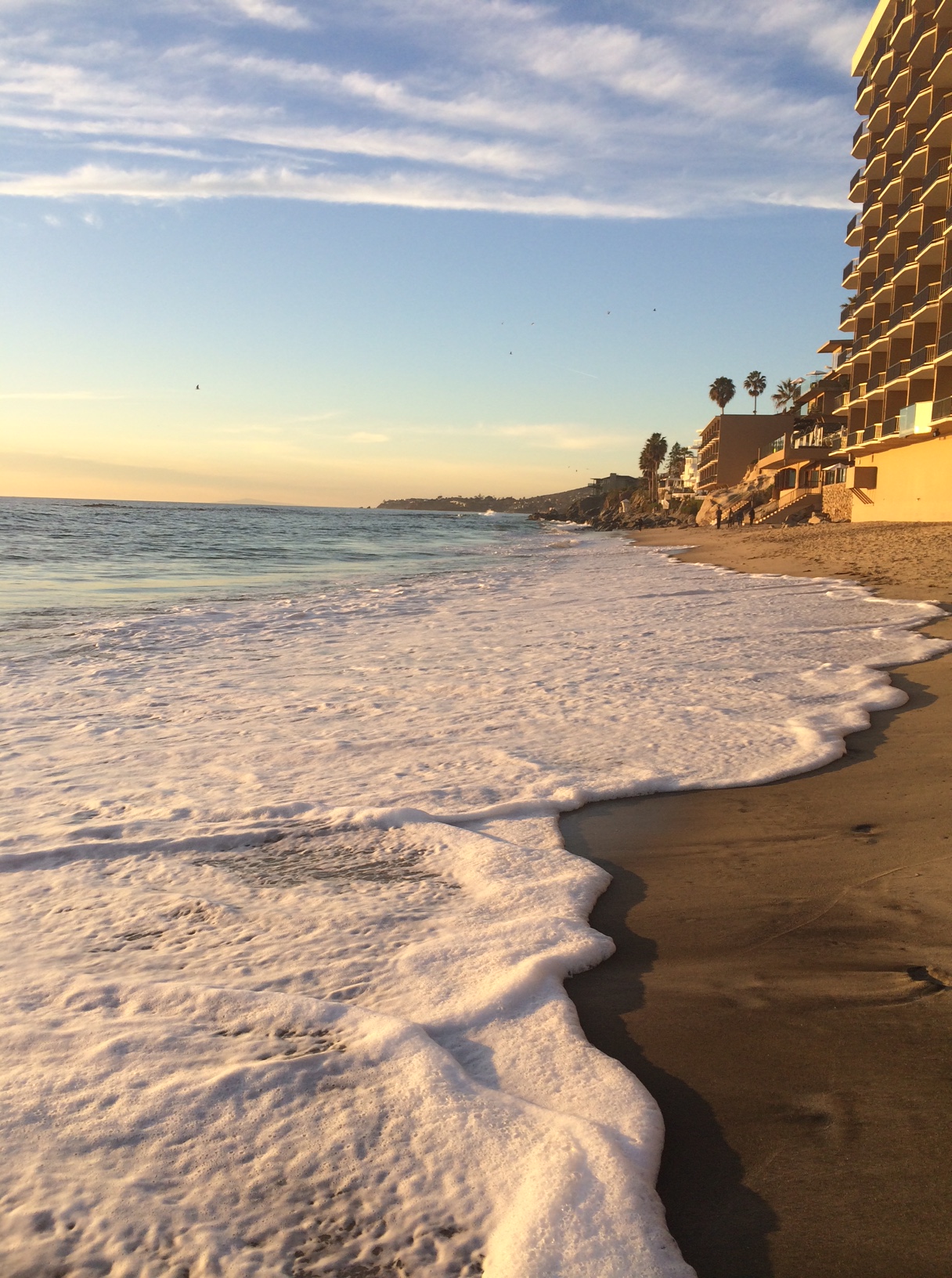
It took a full twenty-four hours for my tired brain to stop racing, and to allow my internal rhythms to slow down and mimic the pace of the ocean. I went for long walks along Pacific Coast Highway, enjoyed delicious meals, and savored the sight of the sun slipping below the horizon, streaking the topaz sky with tangerine fire.

Waves

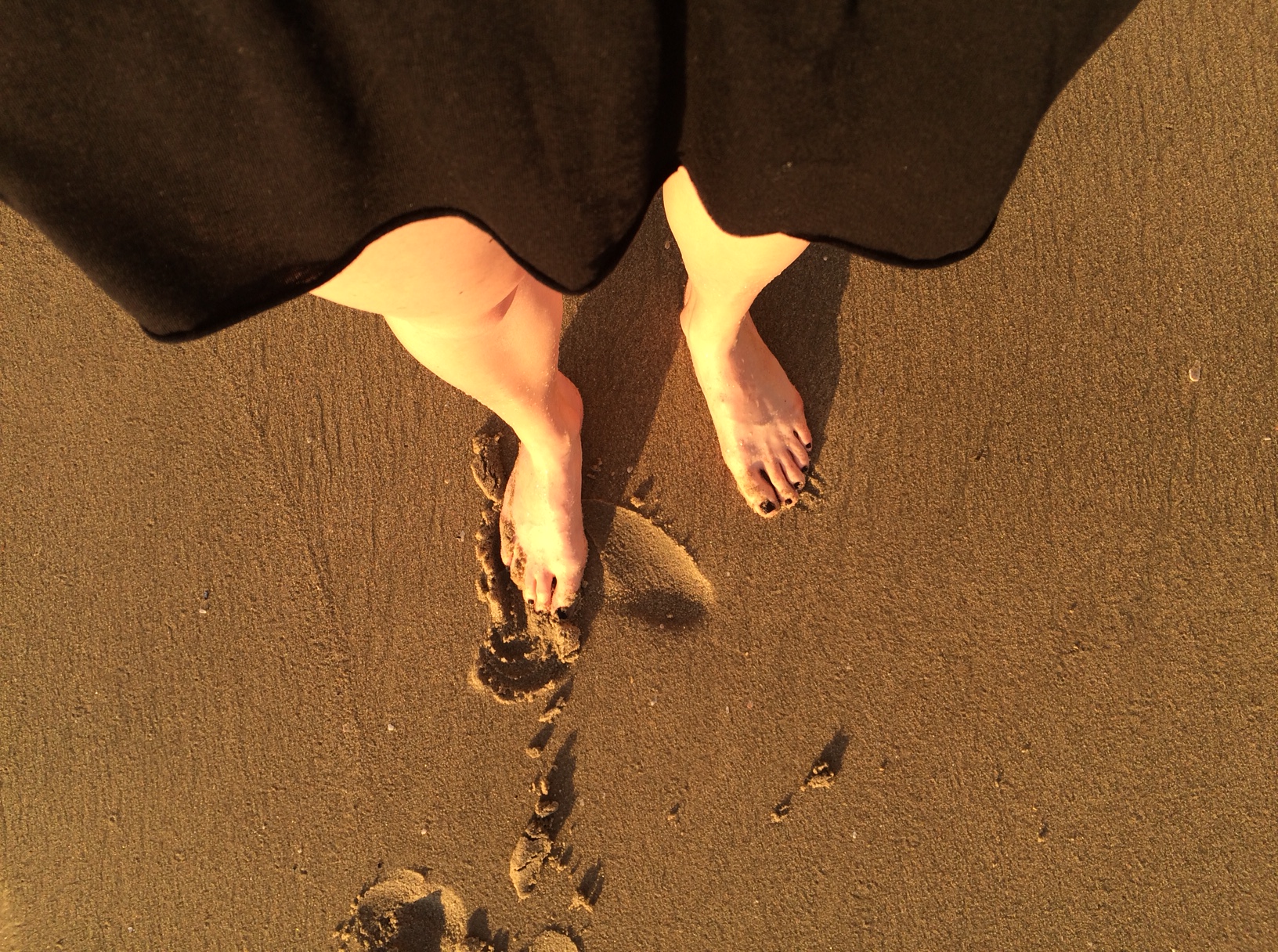
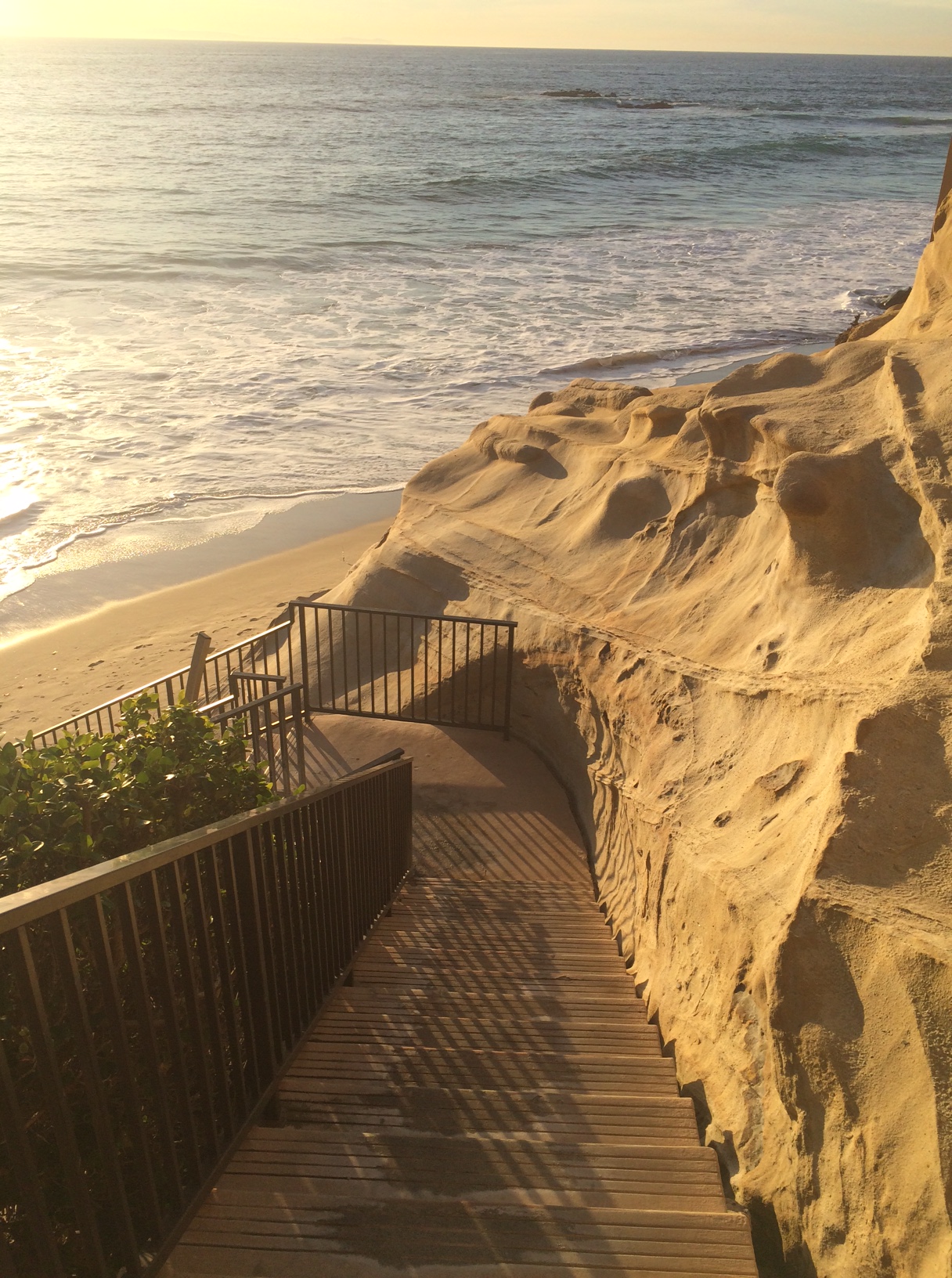
On my last day in Laguna, I lounged in the afternoon sun and swam lazy laps in the warm saltwater pool. An hour before sunset, I made my way down to the beach. Running in and out of the surf, I laughed as the tide quickly receded then rushed back, swallowing my bare feet with a force as the not-quite-cold foamy white waves tickled my toes.

My whole life, the ocean has always held a certain mysterious allure. In the presence of its seemingly infinite expanse I am small, but not in a way that renders me insignificant. Instead, my tiny-ness thrills me, reminding me that my problems are a mere droplet compared to such a mighty sea. As the roar of the surf matches the drumbeat of my own heart, I know that I am part of the earth – all of it – and my connectedness to such great beauty makes me feel both awestruck and safe.

The first four years of my thirtieth decade brought challenges I never thought I’d face. Not this young, not this soon. These years have brought death and unimaginable heartbreak and a loneliness I feared I’d never find the bottom of. But they also brought strength, and resilience, and gratitude, and a deeper knowledge of love than I’ve ever known. I am often sad and fragile, but I am also wise, and tenacious, and alive.

Palms and Sea

A few days after my thirty-fifth birthday, I stared out at the Pacific, wondering how I could go on, now that the four people who had most shaped my life were no longer here. As I thought about them, images of other people appeared in my mind – both family and friends – who had stepped in to fill the void in the absence of those four. A cherished bunch who had laughed and cried with me, who had embraced me with kindness, who had counseled me through hardship, who had held me up when I feared I would collapse. And in that moment of quiet reflection, I knew unquestionably not only that I could go on, but that I would.

When I left Laguna, a piece of my heart stayed behind. I vowed to return after questions had been answered, decisions had been made, and challenges were met, head on. As Anne Morrow Lindbergh wrote in that well-worn book I carried along with me on my journey: “Patience – Faith – Openness, is what the sea has to teach. Simplicity – Solitude – Intermittency . . . But there are other beaches to explore. There are more shells to find. This is only the beginning.”

Until next time, friends.

Stairs

Doe Bay.

I’m sitting on Meditation Point, a promontory overlooking the sea, trying to decide where to fix my gaze. The unseasonably warm October weather has abruptly turned cold, and I’m shivering in my thin flannel shirt. I long for the puffy down jacket I left behind in the Retreat House, but I brush the longing aside, choosing instead to focus my attention on the rippling waters of Otter’s Cove, and the fog rolling over the tops of impossibly tall evergreen trees.

IMG_5550

A few minutes ago, as part of her workshop at Write Doe Bay, papercut artist Nikki McClure led us on a walk through the woods, instructing us to remain silent as we followed the forested trail toward the overlook. Rather than speak, we were meant to simply observe the natural beauty all around us, find a spot to settle in, and sketch what we saw.

As our group of writers trudged along, passing campsites, we encountered a middle-aged couple cavorting among the trees, the door of their yurt flung open as they enjoyed a morning picnic. They hollered “hello!” at us, and though I (mostly) obeyed the instructions to stay quiet, the pair’s unchecked exuberance left me unable to suppress a chuckle. I wanted to shout greetings back at them, but instead, I smiled. A smile that said, “I know just how you feel.”

I’ve been back from Doe Bay for just over a week, and though it was my second time attending Write, this trip was a markedly different experience for me. Sure, the teaching artists were different, as were most of the attendees. But one year later, I was also different. And it was this difference that I found to be the most striking.

IMG_5545

There’s a phrase that the founders of Write often use when referring to the workshop and to Doe Bay itself: The power of a place to unlock you. To underscore this idea, participants exchange vintage keys at the close of the workshop, placing them around each other’s necks on a string of suede.

But here’s the thing: if a person is going to be unlocked, they have to be willing to open up. And last year, I wasn’t. I came to Doe Bay fragile and frightened, hollowed out by tragedy, and desperately seeking some magic elixir to heal my battered psyche. I listened to the powerful stories of the other writers. I was moved. And I tried my best to be present. But if I’m honest, I wasn’t able to allow myself to participate in the workshop in any meaningful way.

Fast forward one year later. On this visit, waking up to the staggering sunrise outside the window of my cabin felt like nothing short of a miracle. On this visit, I found myself passionately curious about all of the attendees, wanting to connect with each and every one of them – even if only for a few minutes – in the short time we had together. And on this visit, the fear that churned in my stomach at the thought of reading my unpolished workshop writing or deeply personal stories from my life served as motivation to jump in and share, rather than something that held me back.

IMG_5533

During her workshop at Write, Jenny Feldon asked us to consider changing one thing upon our return to our “normal” lives. “Change one thing,” she said, “and believe that other changes will follow.”

One year later, with Doe Bay as my barometer, I can tell you that, for me, many things have changed. Maybe the island and the rolling fog and the space we share together over the course of those three days really are magic. And maybe I simply needed to try again, to come back to this beautiful place tucked away amidst the trees, to realize how much – over the last year – I have been coming back to myself.

The power of a place to unlock you.

Until next time, friends.

Doe Bay Fall 2015

The memory of a place.

We received a brief respite from the heat this week in Los Angeles – even a desperately needed bit of rain – before the mercury began to spike again, signaling the arrival of another sweltering September weekend. In all the years I’ve lived here, I always remember September being hot, but never quite as insufferable as the recent Sunday evening when I returned to L.A. after a two-week absence. Upon crossing the threshold of the little stucco box that is my one-bedroom apartment, I was greeted by a wall of heat so humid, so stale, and so oppressive, that it nearly immobilized me. As I began to unpack, giant beads of sweat dripping down my nose, I imagined I was back in my seat on the Amtrak Cascades, gazing dreamily out the rain-kissed window at Puget Sound, the train pressing steadily onward toward British Columbia.

IMG_5114

Is it possible to feel homesick for a place that was never really home? While it’s true that sandwiched between my youth in Anchorage, Alaska and my adult life in Los Angeles, I did spend four years of high school in the Pacific Northwest town of Olympia, Washington, that was merely a blip, and the late 90’s were so long ago. Over the course of my life, I’ve been less of a resident of the Pacific Northwest, and more of a frequent visitor.

Still. Nearly all of my family – at least the family members that I know – live somewhere between Anchorage and Medford, Oregon, with most of them tracing their roots to Washington State and Oregon. And while Mom and I joined Dad in Alaska shortly after my birth at Seattle’s Swedish Hospital, Mom never fully settled into life in Anchorage. The Pacific Northwest was in her blood, and we returned there often. Many of my childhood memories are hazy mental photographs of my grandparents’ home on Beach Drive in West Seattle: playing catch in the long driveway, Grandpa’s rose garden, the living room with its seascapes and sea gull décor, the blond shag carpeting and terrier (Benji) to match.

And then of course there’s the Beach – the property on Case Inlet in Southwest Washington that I wrote about at length in my last post. That place is not only where several of my close family members reside, it is forever entrenched in my history.

As beautiful as the Pacific Northwest is, it has been difficult for me not to feel a bit haunted whenever I return there. Amid the inlets and elbows of Puget Sound, the tall evergreen trees, the gorgeous views of Mount Rainier, are memories of people that are no longer living, and a life that’s no longer mine.

IMG_5103

But this time – and I’m not quite sure why – the ghosts of the past seemed to peacefully coexist with the experiences of the present. The familiar was no longer haunting; it was a source of comfort. The Pacific Northwest was markedly different, yet ever the same.

The tree-lined drive along Highway 3 into Shelton – where I took my driver’s test –this time made in Grandpa’s ice blue Honda CR-V with the handicapped sticker hanging from the mirror. The same, yet different.

Olympia. The loop around Capitol Lake – where I would walk so many times, rain or shine – and the Capitol Building, with its dome that I used to photograph for the school paper. This time, a walk downtown for lunch with one new friend, then coffee with another on the Capitol campus, where she works. The same, yet different.

Seattle. Echoes of my mother’s laughter all around Westlake Center. The flagship Nordstrom where we’d spend an afternoon lunching and shopping for shoes. The Paramount Theatre, the site of one of my first concerts – Garbage – now hosting the band Hall and Oates. The waterfront – and the arcade where we spent our high school grad night – now mired in new construction. This time, I stop to ask a handsome police officer if he can point the way to Ivar’s restaurant. He laughs and directs us through scaffolding and over a rickety wooden walkway. Ivar’s – the place I’d feed seagulls and watch departing ferryboats as a child– now a spot to enjoy a leisurely lunch with my sister Marion, sipping wine and planning our trip to Bainbridge Island. The same, yet different.

IMG_5128

The border crossing into Vancouver. That same Amtrak train – number 510 – departing daily from King Street Station, with its iconic clock tower and cavernous marble lobby. This time, sitting on a wooden bench, ticket in hand, waiting to board and remembering the summer I drove across the border by myself, just seventeen, in my maroon Toyota Rav-4, receiving endless harassment from the border agents. The same, yet different.

Vancouver’s West End. The condo on Nelson Street where my sister and brother-in-law lived when my niece Nora was just a toddler, before my nephew Quinn was born. Now, Quinn is in high school, and Nora is away at University in Montreal.

It’s all the same, but it’s all so different. Yet for the first time that I can remember, the differences don’t seem to bother me. They don’t feel tinged with sadness like they usually do.

Perhaps it’s me that’s different, and not these places. Perhaps the change is simply the result of the passage of time and the slow healing that comes along with it. Or perhaps love of place has finally been able to transcend the pain of all that’s missing.

But whatever the reason, this time, the ghosts stayed at bay. And I was able to make new memories. Good ones. Memories that I will hold on to, dreaming of the gentle breeze off Puget Sound, until I’m able to return again.

Until next time, friends.

IMG_5183

The beach.

If only you’d have known me before the accident/

For with that grand collision came a grave consequence/

Receptors overloaded, they burst and disconnect/

‘Til there was little feeling, please work with what is left.

IMG_4960

I’m running along Grapeview Loop Road in the sleepy Western Washington town of Allyn. It’s Friday afternoon and the rain that has been falling steadily all morning has let up, topaz blue skies peeking through the still stormy, not-quite-white cotton candy clouds. It’s what people in the Pacific Northwest call a “sun break,” and I’m taking full advantage of it. Rain is usually an unwelcome sight in this part of the world during the late summer months, but it’s desperately needed due to abnormally dry weather conditions and a series of terrible fires that are pummeling the Eastern side of the state. For me, the rain also offers a welcome respite from the 100-degree temperatures currently baking Southern California, where I live. As I imagine the wall of heat permeating my little stucco bungalow in West Los Angeles, I am grateful that I’m here and not there.

As I wave appreciatively at the motorists who drift toward the median, giving me the widest possible berth as I jog by on the shoulder, I savor the delicious irony of the Death Cab for Cutie song, The Ghosts of Beverly Drive, pulsating through my headphones. It’s a song about damaged and jaded people in Los Angeles, people with “no firsts anymore.”

I don’t know why, I don’t know why/

I return to the scenes of these crimes/

Where the hedgerows slowly wind/

Through the ghosts of Beverly Drive.

While I don’t consider myself to be damaged or jaded by Los Angeles, after sixteen years of living there, I understand where those lyrics come from. Over the last decade and a half, I’ve changed dramatically from the eighteen-year-old college student who first arrived there, bright-eyed and full of hope. It took me years to get to where I am now, living a life that actually fits me, rather than trying too hard to be someone I’m not in a desperate effort to impress other people or feel worthy of their attention.

And yet. Despite the fact that I have greater ownership over my life than I’ve ever had, L.A. still doesn’t feel like home. It never really has. Not in the way that this place does: the place where I’m currently jogging down the road.

IMG_4995

For just over a week, I’ve been staying in Allyn, in an area of the Pacific Northwest that my family simply calls, “the beach.” It’s a large parcel of waterfront land overlooking Case Inlet, a piece of property first purchased by my grandparents in 1959, when they were court reporters working in Seattle and looking for a place to build a summer home.

As a child, I remember the beach as nothing short of magical. It was far away from everything, tucked away at the edge of the world like some sort of family secret. I spent all of my summers there: foraging for driftwood to build great big bonfires, roasting s’mores under the starlight, digging for clams at low tide (still the best clams you’ve ever tasted), cruising around Case Inlet in my uncle’s boat, dogpaddling through the saltwater and dodging big scary jellyfish.

As I got older, the magic began to fade as reality set in. My first cousin, who was, for many years, the closest thing I had to a brother, turned to drugs and violence and severed all ties with our family. My once vital and full-of-life grandfather suffered a stroke, leaving him wheelchair-bound and depressed. My dad was diagnosed with stage-four pancreatic cancer, but my mother shocked everyone by dying first, just a few months before him. My maternal grandmother quickly followed suit, succumbing to Alzheimer’s disease that had gone undiagnosed for years.

It got to the point where I started to hate the beach, because every visit was a painful reminder that so many people I loved had been so abruptly ripped away. Memories of carefree childhood summers were replaced with harsh adult realities like probate court, property tax, and estate planning. The left turn off of Grapeview Loop Road and on to our property – with its still, serene view of Mt. Rainier rising above Case Inlet – no longer made my heart swell. It leveled me.

IMG_4938

It took some time, many return visits, and no small amount of healing to realize that in spite of all of the change and loss, the beach is deeply rooted in my DNA. Not long ago, among a box full of mementos, I found a letter that my grandfather wrote me upon my college graduation, just over a decade ago. I was about to embark on my new, exciting life as an adult in Los Angeles, and he sweetly implored me not to forget where I came from. He closed the letter with these words: The beach never changes, ‘tis only we who change.

He’s right. I have changed. We all have. But as life shapes and shifts around me, the beach remains a constant. During these last three years of navigating emotional chaos and loss and questioning my life choices, years where I’ve slept with one eye open due to nightmares and panic attacks and occasionally crippling anxiety, the beach is the only place where I’ve continued to feel sheltered and safe. It’s the only place where I’ve been able to submit to deep grief and let it wash over me, allowing the healing process to begin. It’s the only place where my equilibrium returns, and where I’ve often thought – sometimes in spite of all evidence to the contrary – that everything is going to be OK.

It’s ironic to think that it took my mother dying for me to understand why she loved this place so much. Why it was always, throughout her life, her True North. Why she insisted, as far back as I can remember, that her ashes be scattered here, so that she could forever be a part of the sea and the sky and the evergreen trees. The other day, as I swam in Case Inlet, feeling the tingle of saltwater in my mouth, with the air perfectly still and everything around me slowing down, I whispered aloud, almost as though it were a prayer: I get it, Mom. And I wonder if somehow she heard me. I wonder if somehow she knew.

The beach never changes, ‘tis only we who change.

Until next time, friends.

IMG_4997

Jet Lag.

Just over a week ago, I penned a hopeful dispatch from London’s Heathrow Airport in the pages of my journal.

IMG_3862_2

It was afternoon, and I was squeezed into a tiny table at a crowded café in terminal five, scribbling notes about my trip as I waited for my flight to Los Angeles to begin boarding. After two weeks in Europe, I was homeward bound, and I was more than ready to return. I was ready to return to my life and to once again take up the big, important projects – both career and life – that I’d been putting off. I was ready to hit the ground running with a renewed sense of purpose.

And return I did, after a sleepless ten hour flight, a terse exchange with an LAX cab driver – who kicked me out of his car after he learned I’d be paying my fare with a credit card – and a foggy few days spent trying to catch up and reintegrate myself, amidst strange sleep patterns and cloudy, confused dreams in which I existed both in the place I was and the place I’d been, simultaneously. Palm trees in Prague . . . what the??

IMG_3688

But my jet lag wore off. And reality set in. And as it did, I found my sense of hopefulness waning. It became difficult, once again, to keep my spirits up.

My post-vacation hangover made me realize something simple, yet true: it’s easy for me to feel optimistic when I’m away, because it’s easier to look at my life for what it could be, as seen from a distance, than for what it actually is, when it’s right up close. Strolling the banks of the Thames or the Vltava, bundled up against the February chill, my L.A. life looked like some sort of sun-soaked dream. A dream that I couldn’t wait to return to.

But my actual L.A. life isn’t exactly a sun-soaked dream. It is much more difficult than the palm trees would have you believe. It’s full of traffic jams and smog and grown up decisions and a high cost of living and endless bills to pay. It’s creative burnout and failed relationships and an ongoing struggle to make peace with my past. More than anything, life in LA. these days is a struggle to figure out who the heck I am after I’ve been so many versions of myself and none of them have worked out.

IMG_3803

Yes, I am feeling sorry for myself. And yes, it’s disgusting. Let’s get real for a second. I’ve just returned home to Los Angeles, which, weather-wise, is pretty damn pleasant compared to what most of the rest of the world is experiencing in late February. I just spent two weeks in Europe on an incredible adventure – the type of self-indulgent trip that most people only dream of. And all around me in this sprawling, massive, city, there are reminders that my life, for all of my complaints, is not really that bad.

As I scribble these words into my journal, I’m sitting in another café, half a world away from the one at Heathrow. But you can’t really call it a café: it’s a Coffee Bean & Tea Leaf. Right in front of me, in the middle of the afternoon in broad daylight, is a most unfortunate business transaction: an exchange between a prostitute and her pimp. She: edgy, nervous, eager to please, fingernails caked in dirt (that’s how close she is to me) with a tiny, scruffy dog in her lap. He: cold, disinterested, rude, and treats her so callously, it’s obvious that he sees her as nothing more than property. My stomach turns and I try to pretend I don’t see them, but it’s impossible. I feel guilty for obsessing about my own stupid problems, ashamed when the girl’s eye briefly meets mine, and then sad, as I look away and cast my eyes downward, toward the floor.

IMG_3861

The best thing about my trip to Europe was that it reminded me of the carefree, hopeful girl that I used to be when I lived in London as a twenty-one-year-old college student, when the world stretched out wide in front of me, when possibility seemed limitless and I still believed that nothing bad could happen to me. The worst thing about my trip to Europe was that I returned, knowing for sure that I am no longer that girl.

Real life is very unlike my European vacation, and much more like the scene I witnessed at the Coffee Bean. It confronts you with its realness, with its complexity. Sometimes it’s gritty and sad. Sometimes it forces you to look away.

Every time I leave town, I’m happy. For a time. But then I come back, and the old problems are still here, and I’m still here. And time is passing and life is happening all around me. And I’m not really any closer to figuring it all out.

So I have decided that it’s time. Time to say yes to the here and now – even if the here and now is gritty and difficult and real. Even if it makes me sad. It’s time to commit and connect to my real life in a way that I’ve been avoiding. Time to buckle down and do the hard work. Because you can’t correct what you don’t confront. And the hour is growing late.

This might be the craziest adventure yet. Wish me luck?

Until next time, friends.

IMG_3823


Blog at WordPress.com.