Almost.

“I’m here to make a donation.”

I had been feeling confident on the way over. Good, even. I’d secured rock star parking (with money still on the meter!) a block away on Las Palmas. Walking to the museum, I practically glided down Hollywood Boulevard, effortlessly dodging gawking tourists, street performers and hustlers shoving leaflets in my face. No, I don’t want a map to the stars’ homes, thank you very much. I live here.

But as I approached the front desk, approached the woman with curly hair framing an inquisitive face, my heart rate sped up. I swallowed hard. There was something unnerving in those gentle, wide set blue eyes looking back at me. It was recognition. Right away, I knew: she’d seen this story countless times before.

“Sure,” she answered, smoothly. “Did you complete the form on our website?”

“Yes.”

“And you signed it?”

“Yes. It’s right here.”

I handed her a white envelope, which she opened, scanned the contents, and then carefully replaced. “Great,” she said, satisfied that everything was in order. “And you have the object?”

“Yes.” I handed her a paper bag, watching, waiting expectantly, as she peered inside.
dad-hawaii-plane

The first time I’d visited the Museum of Broken Relationships, the monument to love and loss located on Los Angeles’ famed Hollywood Boulevard, I did so out of curiosity. I was doing research for a new draft of my play War Stories, about the intersecting love lives of four dreamers in Los Angeles, and writing an article about the museum for my friend Tammin’s blog, Bottle + Heels. On that visit, in the waning days of summer, life and love were full of promise, and I was – dare I say it –  happy. As I wandered the open, light-filled gallery, taking in the sad tales of woe, I felt invincible. “No way,” I thought, reading each story, shaking my head. “This is not how my story is going to end.”

Of course, I should have known better. I should have paid attention to the creeping doubt that was already snaking its way through the corners of my mind. And now here I was, months later, doing something I never thought I’d do: contributing my own sad story to the archives.

“Can I ask you,” I inquired, leaning in confidentially, lowering my voice, “Will the museum notify me when my object goes on display?”

The woman shook her head. “No. For the purpose of anonymity, we can’t do that.” “But,” she added, leaning toward me as though we were sharing a secret, “Any time you want to come here, you can just go to the front desk, describe the object, and someone will be able to tell you yes, or no.”

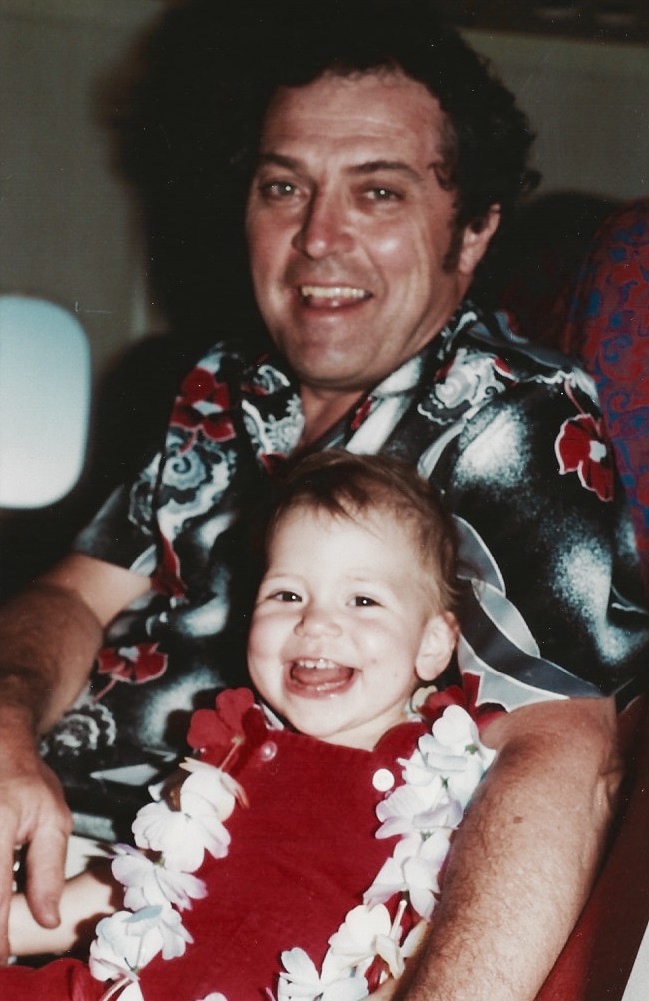
Business done, I wandered the gallery, aimlessly, absorbing the stories contained within. And as they often do in February, as I approach the anniversary of his death, my thoughts drifted toward my father. “Pollyanna,” he used to say, the nickname referring to the naïve optimism he teased me relentlessly for as a child, “The world is a cruel place, darling. The world will break your heart.”

Back then, I’d laughed it off. “Oh, Dad,” I’d say, rolling my eyes, chalking it up to my Irish father’s penchant for melodrama (to this day, I remain convinced that the Irish invented heartbreak). Little did I know how right he’d turn out to be. The world is a cruel place, and I have found it to be exceedingly cruel these last few years, rife with death and disappointment.
broken-ships-filtered

But the thing my father didn’t say, the thing he didn’t warn me about, was that for us Pollyannas of the world, there’s a certain type of heartbreak that hurts more than all the others. It’s the kind where you almost have something, and then you watch it slip away, crumbling to dust in your hands. As an unflagging optimist, hope is the drug that I live on. And when things fall apart, hope is the drug that, time and time again, threatens to kill me.

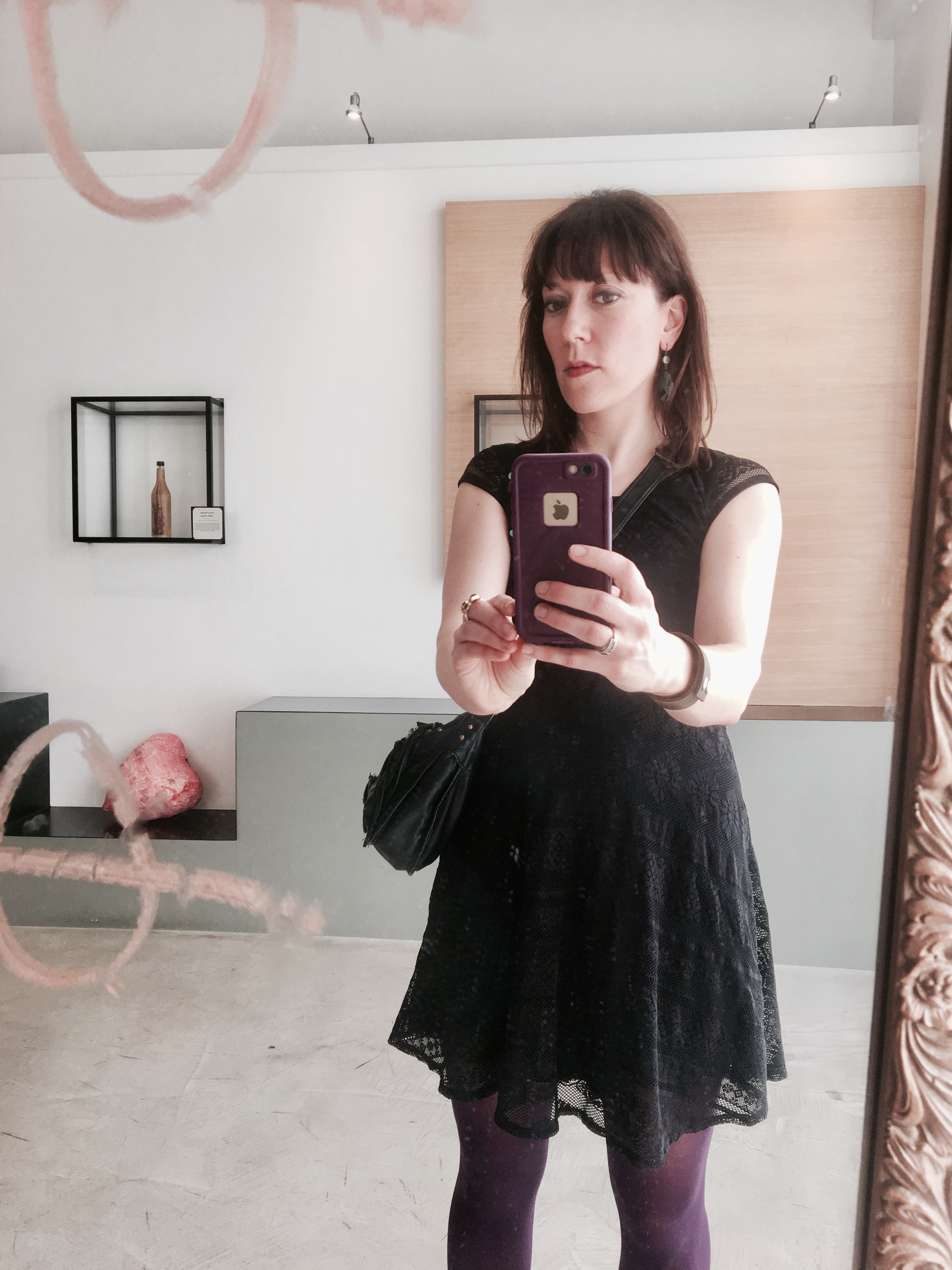
It was time to go. But on my way toward the exit, I paused in front of a floor length antique mirror, taking a photo of my reflection in the glass. And as I did so, I felt curious eyes upon me, watching me. I looked up to see two women, one of them behind a camera. I had noticed them earlier, moving through the museum, photographing its objects. I smiled, returned to what I was doing, thinking little of it. Because in Los Angeles, everywhere you go, someone is always filming something.

But one of the women approached me. “Excuse me,” she said, with a thick French accent.  “You speak Anglais? Ou Français?”

“Anglais,” I replied, feeling immediately apologetic. “Sorry, it’s been a long time since I’ve taken a French class.”

She smiled. “Ça va.” “We are making a documentary for French television, and I was wondering if I could film you?”

“Really?” I stammered.

“Yes.”

“What do you want me to do?”

“Just what you were doing, photographing yourself in the mirror. It was beautiful. You noticed us watching you, yes?”

“Yes,” I admitted, feeling the color rising in my face.

“So, it’s OK?” If we film you?”

Oh, what in the hell, I thought.

“Sure,” I replied.
theater-seats

Later, still not ready to go home, I ducked into the Pig ‘N Whistle – a historic old Hollywood bar next to the Egyptian Theatre – found a darkened corner booth, and ordered a martini. Scrolling through the photos on my phone, another memory came flooding back. It was last summer, during that same happier time, when I’d visited the psychic medium Fleur in an attempt to communicate with the spirts of my dead parents. Fleur and I spent most of our session focused on my mother, but toward the end, my father showed up, cheerful, singing his favorite Irish songs.

“You went to Europe, after your father died?” Fleur asked me, her closed eyes fluttering.

“Yes,” I replied. “But not right after. Two years after, on the second anniversary of his death, on Valentine’s Day. I went to Prague.”

“Yes.” She smiled. “He went with you. You felt him there, didn’t you?”

“I did.” It was true, my father had been everywhere on that trip.

“He wants me to tell you, next time, he wants you to go to Paris.”

Paris. Those French filmmakers in the museum, days before Valentine’s Day, days before marking another anniversary of my father’s death. And me: uncertain and adrift, wondering where to turn, what to do next.

Could it be a sign? Do I even believe in signs? In truth, now is the worst possible time for me to go running off to Europe. I’m running low on money. I need to go back to work. And I need to make some big decisions about my life. Grown up decisions, which, at thirty-six, it’s high time I started making.

And yet. In addition to the story that I left behind at the museum, there’s another “almost” failure that’s been haunting me of late. It’s about a review I received for my play War Stories, and its current Los Angeles production. The reviewer, while largely complimentary, said something about the play that stung me: “I hope this is not a final version,” he wrote, referring to the fact that the script, while good, still needs some reworking. And the reason his critique stung me so much is because I agree with it. As proud as I am of the play, I know that it can be better. I know it’s not finished. I’m just not sure how to fix it.

And so, with that in mind, I made a decision. I decided that I would take one last trip. I would go to Paris, after all, as soon as I could, as soon as this production of War Stories has closed. And on the banks of the Seine, in the hallways of Musée D’Orsay, at a table in a café in St. Germain, I will work on my script. I will figure out the parts that aren’t working, and I will fix them.

Because this is one “almost” that doesn’t have to be a failure. Unlike the story I left behind at the museum, this story is something I get to change. In this story – my story – I’m the one who decides how it ends.

Until next time, friends.

paris

Love and War.

“You take your life in your own hands and what happens? A terrible thing, no one to blame.”

– Erica Jong

fullsizerender-2

I can’t remember exactly when I began to silence my phone. I only know that there was a period of time during the not so distant past when every time it rang or chimed or buzzed, the news was bad. And even though switching my phone to mute didn’t solve the problem, the magical thinking I adopted during those dark days meant that if I didn’t receive the message, then the bad thing didn’t happen. The crisis had been averted. For one more day, I was OK.

And so, barring rare exceptions, I’ve kept my phone on silent. But these days, the mute button is no longer about protecting myself from bad news. These days, it’s the only thing shielding me from the unbearable silence of the calls that aren’t coming.

Tomorrow, February 3rd, is the opening night of my play, War Stories. Another opening, another show. But this one is different. Not only because of the length of time I’ve been working on it, or because of how uniquely personal the subject matter is, but because its opening marks the end of something; it means I’m standing on the edge of something.

War Stories originated as a one-act that I wrote for last summer’s Hollywood Fringe Festival, and this new iteration is a longer, two-act piece, centering around the same four characters, a band of thirty-something Angelenos with time running out on their dreams, who are looking for love in all the wrong places.

Writing this play – particularly this latest, longer draft – was utter hell. I don’t think I’ve ever struggled so much or felt so inadequate as a writer as I did during the process of reworking this script. And if I didn’t have so many other people counting on me, people who I like and with whom I’ve been talking about this new production for months, I’m quite certain that somewhere along the line, I would have given up.

fullsizerender

In truth, I’ve been wearing a heaviness in my heart since last September, and this script demands a level of emotional honesty that I wasn’t sure that I was up for. All through the fall, I carried the story within me, writing bits and pieces of it in my head when I couldn’t bear to face the page. The stories of Chelsea, Sam, Jake and Jen and their messy, intersecting love lives followed me into the jostle of crowded streets in Mexico City, and onto a sweaty campaign bus pushing through the Nevada desert, and high into the Santa Monica mountains, as I gazed down on the sweep of Los Angeles below. Everywhere I went, these characters and their broken hearts followed, demanding that I give them voice.

And the power of a deadline is something to behold, because as difficult as it was, finish the script I did. And we cast some incredible actors who breathed life into the characters in ways that I couldn’t have imagined and gave meaning to words I wrote that I didn’t know existed. And now, here we are: a day before opening and we are ready. We have a show.

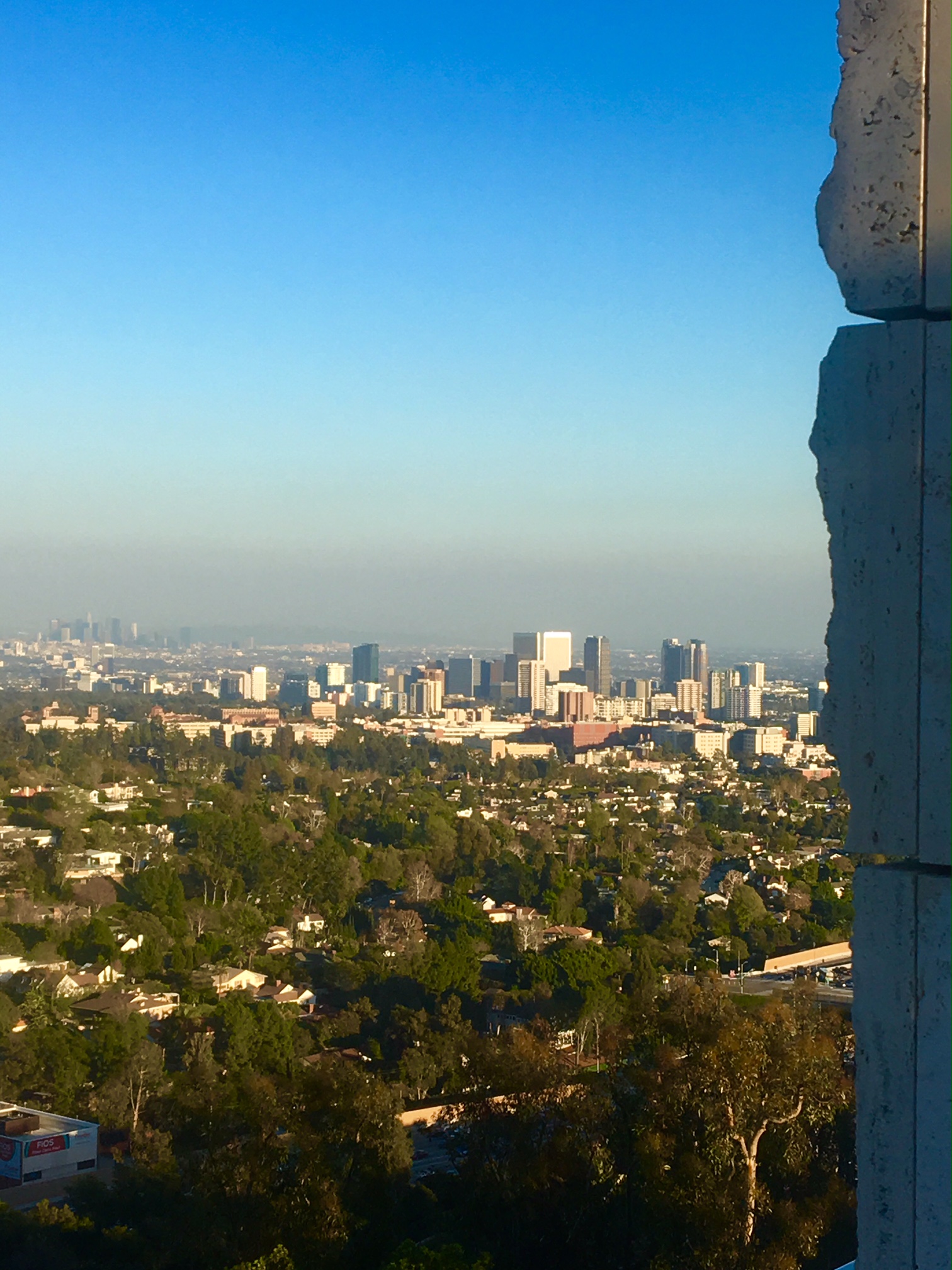
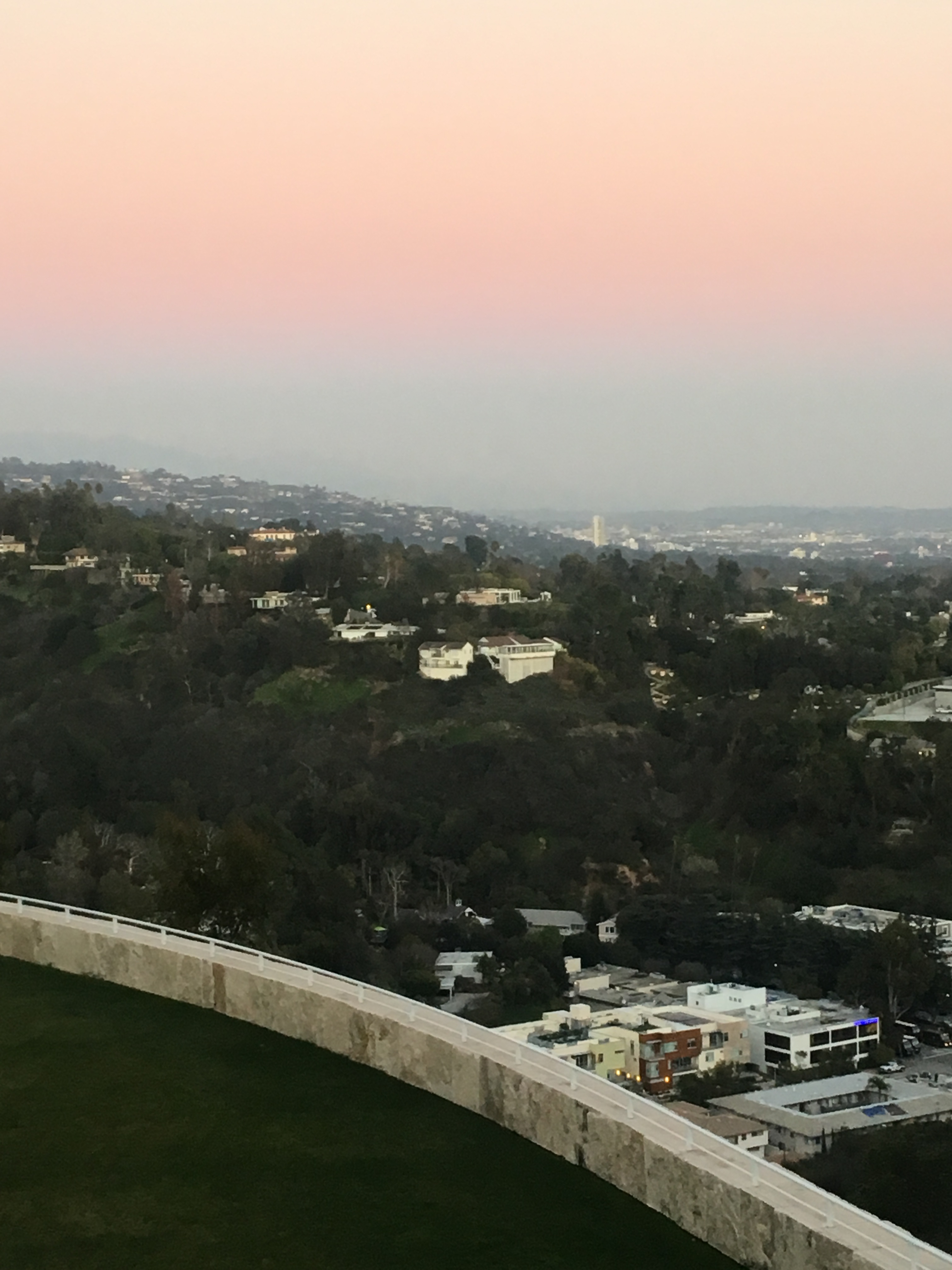
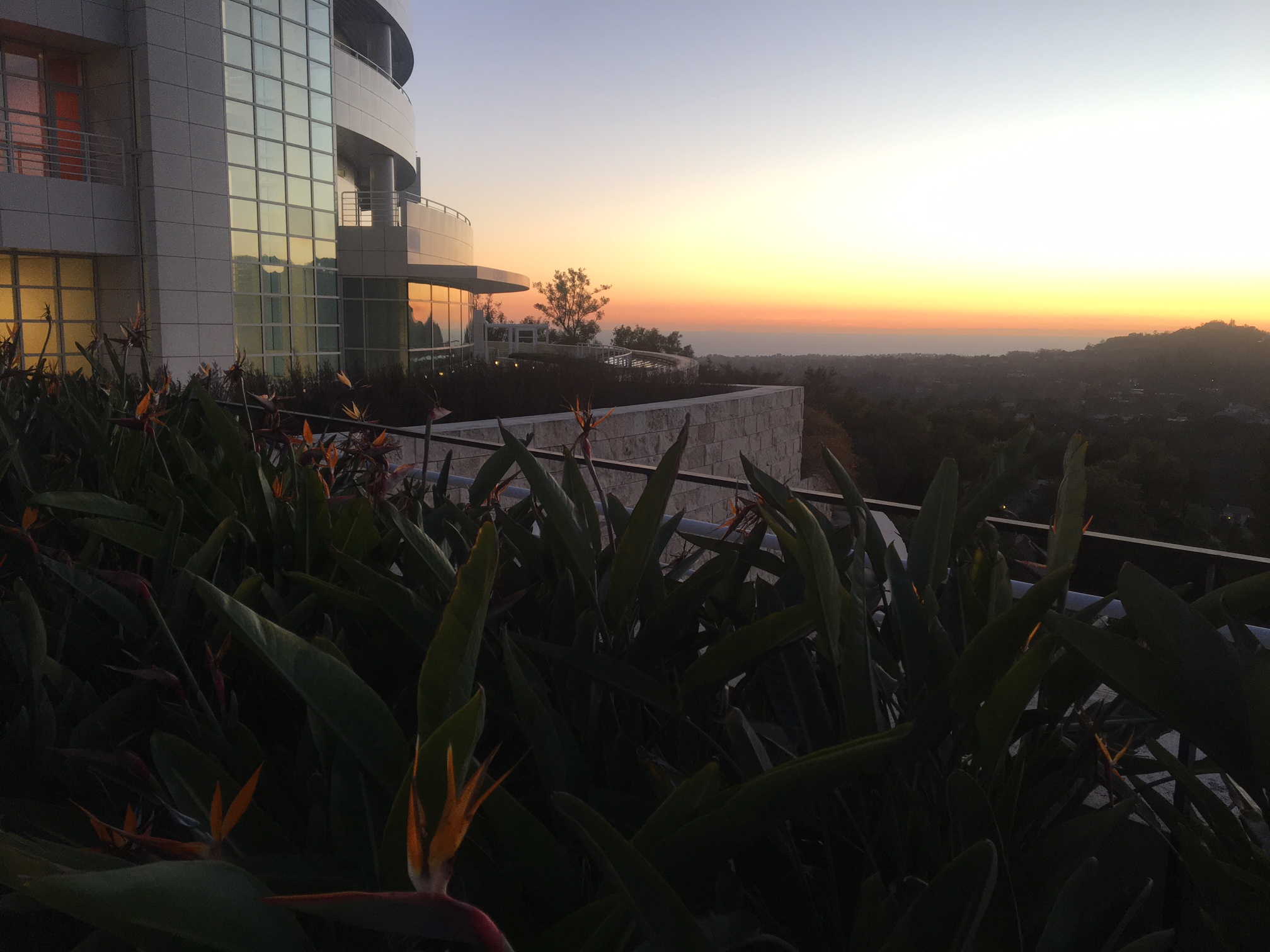
A few days ago, I found a rare blank spot on my calendar; the only day in the entire month of January with nothing written on it. And so, in that last gasp of stillness before the play begins, I returned to the place I always go when I need to think, that stunning art museum perched high on a hill above Los Angeles called the Getty Center.

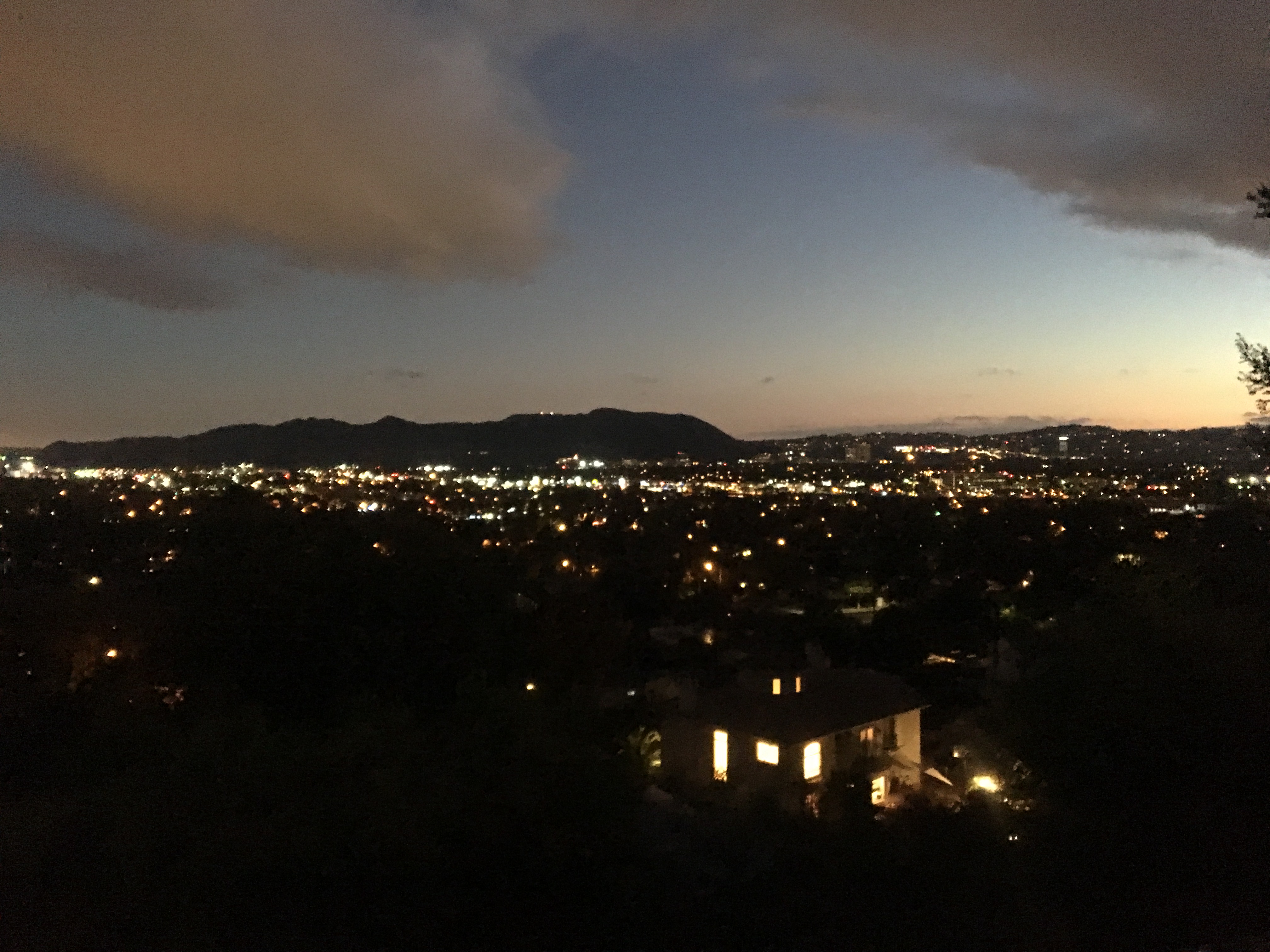
I wandered through the Getty’s now barren winter garden, drank espresso while taking in the city below, and stayed until the sunset spread its tangerine warmth across the Pacific Ocean. And as I did, I asked myself who I want to be. Not who I think I should be, or who other people want me to be, but who I actually am and who I, perhaps, have not been giving myself permission to become.

For months, this production of War Stories has been my excuse to put off making decisions about my future. “I can’t do anything until after the show,” I’ve said, time and time again. And it has been true, at least, mostly. But come March, my calendar is wide open and I can do anything I want, a prospect that is both exhilarating and terrifying.

img_0762

Which leads me back to the calls that aren’t coming, and the need to continue to keep my phone on silent to avoid thinking about them. In the summer months, everything seemed to flow. Work was coming in, money was good, and life was sweet.

But as the calendar switched to fall, things got harder. I started hitting walls. Work slowed down. People started disappointing me, stopped showing up. Promises were broken. And the future that I thought would unfold on its own simply hasn’t.

And now it is February. Money is running low and the hour is running late. And I’m no closer to receiving any sort of sign of what to do next, or which way to turn. Which means that I’ll have to trust myself, and that trust, due to some unfortunate events, has recently been shaken.

Last week, staring down on the city that I love, I felt less invincible than I usually do from that favorite perch high above L.A. I felt uncertain, a little afraid, even. I know that it’s time to take a leap. I know that it’s time to begin the next chapter of my life. I just thought I’d know what that was by now. I thought that by now, the answers to those questions would be obvious.

But maybe it’s OK that I’m so uncertain. Maybe it’s OK that there’s no crystal ball, no prophetic vision, no knight in shining armor swooping in to save the day. Maybe it’s a good thing to stand on the edge and ask myself to be braver than I feel, to take a chance, to be the hero of my own goddamned life.

Maybe I’ll learn something from this, something that I needed to know.

Maybe.

But right now, I’ve got a show to open.

Until next time, friends.
img_0774


Where I Write: Cafe Surfas.

Are you lonesome tonight?

Do you miss me tonight?

Are you sorry we drifted apart?

img_0511

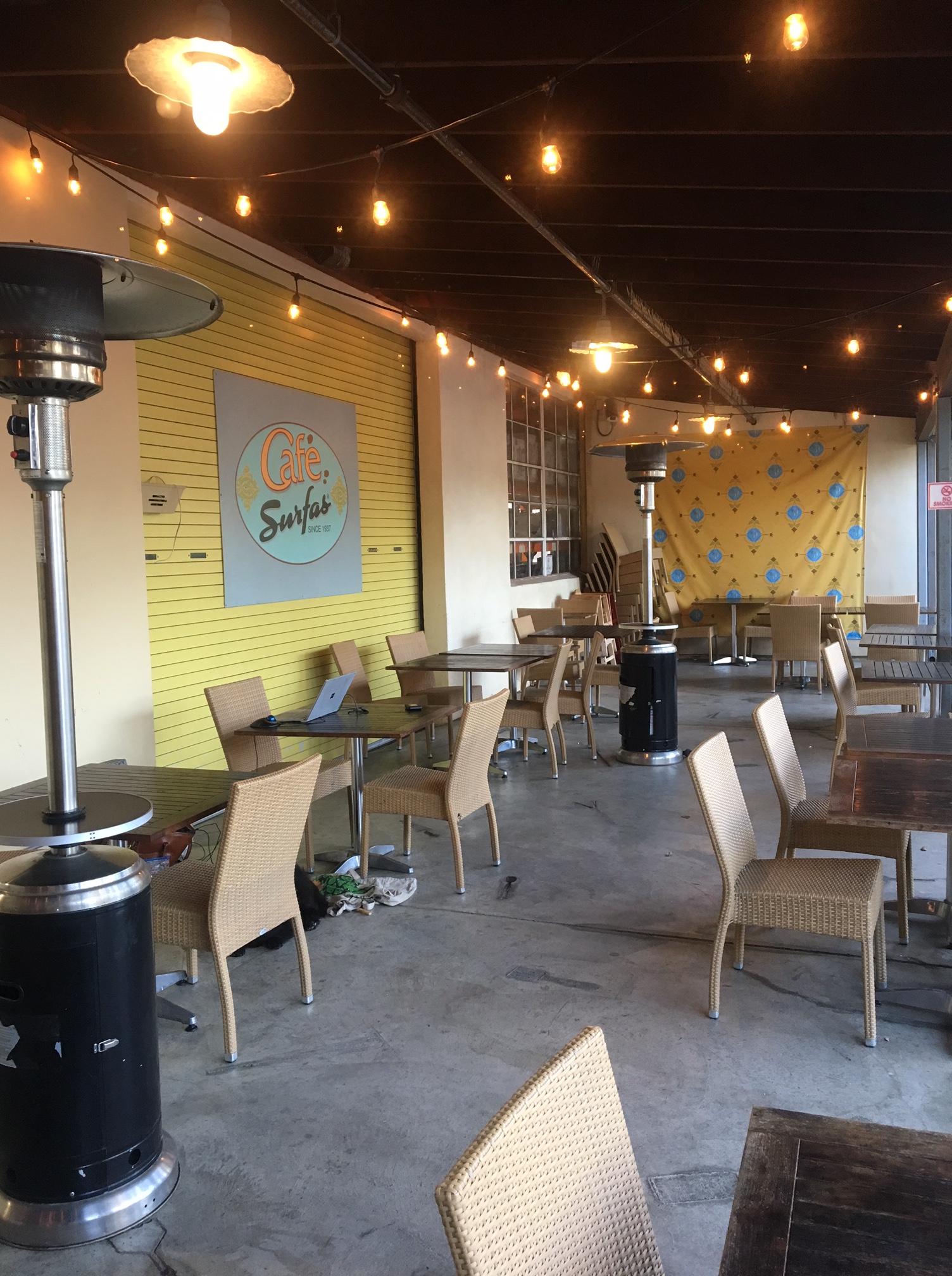
I’m sitting at a wooden table near the edge of the expansive outdoor patio at Café Surfas, sipping a soy latte underneath the warm, amber glow of string lights, the late afternoon sun slipping low on the horizon, when suddenly an Elvis Presley ballad crackles across the overhead speakers, cutting through the damp January day. It stops me, as certain Elvis songs often do, because they remind me of my mother. She loved Elvis, and loved his sad songs most of all, something I realized only after she died. For a moment, I cease writing, thinking, remembering. And then I pick up my pen and begin again.

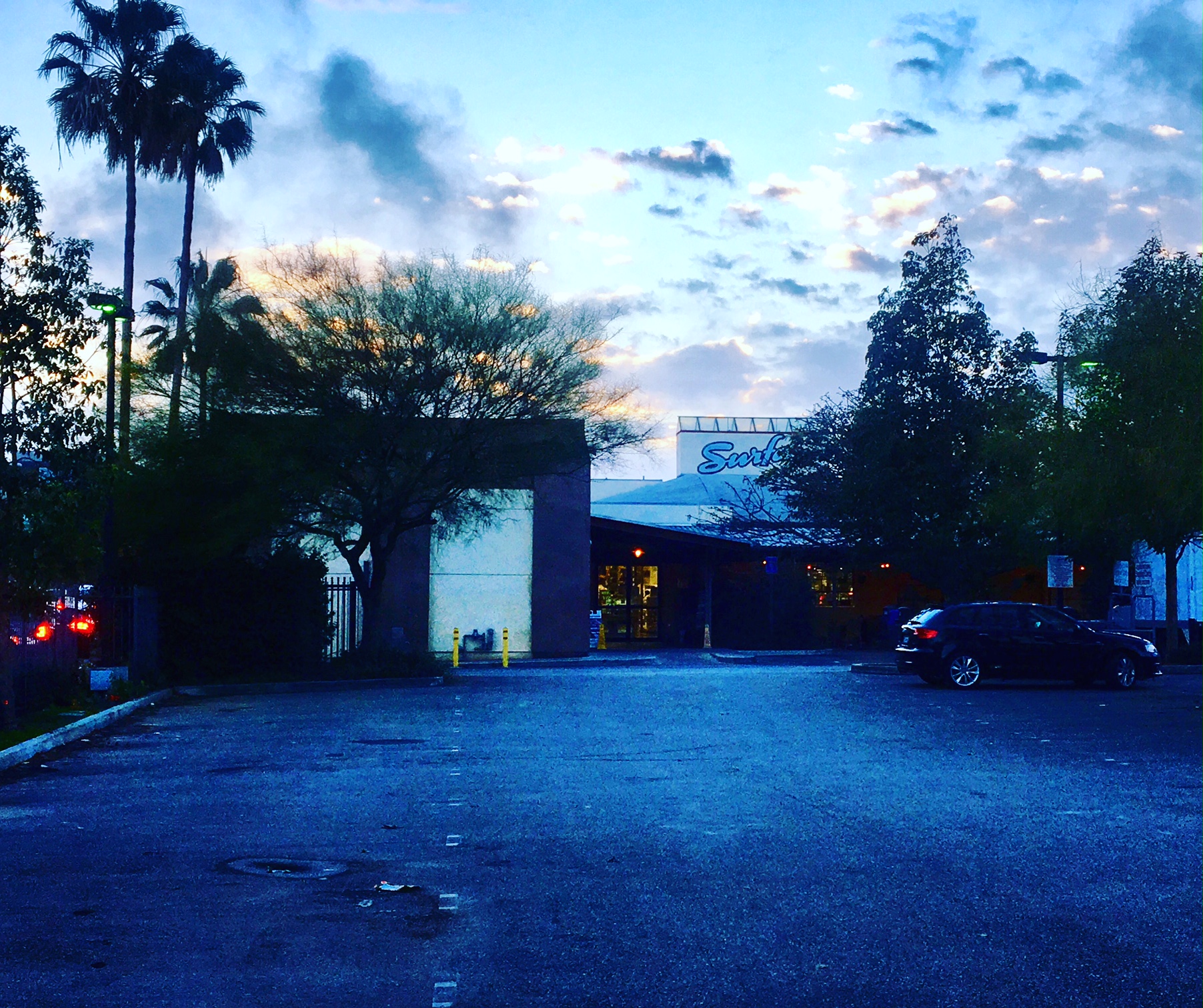
I haven’t been here in a while, even though it’s one of my favorite places to write in L.A. The café is part of the restaurant supply store Surfas, a go-to institution for chefs and L.A. foodies located in the heart of the Culver City Arts District. I like it for reasons both practical and personal. The parking is free (and abundant, a rarity in Angel City) and so is the Wi-Fi, and the spacious patio is rarely crowded. In fact, this afternoon, it’s just me and one of the regulars: a middle-aged, flannel shirt-wearing man with a serious demeanor and a giant black dog in tow. Every time I come here, without fail, he is also here, typing away on his laptop. In a world where so much is uncertain, I find the consistency comforting.

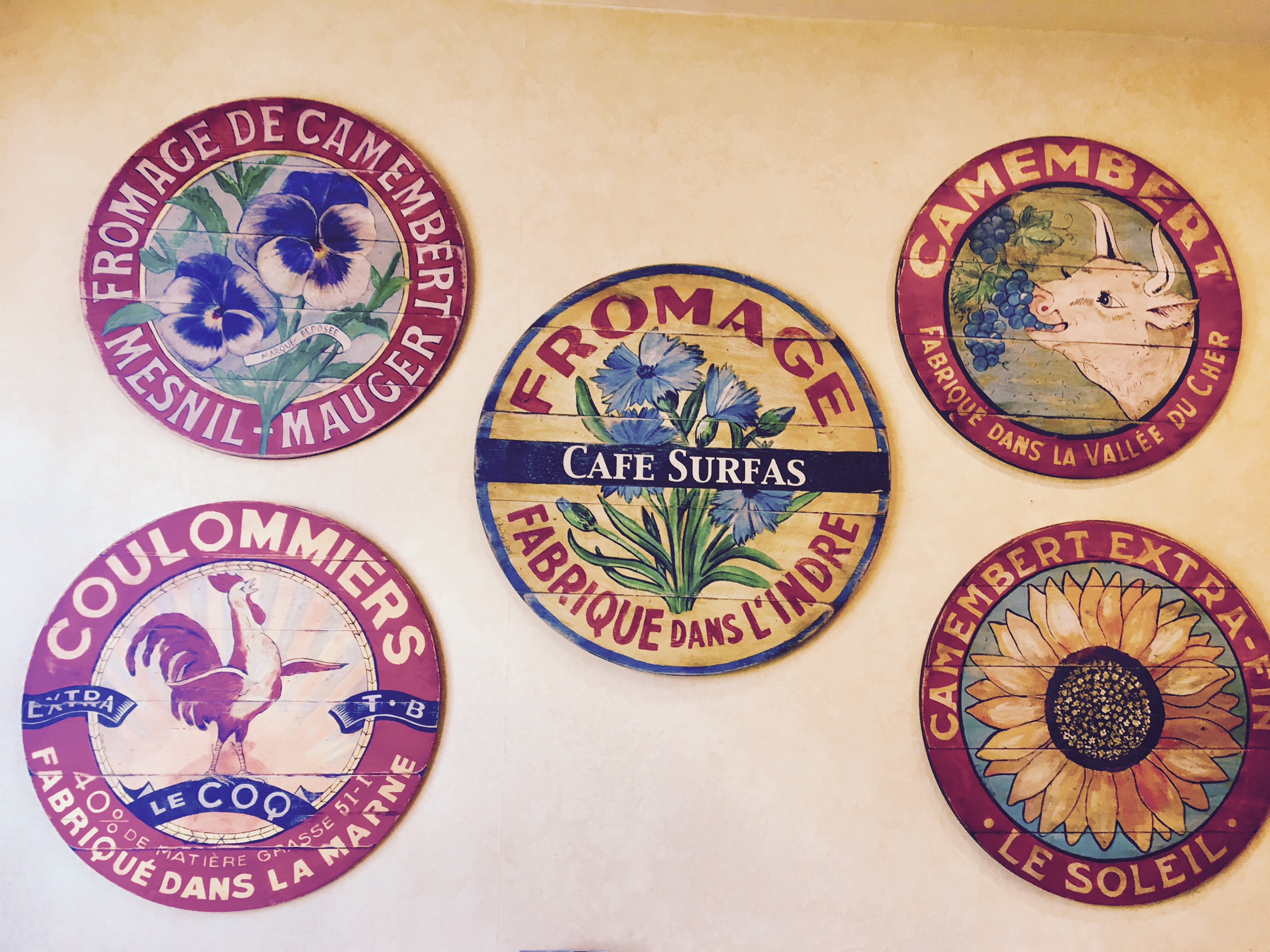
But the real reason I like Café Surfas is that – like so many of my favorite places in Los Angeles – I don’t feel at all like I’m in Los Angeles when I’m here. The interior of the café – with its black and white hexagonal tile floors, tall bistro tables, cheery yellow walls, vintage food posters and sweet, delectable treats – feels more like a cross between a hip New York City bakery and a provincial French bistro. Then add in the 1950s standards piped over the sound system and a wide-ranging menu of delicious, gourmet food, and writing here feels a bit like writing in the best, homiest kitchen ever.

fullsizerender

And about the writing. At the moment, I’m in a bit of limbo. In December, I finished the most recent draft of my play, War Stories, and I’m currently pouring all my creative energy into getting ready for its February production. With opening night less than three weeks away, there is – as I’m sure you can imagine – a lot to do.

But still. I can’t not write. It may sound overly dramatic to say this, but these last few years, writing has been like oxygen for me. It has become the way that I think, the way that I work through my problems, the way that I articulate my feelings. And with so much going on, my busy brain spinning in a million different directions, I feel now more than ever the need to carve out time alone, just me and my journal.

So, during today’s writing session, I’m introspective. I resist the urge to spend my time making yet another to-do list and instead, I let my mind wander. I brainstorm ideas for essays I’d like to write, and places I’d like to publish them. I meditate on what’s next for Extra Dry Martini and the type of content I’d like to post here in the year ahead. I daydream a wish list for 2017, the year still young, the changes and challenges it will bring still unknown.

For an hour, I remain in this self-cocoon, head down, heart focused, shutting out all distractions. It feels like a luxury and a necessity, all at the same time. I stop at 5 o’clock, only because the café is closing and its employees are bustling around, getting ready to go home.

And it’s time for me to go home, too. As I drive east on Venice Boulevard, back toward my little bungalow on Cashio Street, I can’t help noticing that my busy brain isn’t quite as busy as it was an hour ago. Even with the espresso coursing through my veins, I feel calmer than I have in a while. And I vow to return, soon, and spend another hour with just me and my journal, an hour where the outside world is not allowed to intervene.

Until next time, friends.
img_0555


New.

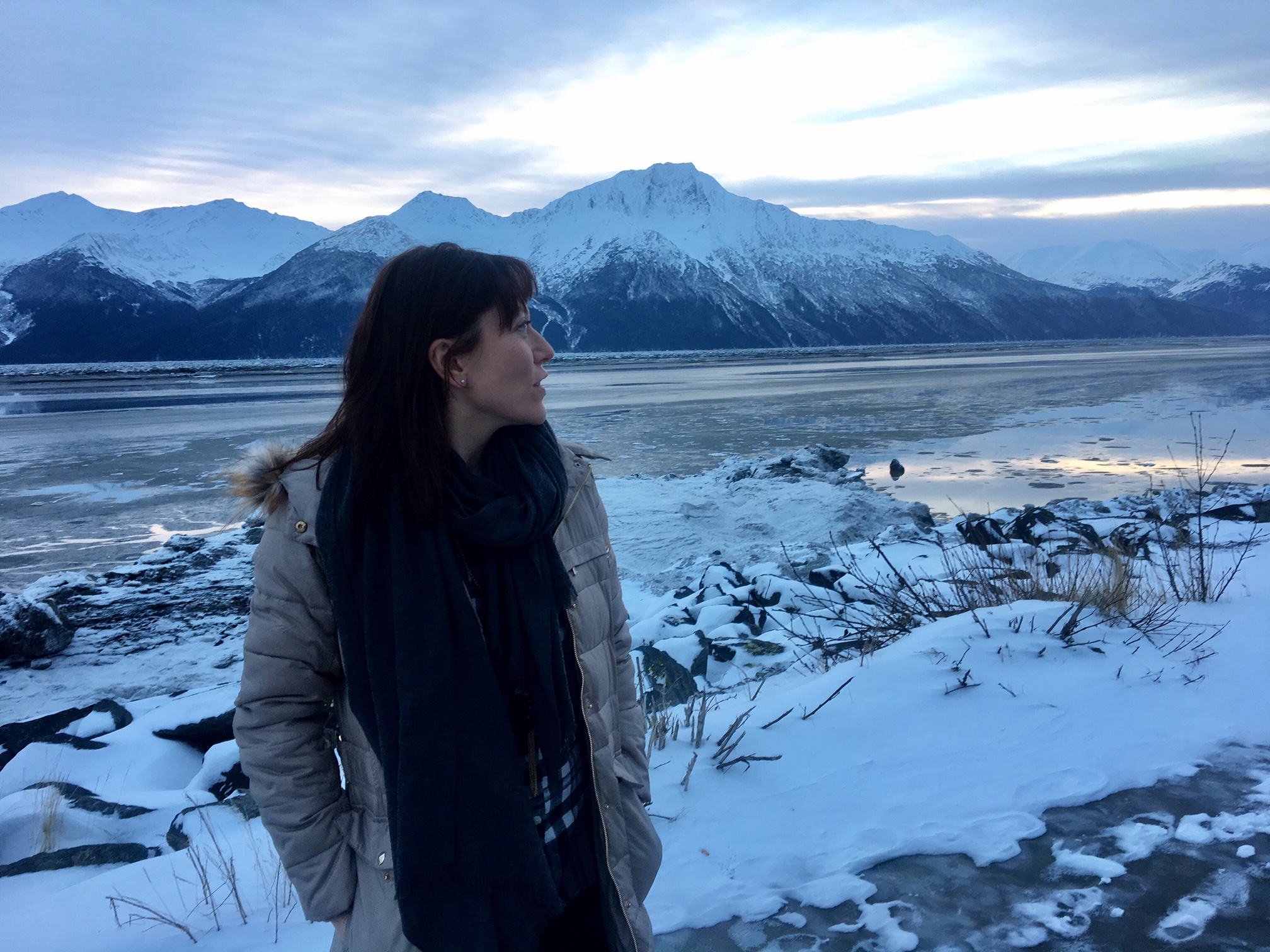
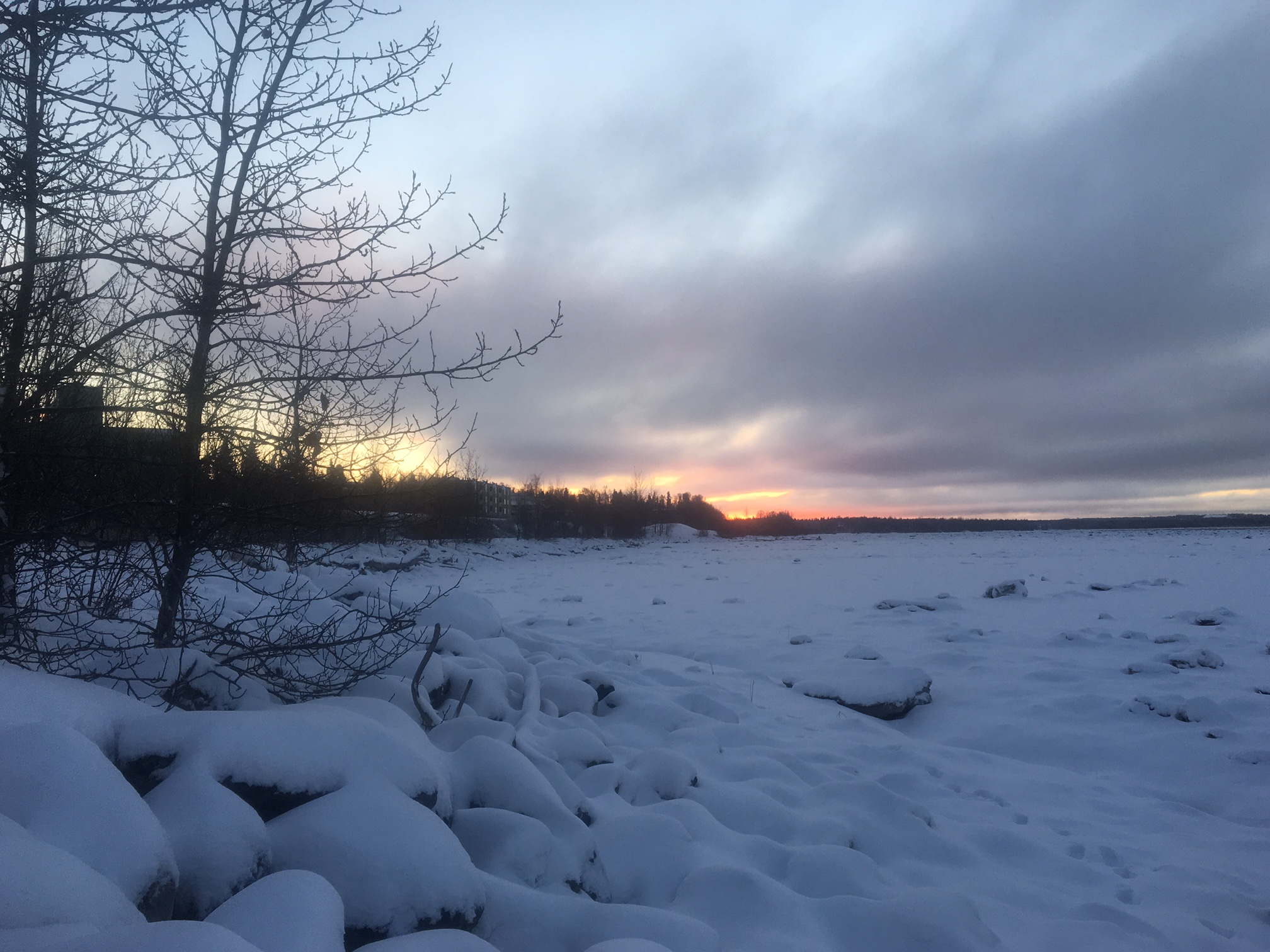
It’s just before eight o’clock in the morning, Anchorage time, on the last day of 2016.  It’s dark as night as I write this; the sun won’t rise for at least another two hours.  Winter in Alaska means limited daylight – today, there are only about six hours between sunrise and sunset – and I can’t lie:  the darkness lends a certain heaviness to everything.  It’s strangely disorienting to spend so many waking hours in the black, and the temptation to huddle indoors where it’s light (and warm) is real.  But it’s also incredibly beautiful here.  Anchorage sits at the base of the Chugach Mountains, with their majestic, snowcapped peaks towering above the city.  This time of year, Christmas lights twinkle against freshly fallen snow, and even the frozen, somewhat ominous ice floes on Cook Inlet appear to sparkle as though they’re made of magic.

fullsizerender

I’m not sure what 2017 will bring – none of us can know what the future holds – but in as much as I can control my own destiny, I’ve been making plans for some big life changes in the year ahead.  And so, it felt sort of fitting to end 2016 in the place where I grew up.  I like to think of it as going back in order to go forward.

For a lot of people, 2016 was a difficult year.  It was for me, too.  But if I’m honest, despite its challenges, it was still one of the best I’ve had in a while.  It was the first year since 2011 that I can honestly say ended more hopeful than it began.  It was the first year since losing so many people that I love, that I felt something like true healing beginning to take hold.  And it was the first year since everything spun so violently out of control that I slipped back into the driver’s seat, grabbed the steering wheel, and started living my life on purpose, again.

2016 was not a perfect year.  But as I reflect upon what’s past and where I’d like to go next, I’m proud of myself for one big reason:  this past year, I did a hell of a lot of things that scared me.  I wrote a play that was personal and came from my heart and I put it out into the world.  I traveled alone to one of the largest cities on earth, an unfamiliar maze where I didn’t know my way around and didn’t speak the language.  I boarded a bus to Nevada with a whole bunch of people I didn’t know, to spend two days knocking on strangers’ doors, asking them to vote for a political candidate that I believed in.  And – perhaps the biggest thing – I spoke up for myself, more than once, and asked for what I wanted.

img_0345

As it turns out, there’s magic to be found when you push fear aside and take a leap.  My play received excellent reviews at the biggest theatre festival on the west coast of the United States.  I met one of my heroes (Don’t judge me.  Or do, I don’t care.), Seattle Seahawks quarterback Russell Wilson, on an airplane.  I visited a psychic medium and found – for the first time in four years – some peace around my mother’s death.  And through travel, new experiences and some truly lovely people who came into my life, I rediscovered a sense of joy and wonder that I feared I had lost forever.

So, as I think about what I want 2017 to look like, I have only one New Year’s resolution:  to say yes.  Say yes to everything I want to ask for, but I’m afraid to.  Say yes to every good thing that I’m not sure that I deserve.  Say yes to every challenge I’m not sure I’m ready for, every risk I’m not sure I’m brave enough for.  Just say yes, and trust that whatever comes next will work itself out.

Happy New Year, friends.

Until next time,

Sarah

27a6ee3878a7f3d19b5114e98f20b757


The beach house.

It will be the past

and we’ll live there together.

Not as it was to live

but as it is remembered. 

It will be the past.

We’ll all go back together.

Everyone we ever loved,

and lost, and must remember.

It will be the past.

And it will last forever.

– Patrick Phillips

fullsizerender2

I found the box in a small, seaside boutique in Laguna Beach, CA, a few days before Christmas.  It was compact, rectangular in shape, and carved out of curly maple.  On the lid, an inscription: “Our memories of the ocean will linger on long after our footprints in the sand are gone.”  Perfect, I thought, as the saleswoman carefully wrapped it in tissue and secured it into the cardboard gift box that I would place into my carry-on and take with me on my flight to Seattle.

Except that it wasn’t perfect, as I discovered upon my arrival at my grandparents’ beach house two days later.  It was too small.  We had kept more of her than I had remembered.  I wasn’t sure what to do, but I knew I had to do something.  The hideous black box was no longer an option.

The next day, feeling determined, I pawed through boxes labeled “Sarah” in what had once been my grandparents’ dog kennel and now served as a repository for all the items that remained from my parents’ Olympia house.  There must be something in here that will work, I thought.

And then, among the photo albums and mementos from my high school bedroom, I found it.  I paused for a minute, thinking, running my fingers along the ridges in the dark wood.  The words “A Scientific Cigar,” and “Aromatic – Mild – Satisfying” made me giggle.  No, I couldn’t possibly. . . Could I?

I opened the box to find a treasure trove of items contained inside.  A handwritten note my dad had written to my mom, years ago, penned in his messy scrawl.  A gold ID bracelet that had once fit my child wrist perfectly, now too small, my name engraved in cursive next to a tiny diamond star.  A trio of pink Elvis Presley postage stamps (Mom’s favorite singer).  A photograph of our beloved West Highland Terrier, Max.  And an amber colored agate stone found – by me – on the shores of Case Inlet.

img_0201

I carried the box into my grandparents’ bedroom and set it down on the nightstand.  I opened the hated black receptacle and removed the thick plastic bag, surveying its contents.  For a moment, it struck me how squeamish I’d once been about handling this bag, how afraid I’d been the first time I’d pried open the black box.  But now, I was almost businesslike in my approach.  Isn’t it bizarre how the passage of time can make even the strangest things seem normal?

Inside my suitcase, I retrieved a small lavender (her favorite color) pouch, emptied out its contents (my jewelry) and gently folded the thick plastic bag inside, zipping it closed.  Secured inside that soft purple bag, nestled among the items already living within the cigar box, all that remained of my mother – that we hadn’t already scattered into the sea – just fit.

Now, I can understand why a weathered old cigar box might seem like an odd place to store my mother’s ashes.  But believe me when I tell you:  it is not just any cigar box.  Clean and without any trace of cigar smell, it once belonged to my great uncle Vernon, who died when I was twelve.  He and my mother were very close, and for much of his life he served as a gentle buffer between her and her mother (his sister), a domineering and frequently emotionally abusive woman.  When Vernon died, the cigar box was one of a handful of things that my mother salvaged from his house in San Francisco, and she – perhaps inexplicably – gave it to me as a present.  Maybe because it felt like a relic from a bygone era and I’d always been drawn to all things vintage, I loved that box.  Over the years, I’d used it to store everything from trinkets to art supplies to photographs.  And now it would contain the last of my mother, along with a handful of cherished items that reminded me of her.  As I placed the box on a window ledge overlooking the sea, I smiled and thought, “Perfect.”

fullsizerender

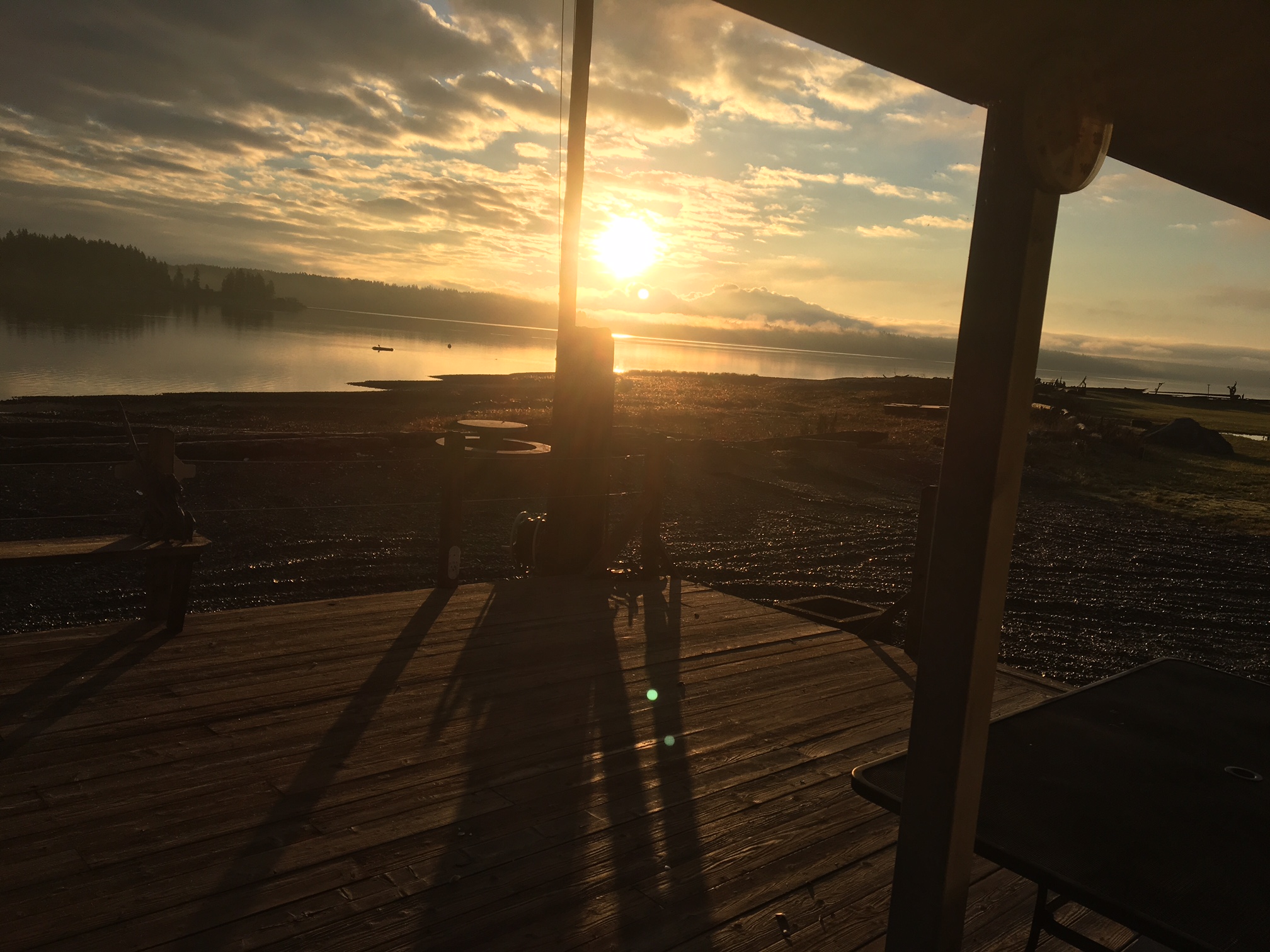
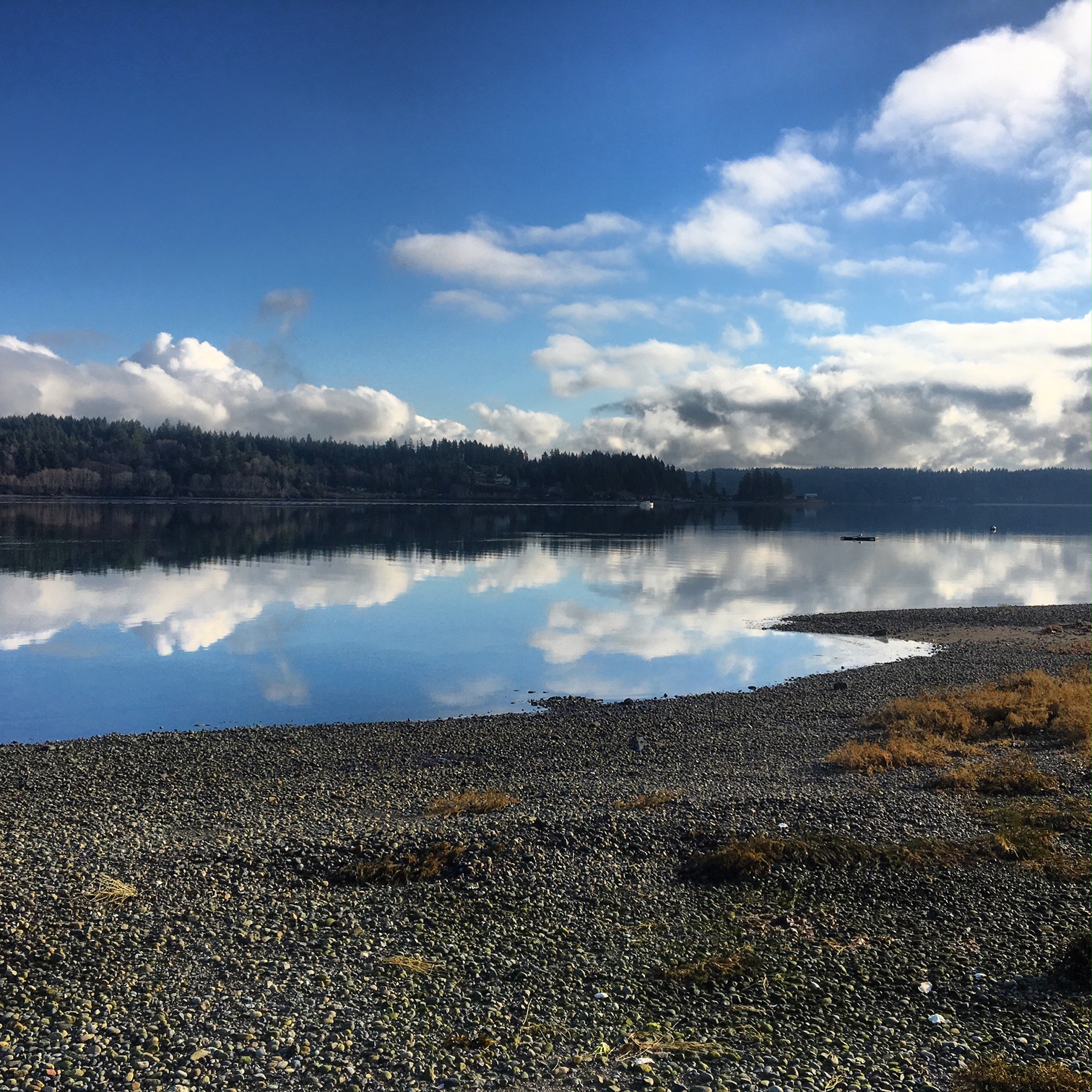
The next morning, Christmas Day, dawned bright and beautiful.  I sat at the living room table, in the same spot where Grandpa used to park his wheelchair, spending hours watching the tides roll in and out, never tiring of the view.  As I drank coffee, marveling at how blue the sky was for December, how serene and still Case Inlet was, like some enormous silvery mirror reflecting the heavens back upon themselves, a large flock of Canada geese descended from the sky and gracefully alighted onto the surface of the water.  “Look Grandpa,” I found myself saying aloud, “Your favorite.”  And then I smiled again.

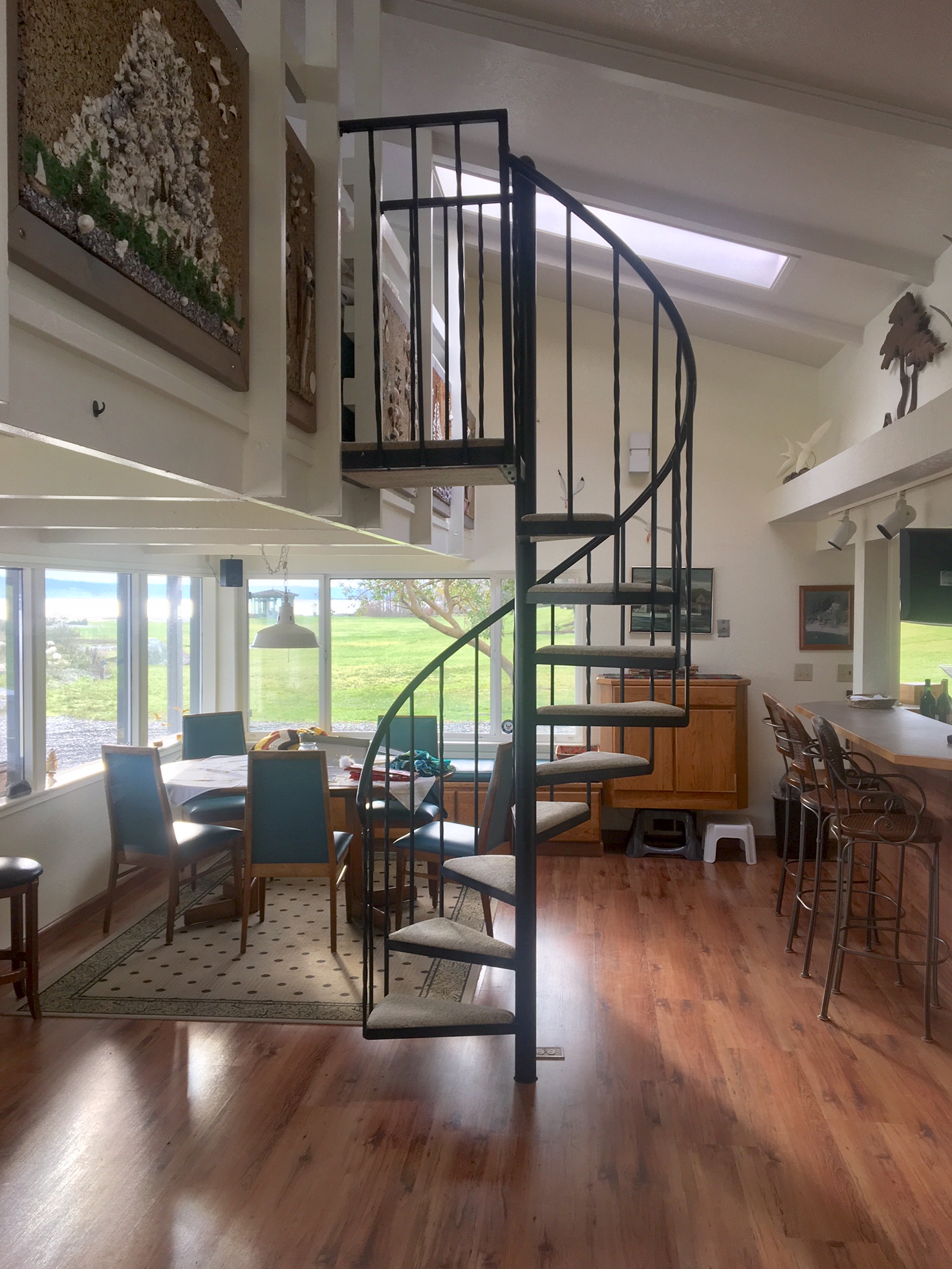
For now, my grandparents’ beach house sits empty.  But I know that someday, this house will once again bustle with activity.  There will be summer potlucks and clambakes and bonfires on the beach, just like there were in the old days.  People will gather for parties on the deck and they’ll swim in the sea and have sleepovers on the outdoor balcony, and laughter and love and life will once again pulsate through these walls.  It will look different than it once did, but it will be just as joyful.  Those of us that remain, and who remember, will make sure of that.

But sometimes, before you can move forward, you have to go back.  Not to dwell in the past, but simply to make peace with it.  To look every monster that has held you in its grip square in the face and say, “Enough.”

And that black plastic box?  That soulless, impenetrable, ugly receptacle with a faded sticker bearing my mother’s name slapped across the front?  I happily, and with great joy, threw it into the trash.  And I didn’t look back.  Not once.

Until next time, friends.
img_0221

Thirty-Six.

Every breaking wave on the shore/

Tells the next one there’ll be one more/

And every gambler knows that to lose/

Is what you’re really there for/

img_6145

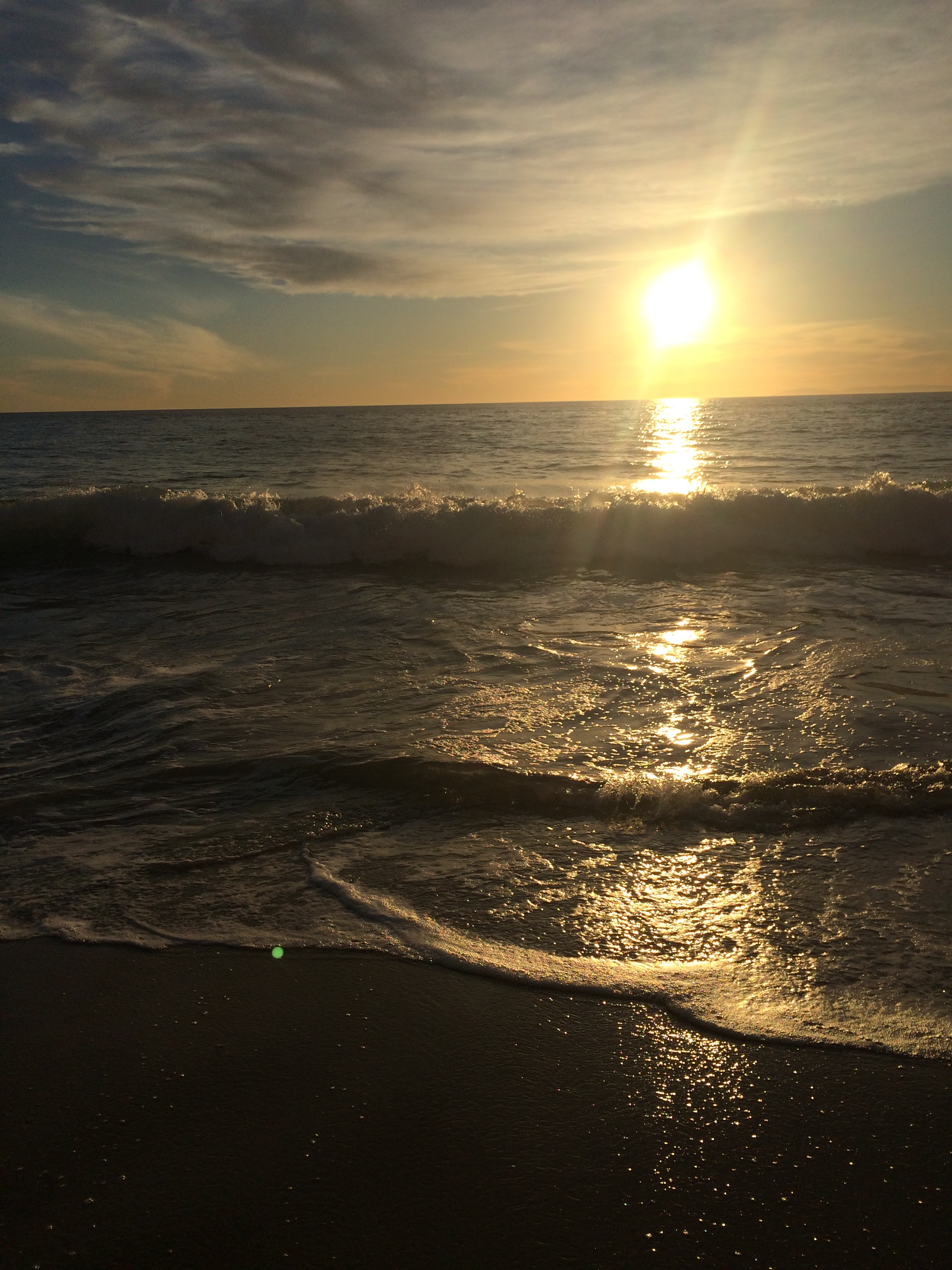
Yesterday, I needed to see the ocean.

I was staring down the looming deadline to finish my script like the barrel of a gun, I had a to-do list a mile long, and the thought of sitting in Friday L.A. traffic on the way to and from the coast was more than enough to dissuade me from making the trip.

But I’ve also learned that when the voice inside me grows loud enough, it’s time to stop what I’m doing and listen.

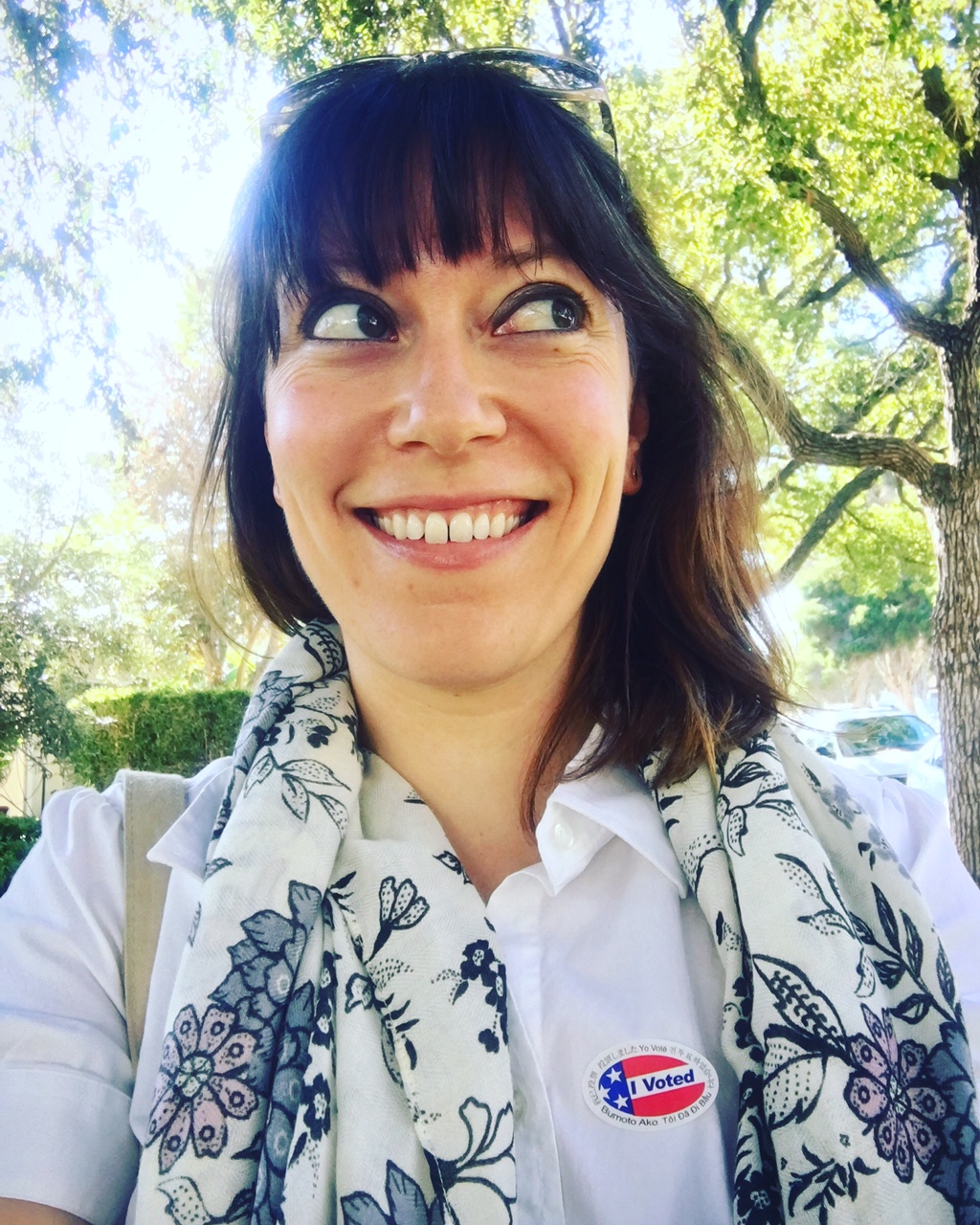
Yesterday was my birthday. I turned thirty-six.

It wasn’t the splashy present I gave myself a year ago, when I splurged on an ocean front room for three nights at Laguna Beach’s luxurious Surf & Sand Resort. But that year, thirty-five, was different. I crawled to that birthday on my knees, having just returned to L.A. after spending several rain-soaked weeks in the tiny Washington town of Allyn, seeing my grandfather through hospice. I hadn’t even had the opportunity to process the enormity of his death when I learned that the company I’d worked at for eleven years (since the age of twenty-three) had been sold, and I now had a decision to make: should I pack up my life and move back to Seattle, taking the corporate job and the sure thing? Or should I stay in L.A., where everything stable in my life had crumbled, and face an uncertain future?

img_9521

Last December, I stared out at the Pacific Ocean and I knew:  my heart wanted to stay. I wasn’t finished in L.A., wasn’t finished doing all the things I said I would do here. And I worried that if I left, I might never come back.

So I chose the scary, uncertain path. And thus began my year of going off script.

It hasn’t been easy for me to spend an entire year of my life with no real structure or plan. See, I’m kind of meticulous when it comes to planning. I’m a list-maker. I’m Type A. At any given time, I’ve got at least two calendars going, and I’m constantly filling them with goals I want to meet, and things I want to do. You should see the “Notes” app in my iPhone. Yeesh.

But life has also taught me how meaningless plans are. That plans fail. That people die. That in an instant, everything can change. And that there’s no such thing as a “sure” thing.

img_6733

So, for the last three hundred and sixty-five (Sixty-six? Wasn’t this a Leap Year? I forget. February was so very long ago) days, I embarked on an interesting experiment. I stepped out on faith and found myself supported time and time again in ways that I didn’t expect. When I needed money, it came in. When I humbled myself enough to ask for help (another thing that’s hard for me), I received it. And when I needed a different way of looking at the world, new people came into my life who taught me things about myself that I didn’t even realize I needed to know.

I regret nothing about this past year. I’m glad that I took the leap. In fact, despite some dark spots, it was one of the best I’ve had in recent memory. I learned much about life and love and faith, and, most importantly, how vital it is to trust that quiet, persistent voice inside of me.

And it is because I have learned to trust that voice, that yesterday, as I stared out at the same ocean from a year ago, on a different piece of California coastline, I had to recognize what’s true:  I am no longer OK with going off script. I am a writer, and I need an outline. I need a rough draft, a canvas to work from, a piece of text that I can – and likely, will – ruthlessly edit. I need something more than just waiting for the universe to “show me the way.” It’s time to start making decisions, and taking the risk that those decisions will be wrong. It’s time to stop talking about all the things I’m going to do “someday” and start actually doing them.

It’s time. In fact, it’s beyond time. So here I go.

I’ll keep you posted.

Until next time, friends.
img_9463

Hallelujah.

I did my best, it wasn’t much
I couldn’t feel, so I tried to touch
I’ve told the truth, I didn’t come to fool you
And even though
It all went wrong
I’ll stand before the Lord of Song
With nothing on my tongue but Hallelujah

img_9726

It was raining when I left New York, and the lyrics to that song were running through my head on an endless loop. They announced Leonard Cohen’s death the day I arrived in the city, two days after the results of a bitterly contested presidential election ripped the country apart at the seams (or rather, exposed the chasm that already existed), and one day before the anniversary of my grandfather’s death, Veteran’s Day, which also happened to be the one-year anniversary of the day I finally turned a corner on crippling grief, and decided to fight for my life.

I have been living with unanswered questions for a while now, and there hardly seemed a better place to escape from them than in gritty, relentless New York. Here, I could move faster than my racing brain, wind through subway tunnels and unfamiliar streets, dissolve into throngs of people in cafes and in crowds. I could lose myself in order to find myself. But a few days later, in the back of a JFK-bound taxicab, I knew that what I’d really found was a truth I could no longer run from: the journey I began a year ago, when my grandfather’s hospice ended and “Sarah 2.0” began, is not over.

I’ve made a good start. I’ve taken risks, both personally and professionally. I’ve traveled. I’ve volunteered. I’ve said no to things that weren’t right for me, and yes to things that were, and in doing so, I learned plenty about myself that I needed to know.

But I haven’t kept all of my promises. Not to myself, and not to those people for whom all I have left is a memory. I have been lazy. I have been afraid. I have wasted too much time on too many things that don’t matter.

One of the biggest, scariest things I did in the past year was to go see a psychic Medium and ask for her help in healing from the death of my mother. Whether you believe in Mediums or not, it was quite a thing for me – someone who never, ever, asks for help – to admit that this loss had carved such a hole in me that I couldn’t move forward with my life without a helping hand to guide me through it. And whether you believe that I communicated with my mother or not, what I do know is that whatever happened in that living room, on that sunny afternoon last July, helped me.

One of the things that came up during my session with Medium Fleur had nothing to do with spirits, or the afterlife. It had to do with me. Fleur told me that I’m meant to be a writer, and that I should be writing more. “You’re very talented,” she said, “but you’re lacking in self-confidence. It has to do with believing that you deserve it. Once you believe that you deserve it, everything is going to open up for you.”

fullsizerender

OK. This is the part where I get really honest, and really vulnerable. I have never, ever, believed that I deserve it. Not really. I am driven, and ambitious, and I have always, always, worked hard, but deep down, I don’t think I’ve ever truly believed that I deserve to be happy, or successful, or to get all of the things that I want.

Last summer, when my one-act play War Stories opened to rave reviews at Hollywood Fringe Festival, I not only worried that something bad would happen, I expected it. I mean it. The reviews were so good that I was sure that, to even the karmic scale, I was going to get into a horrific car accident, or choke on a chicken bone, or that a drone was going to descend out of the sky, and take me out.

And now that the first version of that play was well-received, that feeling is even worse. Because now there are people looking forward to the next incarnation, people who are coming from out of town to see it, people who are expecting it to be good. So of course, even though the show opens in two and a half months, I haven’t finished writing it yet.

Sometimes I wonder if choosing to be a writer, and choosing to write this play in particular, makes me a masochist. I’m serious. It is scary as hell to sit down with yourself, alone, and try to figure out how to say things that are true, things that matter, things that make people feel something. And to write a play about love? The most personal, vulnerable, universal emotion of all? It’s no wonder I’m procrastinating.

But. I am only two weeks out from my next birthday, and only six weeks out from the end of 2016. And I’ll tell you something else that’s true:  I am tired of not keeping my promises. I am tired of running. And I am more than a little tired of feeling like I don’t deserve it.

And so. I’m going all in. Because I have to. Because the only remedy is to do the work. Because the only thing that soothes the ache within me is to channel it into something creative, and to make that creation as compelling and as evocative and as heartfelt as I can.

I might fail. I might fall flat on my face. But there’s no more running from this. Because the only way out is on the jagged, treacherous path that runs directly through.

And who knows? Maybe somewhere along that path, I might even discover that I do deserve it, after all.

Until next time, friends.
fullsizerender1

November.

In the four years that I have been writing Extra Dry Martini (really, three years, with any regularity), I have never once posted about politics. I try to keep my subject matter non-partisan, because it’s important to me that this blog remains a safe and welcoming space for everyone who reads it. At times, keeping my impassioned opinions out of my writing has proven difficult, mostly because I am a politically minded person who comes from a politically minded family. My father, who, for better or for worse, taught me how to fight for what I believe in, was a ferociously liberal Irish Catholic Democrat who advocated for social justice, thought the Kennedys were Gods, and never (if I’m being totally honest), met a Republican that he liked very much (or at all).

fullsizerender

I had planned to write another blog post. A post that would commemorate this Friday’s one year anniversary of my beloved Grandfather’s passing with a joyful retrospective about embracing life, about celebrating all of the parts of him that live within me, and about looking toward a still uncertain future with optimism. But I can’t write that blog post. Not today. Because today, one day after a U.S. Presidential election that shocked the world, my heart has been cracked open and I simply can’t pretend to be anything other than consumed by an all-encompassing grief. And so, I am turning to the one thing – the only thing – that has seen me through in times of heartbreak: writing.

I don’t have the energy (or frankly, the desire) to engage in a political debate. The election is over. And though I did everything I could (OK, not everything, but a LOT) to help defeat the man who will become America’s next President, I sincerely hope that he succeeds. Because I want America to succeed. Because I love my country. And because I love my friends and my family and I want all of us – even those who disagree with me (sorry, Dad) – to be OK.

Although I have been politically minded my whole life (I vote in every election, no matter how small, or how local, and I am a serious geek when it comes to studying up on the issues), I never got involved in a political campaign in a meaningful way until this one. Partially because this has been my year of “if not now, when,” but primarily because I truly admire, respect and love my party’s nominee.

img_9701

For most of her political career (other than her tenure as Secretary of State), it has not been popular or cool to say that you admire, respect and love Hillary Clinton. And I think that might be the main reason why I admire, respect and love her so much. Because she is a woman who has succeeded in a man’s world. Because she is tough as nails and makes no apologies for her toughness. Because even as she has been consistently, relentlessly criticized by haters for things that have nothing to do with her experience or intellect – her lack of “likability,” her “shrill” voice, her pantsuits – she has spent her life trying to make the lives of those less fortunate than her better. And I admire, respect and love her because for all of those reasons (and for many others), my mother admired, respected and loved her, too.

So today, I am grieving. And I am missing my mother something fierce. But I am not a defeatist. While I am admittedly deeply concerned about the future of my country, I still hold on to hope. I hold on to the amazing human beings – volunteers, voters, and field organizers – that I met while knocking on doors to get out the vote in the battleground state of Nevada. I hold on to the fact that now that I have experienced what it’s like to be meaningfully involved in a political campaign, there’s no going back; I will continue to engage in public service for the rest of my life. And I hold on to the fact that – like my father – the fight within me is fierce, and I will keep that fight going for as long as I can, in all the ways that I can.

Don’t worry: Extra Dry Martini is not going to turn into a partisan blog. I am sure that, in the busy weeks and months that lie ahead, I will find plenty of other things to write about. But today, like so many of my fellow Americans, I am grieving. And if I have learned anything about grief it is this: you don’t heal from it by ignoring it. Sometimes, going all the way in is the only way to go.

Thanks for listening.

Until next time, friends.
img_9651

A thousand steps.

Raise my hands/

Paint my spirit gold/

And bow my head/

Keep my heart slow

– Mumford & Sons

sunset

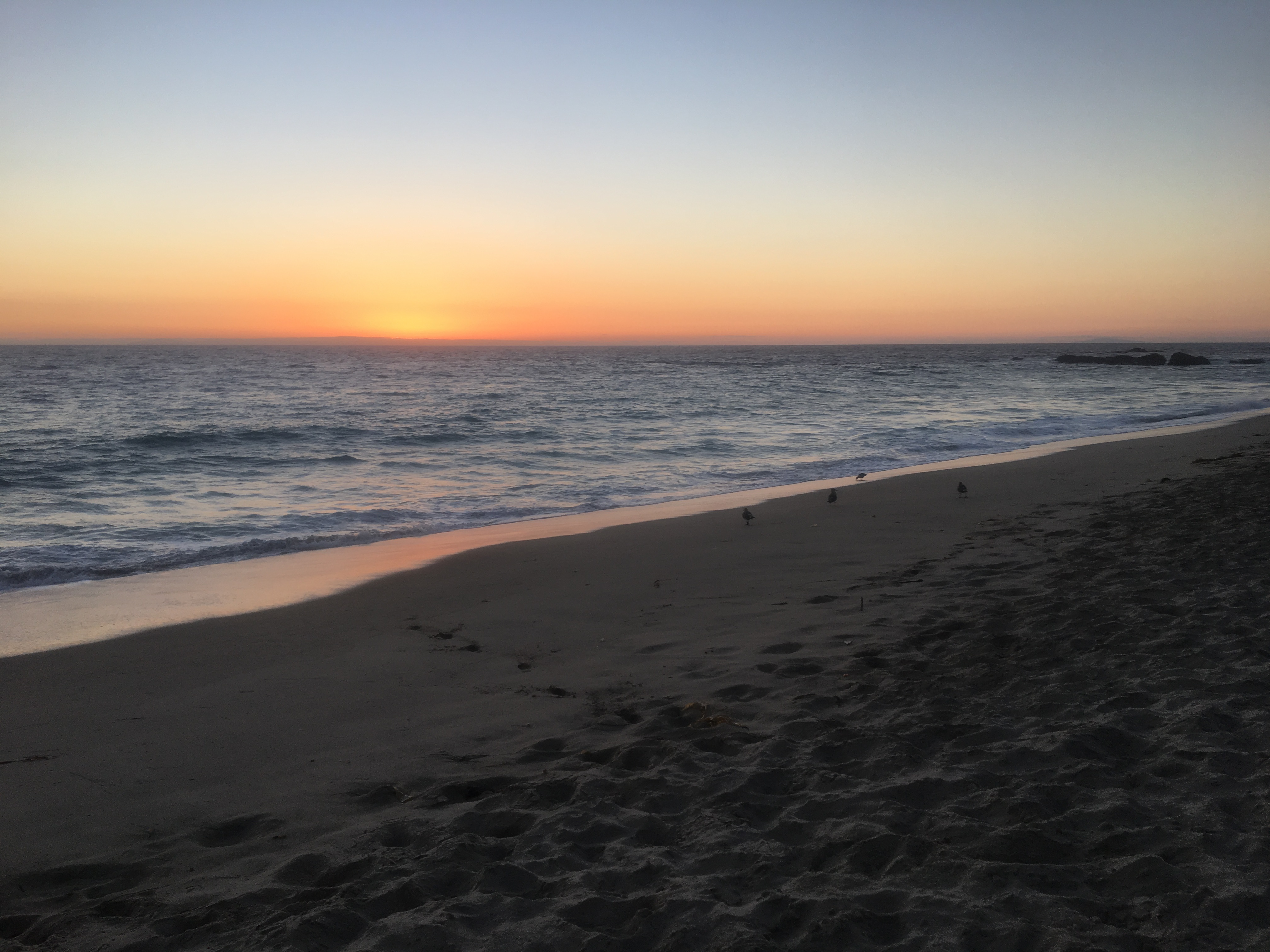
Thousand Steps was not as warm as we had hoped. After descending the many flights of steep stairs from Pacific Coast Highway all the way down to the beach, we found a spot near the shore and spread our towels out on the sand. But after just a few minutes, an enormous white cloud drifted overhead, blocking out the sun. As a cool breeze began to rise off the ocean, we could no longer deny it: it wasn’t exactly beach weather on this mid October day in South Laguna.

Rachel suggested moving to the north end of the beach and settling at the base of a bluff, in hopes that it would block out the wind. We did, and to my surprise, it worked. Stretching out across my striped beach towel, I suddenly felt warm again. And before long, the clouds parted and the sun’s rays fell across my face and sleep began to overtake me. I turned on my side to look at Rachel and laughed because she was already out, her chest rising and falling in peaceful rhythm.

I thought about my phone – all the way back at Rachel’s apartment where I had left it, because this was just supposed to be a quick “beach break” – and I felt my anxiety rise thinking about the texts and calls and emails I could be missing. There was a lot going on back in L.A., and even though I’d come here on a working vacation, I felt slightly guilty for making my escape in the midst of such a chaotic week. But my phone was too far away to retrieve: up that steep, steep flight of stairs (certainly nowhere near a thousand steps, but still enough that when you were climbing them, the name felt warranted), and then another few blocks away, and then up another hill. And besides, I was so tired. What the hell, I thought. I’ll just close my eyes for a minute. And so I did.

I’d been in Laguna Beach for two days, seeking respite from the constant construction noise rattling the foundation of my tiny one bedroom bungalow. The quiet and the ocean view certainly helped my productivity, as did the company; I couldn’t imagine a better work buddy than my college friend Rachel, a talented, hard-working creative director who’d spent years hustling in Nashville and New York. And while it felt good to be productive (two days in, I’d already completed a handful of freelance projects, returned a ton of pesky emails, and spent several hours diving into the next draft of my play War Stories), I knew that what was really important was all the stuff in between the work. After all, years from now, would I really remember the items I’d checked off my to do list, the projects I’d completed, the business I’d handled? I doubt it. What I would remember were the ways Rachel and I procrastinated doing that work, like the impromptu fashion show where she tried on her most impractical dresses, or the careful attention we paid to re-arranging her tea drawer, or the spectacular tangerine sunset we watched slipping below the Pacific, while we talked about our big life questions, the kind of questions that come with the territory when you’ve bid farewell to your old life but aren’t yet sure where your new one is taking you.

surfer-girl

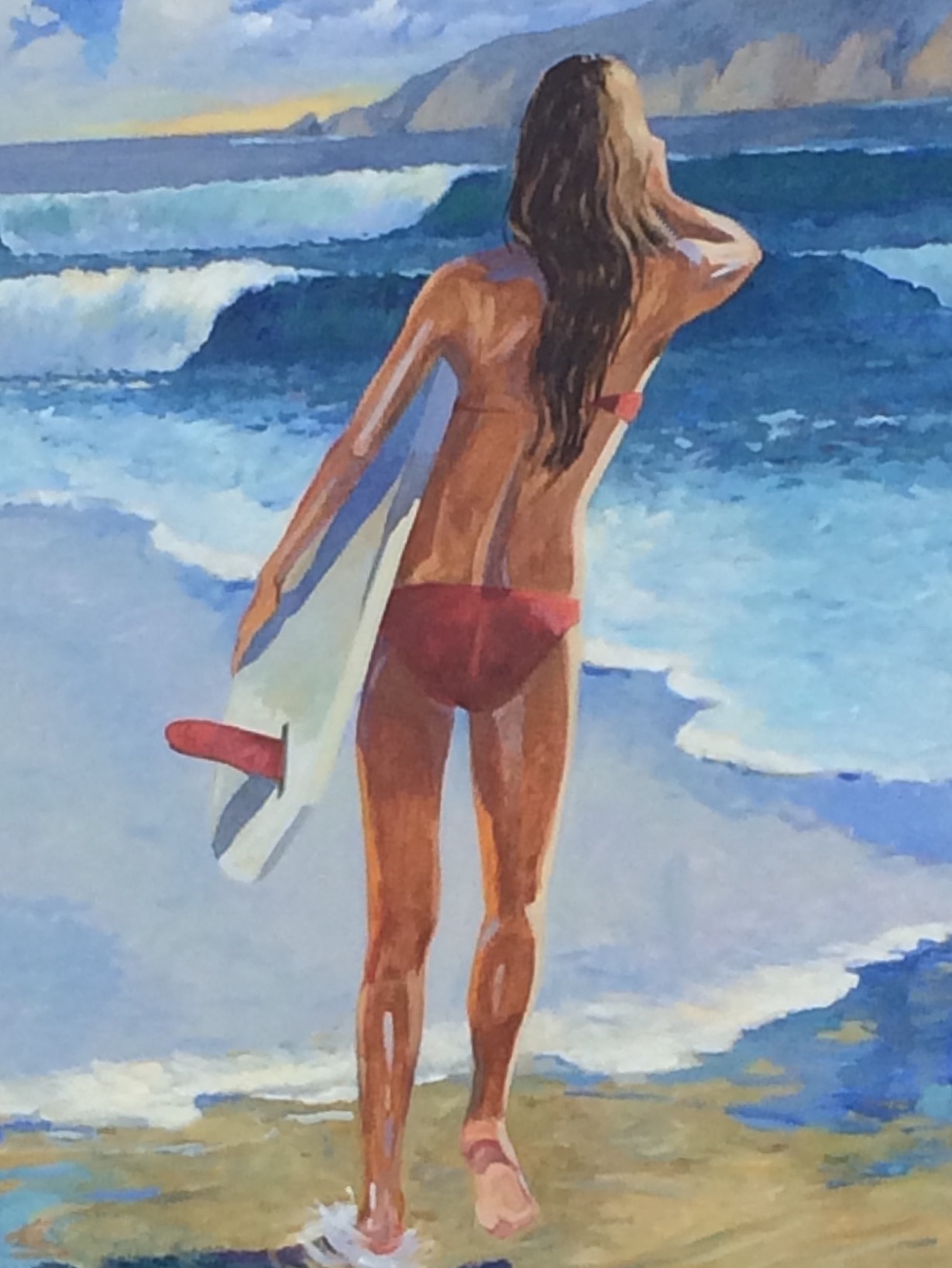
Waking up from my nap, I rolled over and glanced at my friend. Still asleep. She needs it, I thought. I got up, stripped down to my swimsuit, and walked toward the ocean. The waves were cold and the surf was big, so at first I just tiptoed along the shoreline. But gradually I waded in deeper, up to my waist, and the waves rushed in faster and with a force, until one of them knocked me down. I got up, laughing, because I knew that somehow, I needed that, that wakeup call, that reminder not to take everything so seriously.

It has been six months since I left a full time job to strike out on my own. Six months, and I’m still no closer to having a plan, or any sort of long-term strategy. Instead, I’ve just been moving from moment to moment, experience to experience, freelance job to freelance job, with as much travel as I can manage in between. In the absence of a traditional job, people usually assume that I must have tons of free time on my hands, but in fact, the opposite is true: I am busier than I’ve ever been. Maybe it’s due to the fact that I’ve been filling my time with activities that I actually enjoy. Or maybe it’s because I’m moving more slowly these days, finally allowing myself to acknowledge the impact that the intense emotional trauma of the last few years has had on my body. Or maybe it’s just that – with an altered consciousness – I am feeling my life differently, aware of how rich and meaningful it is, and there simply never seems to be enough time to do all the things I want to do.

These past six months, I have often wondered how it’s possible to feel so light and so heavy, all at the same time. But as I wade through the waves, the powerful surf crashing around me, I know the answer: its just life. Tomorrow, I’ll head back to Los Angeles, and in the space of twenty-four hours, I’ll attend a remembrance for a friend who died suddenly and unexpectedly, work a volunteer event geared toward empowering teen girls, and celebrate the marriage of a dear friend. Light and heavy, all at the same time.

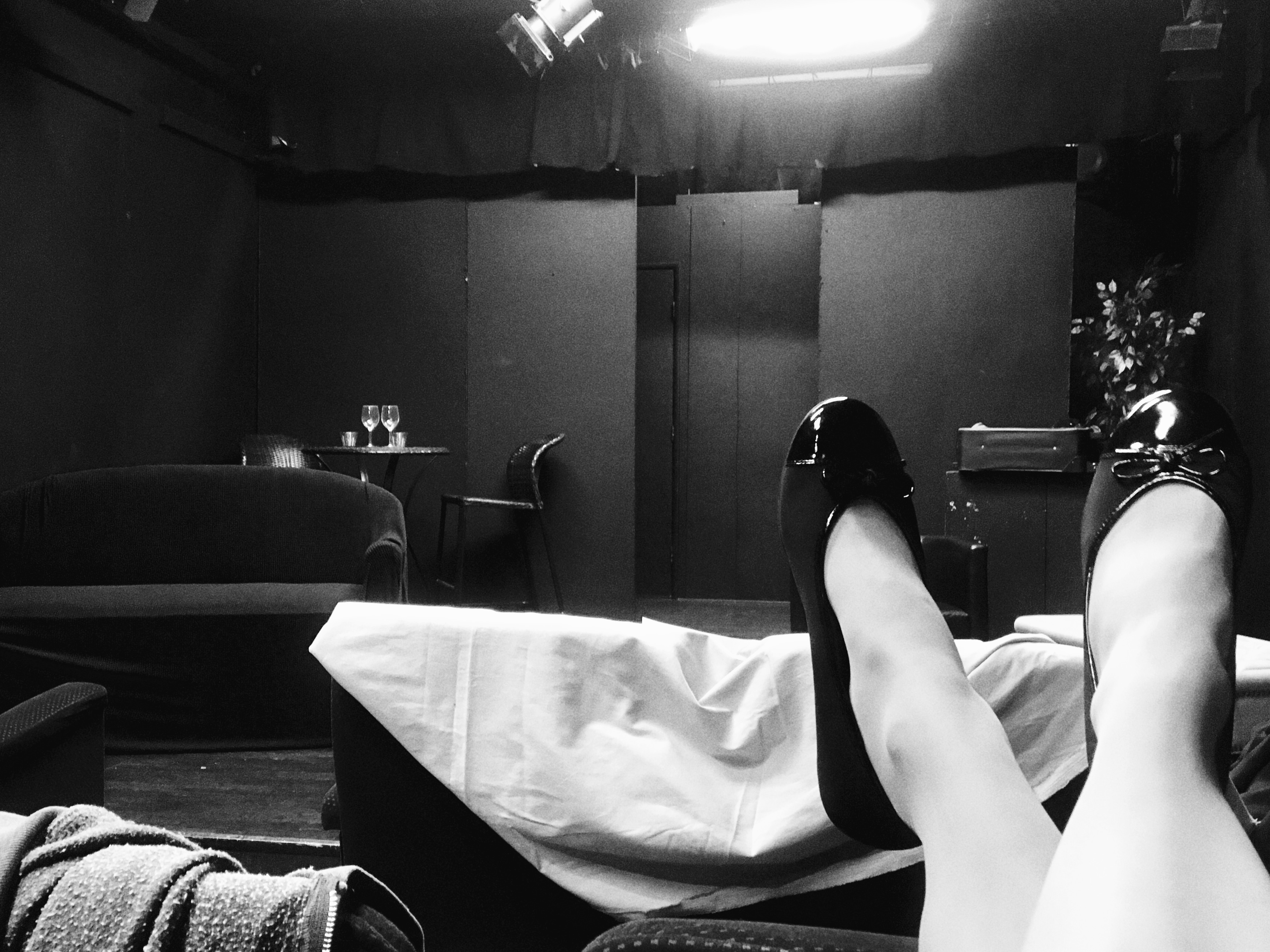
I don’t know this as I stand waist deep in the Pacific, staring out at the horizon, but tomorrow, as we gather in a small theater in Sherman Oaks to pay tribute to the friend gone far too soon, I’ll stand on the stage and speak words that will surprise me to hear myself say out loud, words about how this man inspired me and how I want to live my life differently because of him. And as I say them, I’ll know that they’re true. And later, another friend who I haven’t seen in awhile will tell me: “You’re a different person than you used to be, and that’s a good thing.” And I’ll realize that maybe it’s not so terrible to have these unanswered questions, and to live them, and to let life unfold as it will. Maybe I shouldn’t worry so much about where I’m going, or about what it all means. And maybe by simply taking those one thousand steps, one at a time, the future will take care of itself.

Until next time, friends.
img_9413

Falling or Flying.

There was nothing particularly special about that Wednesday, other than the fact that it was the day that I would drive my Grandfather’s old powder blue Honda CR-V along curving country highways, eventually leading to a bridge, and that I’d drive over that bridge, and I’d cross that body of water, and then, once on the other side, I’d go to a business meeting, followed by a much-anticipated dinner with a dear friend. There was nothing particularly special about the minute or so that I’d spend up high, suspended over water, moving fast. After all, I’d done it dozens and dozens of times before. There was nothing special about it at all, except for the fact that it terrified me, and the night before I was due to make that drive, I couldn’t sleep, and I rose early, well before the sun came up.

Rowboat Sunset

In retrospect, the details of how I crossed that bridge don’t seem all that important. What is important is that I had to do it, and so, I did. I did it even though my palms sweat and my heart raced and my legs were wobbly and strangely on fire. I turned up the song on the radio, and I focused on the exhale and the inhale of my breath, and I thought about how Mount Rainier – standing strong and snowcapped and stunning just out my driver’s side window – felt like an old friend. And before I knew it, I was over that bridge, and I had steered Grandpa’s car from the highway on to the crush of Interstate-5, and I was relieved.

The next day, on the way to meet some friends for lunch, I followed different winding country highways to Olympia, the town where I went to high school, the town where I’d learned to drive, the town where I’d first dreamed my biggest dreams and made the plans that sent me to Los Angeles to pursue them. And this time, I felt better, almost normal, in fact, because the sun was shining and the water was sparkling and I felt happy. And I barely thought about that other time, that December, driving those exact same roads, hurtling through the darkness, Dad next to me, drifting in and out of consciousness, the wind pummeling my mother’s SUV and the rain spitting buckets, so much rain that the windshield wipers couldn’t keep up, and I gripped the steering wheel with everything I had just to keep us on the road, all the while stealing glances at my father, wondering if he was sleeping or dying, saying a silent prayer with every mile marker we passed, because every mile brought us closer to home, even though it wasn’t home any more, not since Mom died, not since Dad got sick.

I came of age driving Washington State’s rural highways, snaking over waterways and crossing bridges and winding through forests, so how could it be that the thing that raised me had now become the thing that frightened me? I suppose that’s the power of post traumatic stress, the way that it can shake you and alter your consciousness, making you feel like a stranger in your own body, making you doubt everything you thought you knew. I’m not a solider. I’ve never served in the military. But I’ve been to war. And I won; or at least I think that I have. But on some days, and in some ways, those battles still rage on.

Puget Sound

I recently told a friend that I didn’t think I’d ever feel safe again. The remark was off the cuff and meant to be a sort of joke, but in truth, I meant it. My whole life, I’ve struggled with anxiety, but I didn’t know how to name it, or how to talk about it. Instead, I tried to control it, to deny it, to tamp it down. And for a while, I was convinced that I had beaten my fears into submission. But then along came a tornado of tragedy, a violent storm of death and loss that quickly and swiftly eviscerated my carefully constructed façade that I was brave and strong and that I had it all together.

The storm taught me that nothing in life is certain, a scary prospect for a control freak like myself. But it also taught me that the only way out is through, and that if I don’t want my fears to control me, I have to surrender to them, to walk into them, and to thank them for being here, for reminding me of what’s important.

I had been staying at the beach for almost a week when something rather strange happened. I was paddling around Case Inlet, soothed by saltwater, utterly tranquil, when not far away, a curious seal popped his head above the water. He stared at me and I stared back at him, and before logic or reason could intervene, I began to swim towards him. Sensing a threat, he dove beneath the surface of the water. But I kept on swimming, and as I did, I made my voice a song and cast it out across the sea. “Hello, Mr. Seal,” I said. “Don’t worry, I won’t hurt you.” And he seemed to understand, because he popped his head above the surface again, and froze there for a minute, just looking at me.

Side View of the Cabin

This went on for several minutes, our water dance, the diving and re-emerging, both of us circling each other, watching, considering, keeping a safe distance but drawing ever closer. I wondered what he made of me, this strange fish in black and white bikini bottoms and ruby red rash guard and faded orange swim fins. And when we were quite close to each other, he dove under again, and as I treaded water, looking for him, I suddenly realized something: I was a long way from shore, and I was alone, and in the murky saltwater, clouded up as it was by sand and seaweed, I wouldn’t be able to see the seal coming, wouldn’t know where he’d emerge next, and if he decided to attack me, or bite me, or pull me under the water, I wouldn’t be able to escape.

And there it was, that fear again, pulsing through my veins like a jolt of ice water. I turned toward the shore and I swam as fast as I could, legs pumping, swim fins slicing though the bay. And several moments later I turned back and I saw my seal again, further away now, but still watching me. He cast one last curious glance my way – a sort of sad farewell – and then turned to swim off in the opposite direction. And in that moment, I knew that he had never meant to hurt me, just like I had never meant to hurt him.

I’m a realist. I know that I’ll never fully be free from the fears that plague my worried mind. On some days, I feel pretty good, like I could do just about anything. And on other days, like the Wednesday when I drove over that bridge, it was all I could do just to get through it. I used to think that soldiering on and suffering in silence was brave. It’s not. It only makes the fear worse. What is brave is being vulnerable enough to talk about the places that scare me, and to run the risk that by telling you that sometimes, when I’m driving my car on the freeway, I feel like I’m moving so fast I won’t be able to stop and I’ll fly through the windshield and hurtle into space, that you’ll think I’m crazy and irrational. And maybe you will. But then again, maybe you won’t. Maybe you’ll read this and think, “Oh my God, I thought I was the only one,” and you’ll realize – as I’m realizing – that none of us are truly ever alone in this strange and beautiful experiment we call life.

Can we ever really know if we’re falling or flying? I’m not sure. But maybe the answer to that question is simple. Maybe it’s the ones who decide to fly – in spite of their fears – that are the ones who do.

Until next time, friends.
Sarah Black and White

Blog at WordPress.com.