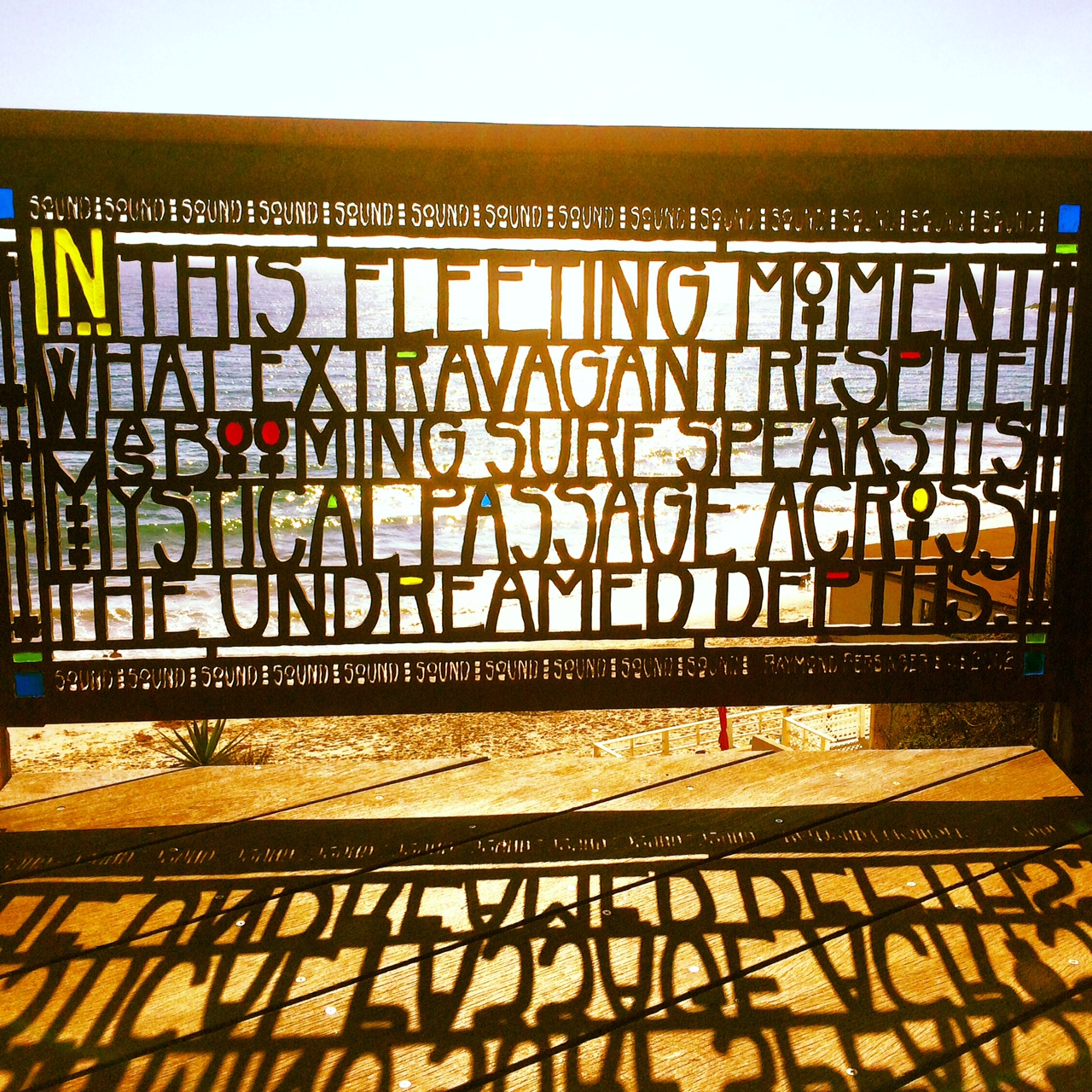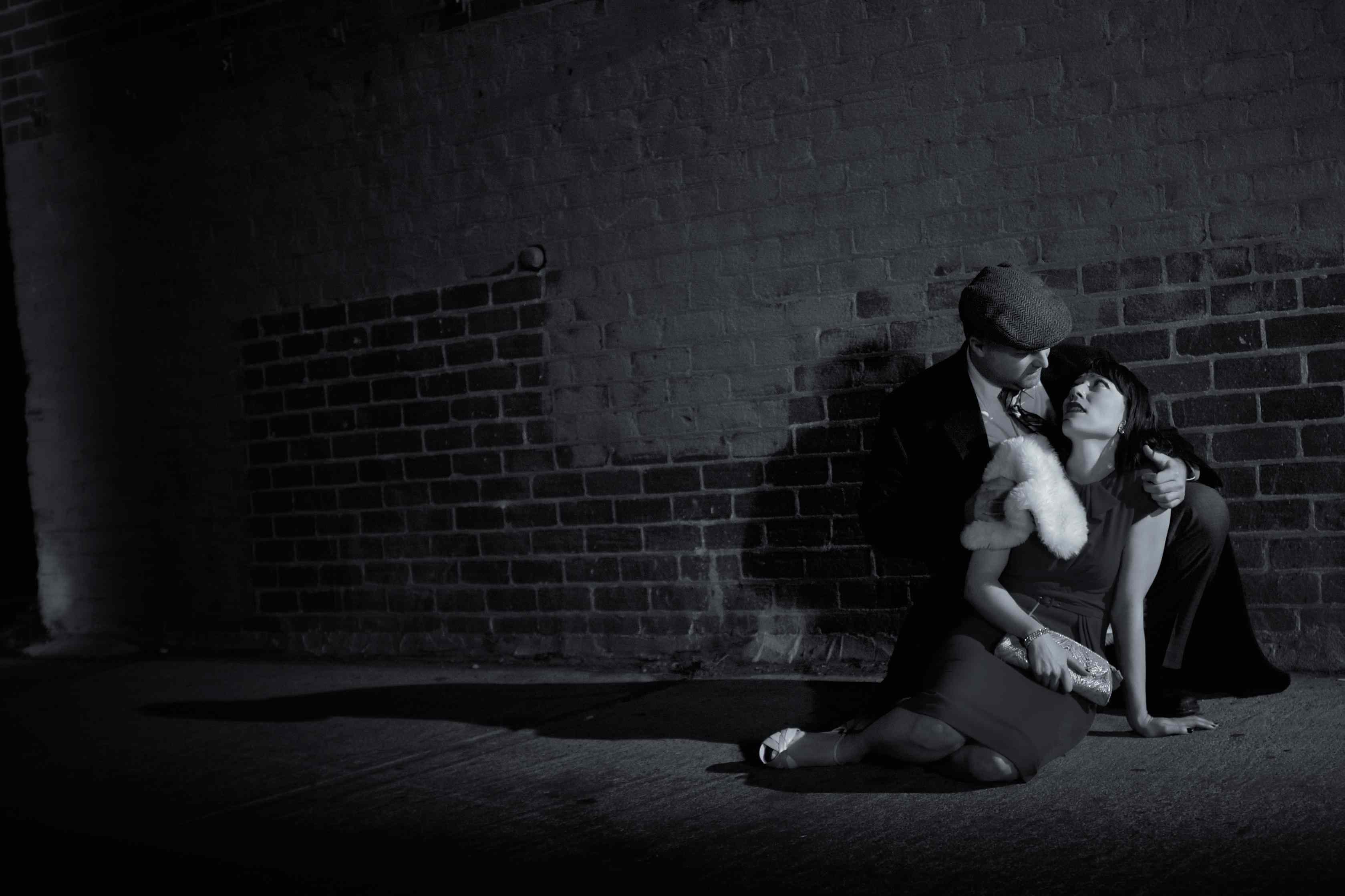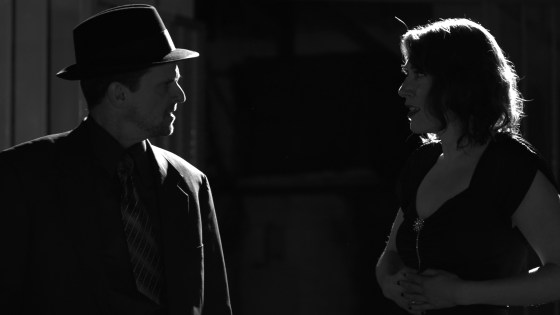
The best laid plans.

The best laid plans of mice and men often go awry.

– To a Mouse,  by Robert Burns (paraphrased from the original Scottish text)

My Dad used to quote that line.  He quoted it a lot.  My Dad used to quote a lot of things – literature, poetry, Shakespeare.  He was well-read, intellectual, with a flair for the dramatic.  All of those things I’ve just said are a complete understatement.

It’s funny the way that his favorite words find me, now that he’s gone.  How they grab me.  How a piece of text will pop into my head out of nowhere and I’ll hear it echoing in my brain, always in his voice, deep and tinged with a hint of laughter, a dash of Irish mischief.

I used to roll my eyes when Dad would quote some famous piece of text, theatrically, in that way that he did.  It would verge on melodrama, but he really meant it.  Or at least, he sold it well.  During his court-mandated stint in rehab after a drunk driving incident, Mom would tell me stories of how Dad charmed everyone, how he brought other rehab patients to tears with his eloquent quotations of some of Shakespeare’s most famous sonnets.  He impressed everyone, even the addiction  counselors.  But Dad was never serious about getting sober.  He just wanted to win the room.

It’s so strange the way that our subconscious mind puts things together, so weird and wonderful the way long forgotten memories come flooding back when we least expect them to.  Now, when one of Dad’s favorite quotes pops into my head, I figure  it must be because I needed to hear it; it’s some lesson I’m still learning.

Just like the line, the best laid plans of mice and men often go awry.  If ever there was a line reverberating in my brain lately, it’s that one.  Because my life these days is nothing like I thought it would be ten years ago, or five years ago, or even a few months ago.  I’ve learned (or am learning) that nothing is certain, except uncertainty.  As I try to hold on to the hopeful optimism that’s been a constant companion throughout my life (when I was a girl, Dad used to call me ‘Polyanna’), I find myself in a frequent tug of war between long-held dreams and current, inescapable realities.  And as much as I know that the surest path to freedom is to release my expectations, let go of the past, embrace the moment, and move the F on, it is a heck of a lot harder to do that than the Buddhists would have you believe.

In fact, I’m not even sure that letting go of expectations is entirely possible.  How can you?  If you do something, anything, in your life – take a job, make a plan, start a relationship, a friendship, a project,  you buy tickets to a concert on Saturday night – you have a picture in your mind of how it’s going to go, don’t you?  You anticipate.  You dream.  You imagine the outcome.  It’s what we do as human beings.

So here I am, with all of the best laid plans I made for my life gone completely awry, wondering what now?  And so I take comfort in those words.  Because I’m not the only one to make big, grand plans that just don’t work out.  I’m not the only one to build a dream and then watch it crumble.  I’m not the only one to feel like I’m too old, too lost, too hopeless to start over, and yet start over I must.

Thanks for that reminder, Dad.  Thanks for allowing those words to come to me – via you – just when I needed them the most.

Until next time, friends.

This blog.

I need to spend less time on this blog. It pains me to say that, but it’s true. It doesn’t mean abandoning it, it just means giving a little less of myself here, so that I have a little more of myself to give somewhere else.

IMG_2525

I am so grateful for Extra Dry Martini. I’m grateful for what it began as, and I’m grateful for what it has become. I started blogging just a few short months before my entire life hit the skids. As events shifted and spun around me, what started as an experiment to indulge my love of the written word rapidly became a lifeline. It became a vehicle to help me process overwhelming grief and loss, and was often my only avenue to connect with the outside world when I felt desperately alone. I know that writing is no substitute for therapy, but this blog became therapeutic because it enabled me to articulate my thoughts and feelings, to write them down, to look at them, and to realize that they didn’t have to define me. This blog has helped me gain clarity about who I am and who I want to be in a deep and profound way. It’s simply impossible to imagine my journey over the last two years without it.

Publishing a weekly blog post is intensely satisfying. It makes me feel a sense of accomplishment because in a relatively short amount of time, I can find a beginning, middle and end, and when I’m done, I get to share my post with the world. Writing is a lonely process and I’ve been very lonely as of late. Publishing regular blog posts assuages that loneliness and makes me feel a sense of connection and purpose. It allows me to dialogue with friends and fellow bloggers and to receive their feedback and validation.

But feeding the instant gratification that I crave has also allowed me to forestall bigger dreams. If I can feel validated as a writer in this space, why should I bother to tackle a larger, lengthier, more challenging piece? If I can share little bits of my soul each week, why should I bother to write the whole thing out, to map out my entire past, present and hopeful future? I love writing this blog, but it’s time to admit it: I have been using it to procrastinate. I have been using it to resist the pull of my bigger, more all-encompassing story. I have been using it to avoid what really scares me: to tell the truth, all of it, in long form.

IMG_2522

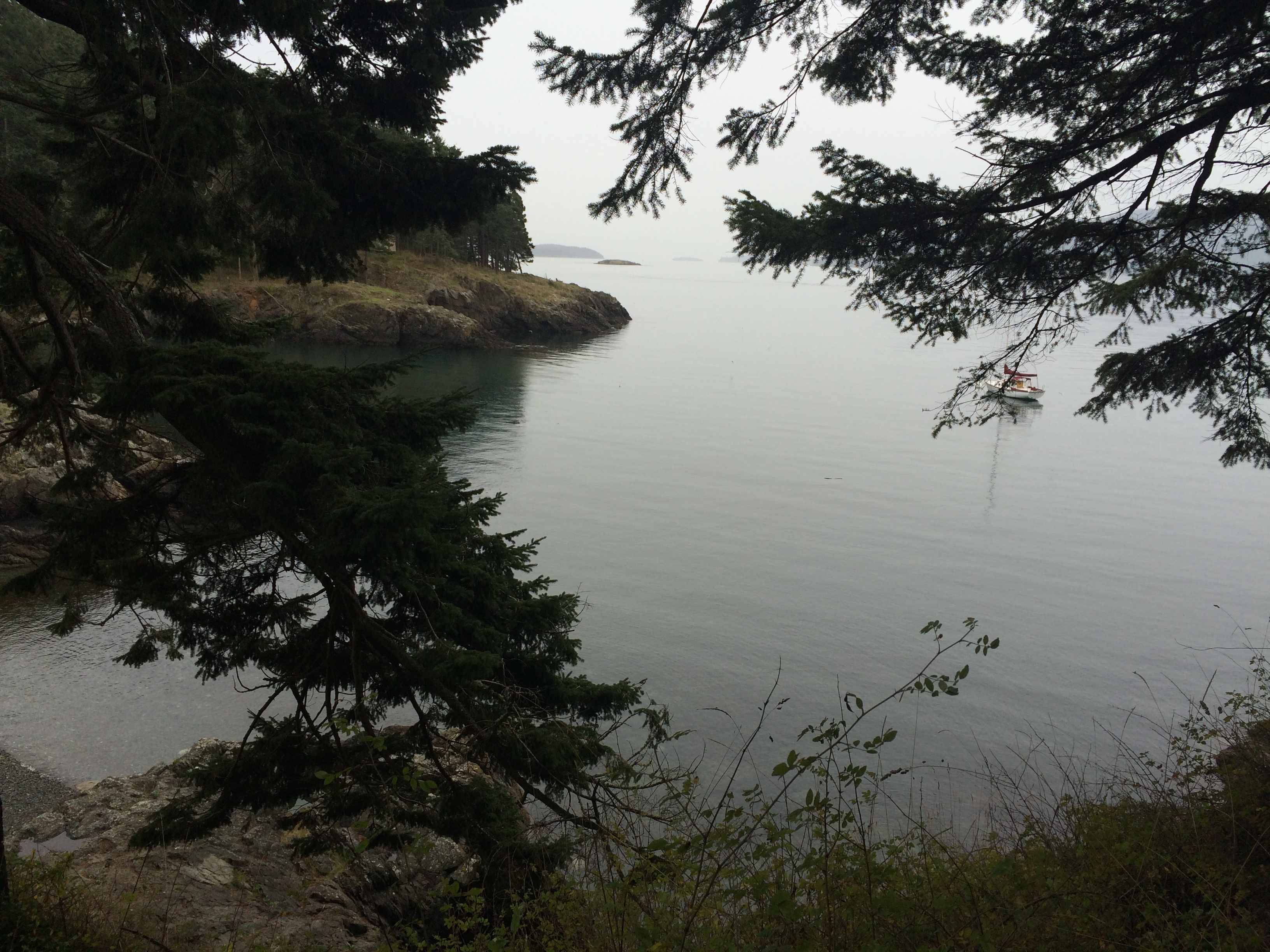
I’ve just returned from an intensive writing workshop on Orcas Island in northern Washington State. The workshop was actually less about writing and more about unlocking creativity and giving yourself permission to live the life you dream of. At least, that’s what it was about for me. Over the course of three and a half days, I listened to the stories of other writers from all walks of life and all different types of backgrounds. I focused inward. I asked myself some big questions. And what I came away with was this: I need to make a change.

This blog is intensely personal to me. It has formed the core of my heart over the last couple of years and has, at many times, served as my best friend over a difficult and tumultuous 2014. I don’t have any plans to abandon it. But the reality is, my life is full. I have too many things I want to do – admittedly, a good problem to have – and not enough time to do them all. And if I want to tackle some of the bigger writing projects that have been tugging at my heartstrings – projects like finishing my semi-autobiographical screenplay and writing my memoir – I have to make time and space in my life for them. Starting now.

I’m not exactly sure what that’s going to look like. Maybe it means enforcing a time limit on garbage activities like surfing Facebook or watching TV. Maybe it means that my posts here become a little shorter and a little less polished. Or maybe it means that not much of anything will change for the people who have been faithfully reading this blog, but the change will simply be an internal shift that only I’ll notice. I’m not sure yet. What I do know is that that the change needs to happen, and l’m approaching it in the same way I approach every topic I write about on Extra Dry Martini: with as much openness and honesty as possible.

Thank you for supporting me on my journey. You have no idea what it has meant to me. You have no idea what it will continue to mean as I move forward and throw my arms around the big, scary, what’s next question. So thank you. Thank you for reading. Thank you for helping me along the way.

And here I go.

Until next time, friends.

Xo

Sarah

IMG_2500

The Other Side of Fear.

Over the last couple of years, several of my friends have called me brave. I’ve sat with them over meals, over coffee, over wine, in cafes, in restaurants, in bars, in movie theaters and on park benches. These gatherings – to catch up, to check in, to touch base – have more often than not involved them asking how I’m doing, and me, trying to spin things toward the positive, trying to portray life in the best possible light, trying to smile because I’ve grown so weary of all the tears.

DSCF1351

Inevitably, the ‘brave’ word comes up. But I don’t believe it. It doesn’t feel like me.

Why brave, exactly? Because I watched both of my parents die at a relatively young age? Because I weathered a year of incredibly hard things? Because I’m still weathering hard things? Because through it all, I’ve kept going, rather than falling apart?

But really, what choice did I have? Life is a surprise, unfolding events over which I’ve had no control; over which none of us has any control. Like it or not, the truth is that I’ve had little choice but to accept everything that life has thrown at me, and try to move forward. So how exactly, does that make me brave?

I suppose the realization of just how little control I have should make me feel a certain amount of freedom, right? After all, since nothing can be done, what’s the point of worrying about the outcome, or of feeling afraid?

But it hasn’t worked that way. In fact the opposite is true. The certainty that nothing is certain has, ironically, only amped up the control freak in me, has only elevated my every anxiety. My fear of heights? Worse. My fear of flying? Worse. My fear of just about everything? Worse.

photo 1

So when people call me brave, I want to laugh out loud. I’m afraid of my own shadow, people. I’m like a little kid all over again, except not, because when I was a little kid I wasn’t afraid of things like I am now. Call it a lack of awareness of my own mortality, call it blissful ignorance about the fragility of human life, call it the magic of childhood wonder and amazement, call it the ability to create with reckless abandon without fear of judgment. Call it all of those things. But whatever you call it, I wish I still had it, instead of this pervasive, paralyzing certainty that danger is everywhere and that nothing is safe.

I am not, nor have I ever been, a passive person. I’m hyper aware of the fact that I’m afraid of everything, and it pisses me off. I hate it. One of my best – and worst – qualities is that I’m stubborn as an ox, and when I feel the fear snaking its icy fingers around my neck, I fight. I realize the irrationality, the pointlessness of my fear, and I struggle to put myself in situations that scare me. I fight my impulse to stay home, hiding under the covers. Over the last few months, I’ve forced myself out of the house to meet new people, to join new groups and organizations, to try to stand on my own two feet as this different person I’ve become. I’ve tried to be braver with my writing, recounting personal things that are difficult to talk about. I’ve tried to be braver with my art. I’ve started projects that I’m worried will fail. I’m worried that, ultimately, I will fail.

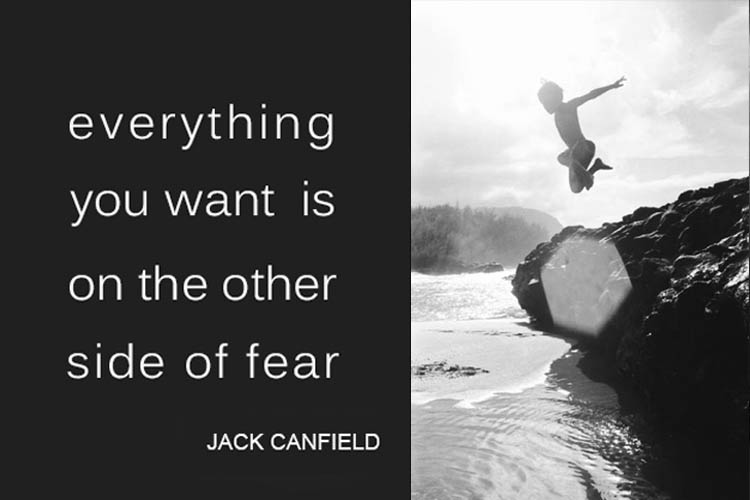
Most of the time, I feel like a fraud, because I’m not brave at all. But I want to be. I’ve pinned the Jack Canfield quote ‘Everything you want is on the other side of fear,’ to my bulletin board and I read it so often that the words echo in my brain. And I resolve to keep fighting the icy fingers snaking around my neck.

doe-bay-resort1

Tomorrow, I’m leaving on one such fear-fighting mission. I’m heading to a writers’ retreat on a remote island in northern Washington State. A whole day of travel to get there – planes and shuttles and cars and ferry boats – and then 3 ½ days spent sharing a cabin with strangers, delving into things I can’t even imagine, but that I can only assume will be personal, vulnerable, and hopefully life-affirming. It’s like summer camp meets the first day of school on steroids. I’m terrified. And I can’t wait.

I am not brave. I am about 100 miles from brave. I am fragile. I am easily broken. I am afraid most of the time. But I am also angry. I am fighting. And I am doing everything I can think of to get to the other side of fear. I hope this weekend helps. I hope I find something on that island, in those Washington woods, that I didn’t have before. I hope it teaches me something I didn’t already know. I hope it makes me just a little bit braver.

Wish me luck.

Until next time, friends.

everything-you-want-is-on-the-other-side-of-fear-peur-dépasser-jack-canfield1

Time Out.

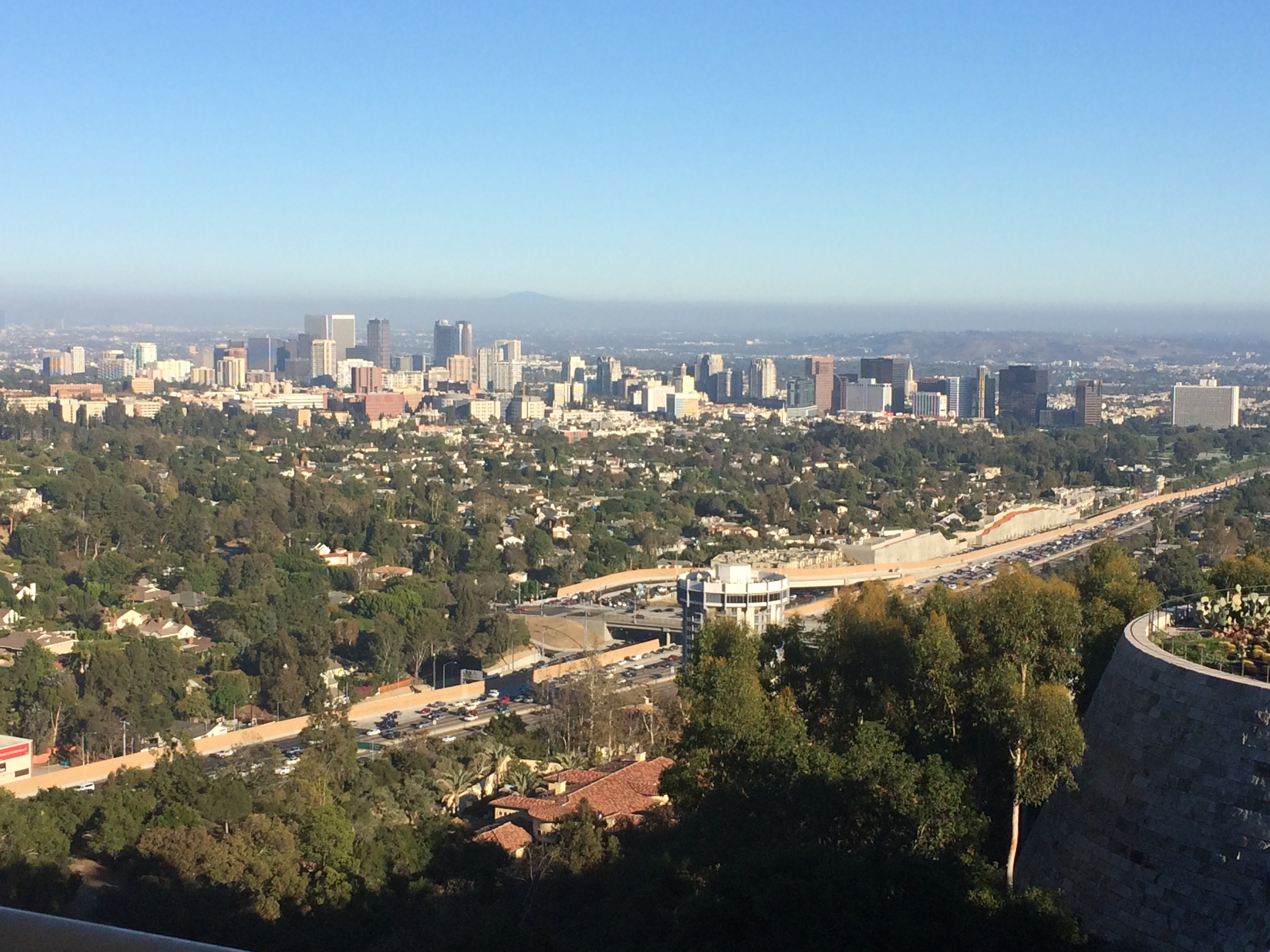
A gentle breeze blows across the outdoor terrace as I sit underneath large stone columns, sipping iced coffee, scribbling in my journal, occasionally looking up from my writing to stare out and scan the hazy blue L.A. skyline, reminding myself where I am. It’s a Tuesday afternoon, the first day of fall, and I’ve reserved these few hours as a much-needed time out. To be with myself, to write, to wander and to daydream. It’s something I rarely do, but today, it seemed important.

IMG_2370

It’s amazing how protective I am of this time. How annoyed I am that the Getty Center should be as busy as it is on a weekday afternoon well past Labor Day. I have to restrain myself from glaring daggers at the woman who plops down at the table right next to me – really? There are at least two dozen other tables scattered across this expansive patio. Why choose that one? I flinch at the shrill shriek of a child, and then scowl at his parents. I cringe at the clusters of people who hover for a time right next to my chair, talking loudly, oblivious to any concerns about personal space.

I shouldn’t be annoyed. After all, I chose to come here, to this public place. If I wanted solitude, I should have stayed at home. But solitude is something I’ve had too much of lately. My one-bedroom bungalow is fine for privacy and quiet concentration, but it doesn’t offer much in the way of inspiration. It doesn’t offer many opportunities to fill the well, to stimulate the senses, to let in new experiences, to promote new ideas. I can work and work and work, but the well of creativity quickly runs dry without new images, new life, to draw from.

IMG_2353

I suppose that’s why I’m here. It’s why I rose early to get my work done so that I could take the afternoon off. So that I could ascend to this beautiful place high upon a hill, so that I could browse artwork and gardens, so that I could look down and marvel at this massive metropolis that I call home.

I didn’t really come here to write. I knew I wouldn’t get much done, though I made a valiant attempt at it. I came here to be. Because on this beautiful September day, the first day of fall, a day which also happens to be the second anniversary of the death of my mother, I told her that I would. I told her that I would try harder to reconnect to my life. To allow myself to gaze with wonder at beautiful things that she would have enjoyed, like the texture of the paint on Van Gogh’s Irises, and the lush vegetation and tranquil streams in the Japanese garden, and the stunning stone architecture that’s everywhere in this place.

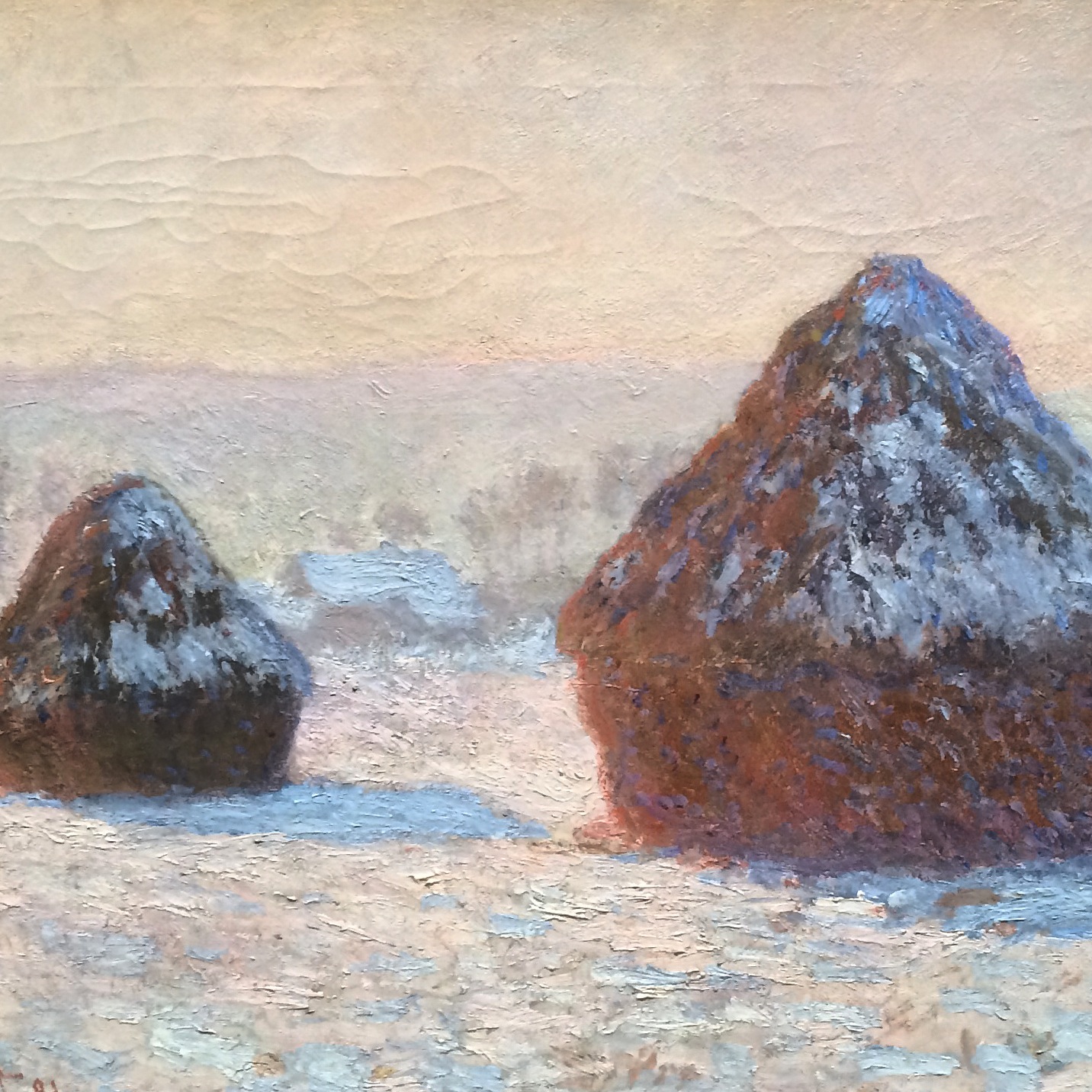
I told her that I would, and so I did. Or at least, I tried. I wandered the West Pavilion and lingered for an inordinately long time among the small but stellar collection of Impressionist paintings. I walked to a lookout point and stared down at the city, at the suckers stuck in gridlock on the 405 freeway, grateful that at this moment, I wasn’t one of them. I put away my phone, taking a hiatus from the emails and the texts and the Facebook messages, recognizing all the while how difficult it was for me to do this, and that was exactly the reason why I should.

IMG_2348

I find it nearly impossible to take time outs like this. Time outs just to be with myself and to think and to reflect and to not have to do anything. Chalk it up to my OCD, but relaxing is almost guilt-inducing for me. I always feel like I should be accomplishing something, not just sitting around. Even when I watch a movie, it’s something I’m studying for acting class. Or when I really need to do some deep thinking, I’ll go for a run, because at least I’m getting a workout in at the same time.

But all of this compulsive doing hasn’t done much to help me out of the lost space I’ve inhabited these last couple of years. Checking things off the to-do list – while satisfying – hasn’t done much to help the cavernous, nagging hole in the pit of my stomach. Productivity hasn’t cheered my flagging spirits or healed my persistent heartache. I have been doing a lot, but clearly I have been doing something wrong.

So, on this day, I made a promise to my mom that I would take some time out – even just these few hours – and I would soul search. And I would listen to what my soul said, and I would act.

IMG_2366

I suppose I can’t expect one afternoon to solve all of my problems. After a few hours of taking in beauty, of soaking in the sunshine, of trying just to be, I didn’t feel any clearer than I did before. I didn’t experience any profound epiphanies, and I didn’t feel any closer to knowing ‘what’s next’ for me. But I’m still glad I did it. I’m glad that I allowed myself this time. Mostly because it made me recognize that I need to do more of it; to make space in my life for time like this. To relax. To be still. To imagine. To dream. To take in the world and to wonder about it. And to breathe.

Perhaps knowing that – and doing it – is a start. At least, for now.

Until next time, friends.

The things my mother gave me.

Scan 142120032

Today makes two years. It was two years ago today, on September 23rd, that I received the worst phone call of my life. It was Sunday morning and I was still in bed, my phone in the other room. I heard it ringing, distant, the musical jingle breaking through the quiet September morning. I rolled over slowly, a sense of unease already stirring in the pit of my stomach. It was too early; who could be calling? Not that early, true, but early for a Sunday. The first football game hadn’t started yet. On Fox, Terry, Howie, Jimmy and the gang were still making their predictions about which teams would win, still letting fantasy owners know which probable and questionable players were active.

I lifted myself up out of bed, crossed the room, and picked up my phone. I retrieved the voicemail, a tearful message from my Aunt Sandy, my Mom’s brother’s wife, telling me it was an emergency, telling me to call her, or my Dad, at home. I called Dad. I should have called her.

I think about that moment – that decision about who to call – often. I wish I could go back and redo it. My Aunt would have been gentler, would have been kinder when delivering the news. But it was my Dad that I wanted to talk to. My Dad, hard of hearing, elderly, gravely ill with stage four pancreatic and liver cancer. My Dad, who was incapable of softening the blow. ‘Mom’s dead,’ he said, across the line, distant, emotionless. The bottom fell out.

And so they began. Two years that would shake and stretch and shape me. Two years that would threaten to shatter me. Two years during which – at times – I struggled and fought and kicked and screamed and rebelled against circumstance, insisting upon being OK by the sheer force of my will. And two years during which – at other times – I gave in. Two years during which I almost gave up. Two years that carved a hole in my family, that carved a whole in my sense of who I thought I was.

Today, as I stand on the other side of those twenty-four months, scanning the distance between then and now, thinking about what and who I’ve lost, and what – ironically – I’ve also gained, there’s one image that’s burned in my mind.

10525590_10203354589998704_100421518368571484_n

The image I can’t escape is of the last time I saw my mother. She is standing in the driveway of my parents’ house in Olympia. Rail thin, slightly disheveled, though she had pulled it together quite significantly from her collapse of a few days prior. Pulled it together for me, I suppose. We’ve just hugged goodbye, and after providing her with a list of caretaker referrals to help with Dad, after securing a promise from her that she’ll find a counselor, that she’ll talk to someone, I board the airport shuttle. As I turn to wave goodbye one last time, there’s a look on her face that I don’t think I’ve ever seen: it’s soft, yet sorrowful, with an intensity that’s completely unfamiliar, an intensity that’s very unlike my one-hundred-miles-from-intense mother.

I’ve thought about that moment many times over the last two years. I’ve wondered if she knew then that she was dying. I’ve wondered if she knew that this would be the last time she’d see me, her only child. I’ve wondered if the reason the look was so unfamiliar, if the reason she held me in her gaze so intently, was because she knew this was it, and she was trying to memorize my face. I’ve wondered if, in that moment, she was trying to memorize my face for all eternity.

There are so many gifts that my mother gave me; she was generous to a fault. There were cherished treasures that she bestowed upon me while she was still alive, and equally valuable gifts that I could never have anticipated receiving after she was gone. In addition to the ruby and emerald rings, the gold pieces from her jewelry box, the vintage wardrobe gems like two pairs of knee high Finnish leather boots, a Chloe scarf, a pink hand-beaded Leslie Fay cocktail dress, there are other, less tangible, things I take with me. Lessons about the person I want to be, based on who she was, and who she wasn’t. There are qualities I strive to emulate – her kindness, her compassion, her generosity, her sweetness. There are things I’ll never achieve. I’ll never be as good of a chef as she was, never master her green thumb in the garden. And I’m definitely not as nice as my mother was, not as giving, not as yielding. I’m more stubborn, more argumentative, more selfish.

stub021

But many of the qualities that I admired about my mother also let her down. I can see now that she never took time for herself, never set boundaries, couldn’t say no to the demands of others, even when they were outrageous. I can see how people took advantage of her, and how she let them. I can see how she absorbed every harsh word, internalized every worry, how insecure and how fragile she was. I can see how she burned out, how she couldn’t ask for help, even when she desperately needed it.

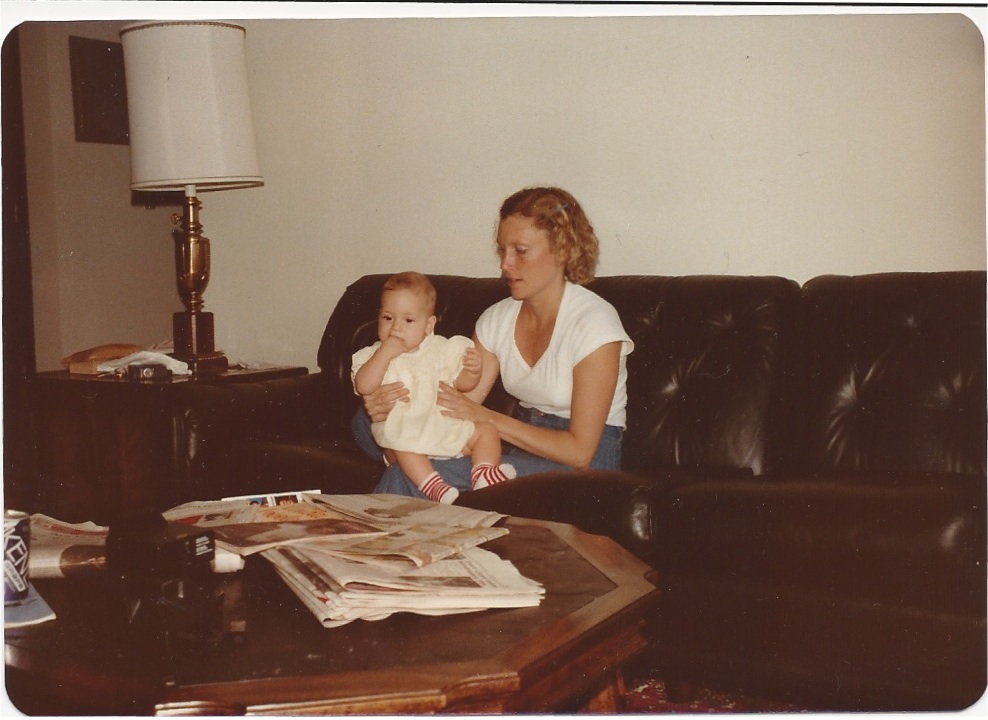
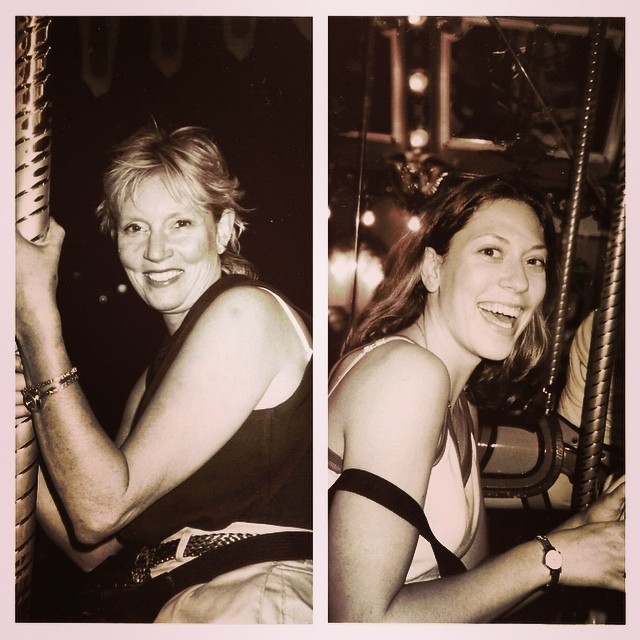
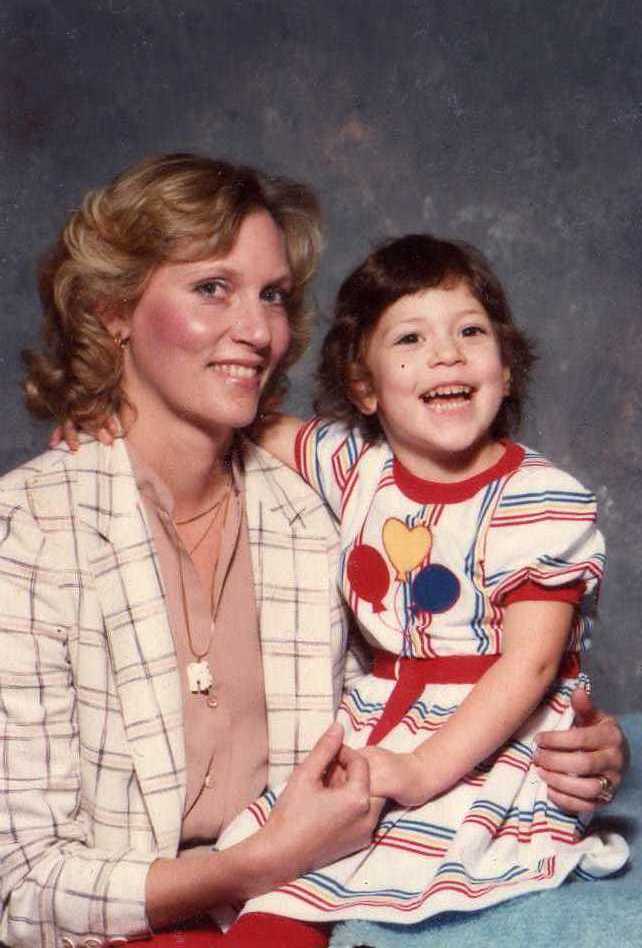
People who knew us both tell me that we’re alike, my mother and I. We have the same smile, the same laugh, the same mischievous sense of humor. We look alike and we even sort of talk alike. I’m grateful for all of it. But (I’m sorry, Mom), I’m also grateful for the ways that we’re not alike. I’m grateful that I’m able to set boundaries in order to protect myself, in ways that you couldn’t. I’m grateful that I’m strong enough to say no when something isn’t right for me. And I grateful that, though, like you, I’m strangely resistant to asking for help when I need it, I’m beginning to overcome that. I’m starting to ask. And I’m learning that when I ask, help tends to arrive, and it really does, well, help.

So on days like today – which are often – when I’m missing my Mom so badly that it threatens to overwhelm me, I try to hold on to what I know is true: my mother loved me, she wanted my happiness above all else, and she wouldn’t want me to use something like her not being here as an excuse to give up. She would want me to keep going. She would want me to be strong in ways that she couldn’t. She would want me to embrace my life.

Today marks two years since I lost the most important person in my life. Before I know it, it may be ten, twenty. But what time, what death, what grief can never wipe away are all the beautiful, generous gifts that my mother gave me. And on this day, two years hence, I pledge this gift to you, Mom: I promise to never stop pushing. I promise to take nothing for granted. I promise to be happy in every way that I can. And I promise to do all of these things, even when it’s hard. Even on days like today. Especially on days like today.

Thank you, Mom. I love you. I’m so grateful for everything you gave me.

Until next time, friends.

Scan 142500001-2

Olympia.

We left Anchorage on a bleak, snowy day in late November. It was just after Thanksgiving, and just before my fifteenth birthday. I remember how bitterly cold it was. I remember snow-topped Atlas Van Lines moving trucks parked in the driveway in front of our house, a stately, three-story slate grey Alaskan chateau on Hidden Lane. I remember sulking, dragging my feet, not wanting to go. I remember little else.

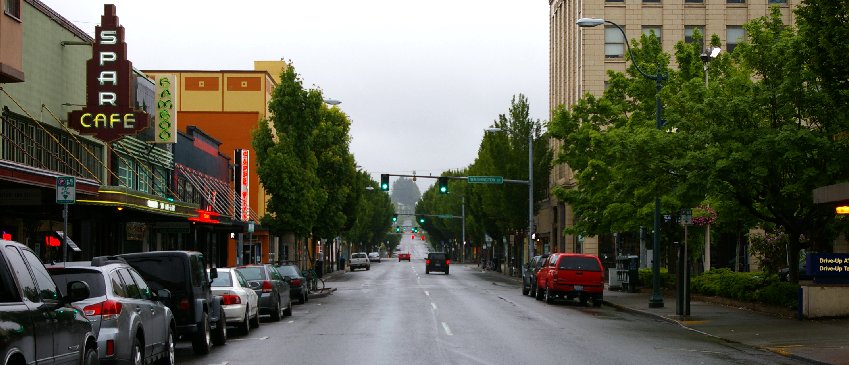
The Spar

Come to think of it, I can’t even remember where we celebrated my birthday that year – 1995 – sandwiched as it was between Thanksgiving and settling into our new home in Olympia, WA. It’s funny how little I remember from that time. Mostly, I remember the weather: the Alaska deep freeze, the cold Olympia rain, the ice storm that hit with a force shortly after our arrival, the tree branches that froze and crackled and splintered throughout the night, littering the road and falling on power lines, knocking out our electricity. Our new house, situated as it was at the end of a long, narrow peninsula called Cooper Point Road, and then down a private, gravel, pothole-filled path with a sign at the top that warned ‘end of county road,’ was very literally in the middle of nowhere. Which meant that when the ice storm knocked out the power, it stayed out. For days.

And then there was Olympia itself. Upon crossing into the city limits, visitors are greeted by a sign bearing a red, white and blue shield in the form of stars and stripes, proudly proclaiming: ‘Welcome to Olympia, an All-America City.’ True? I suppose so. But mostly I remember Olympia as a small-ish Pacific Northwest town with a bit of an identity crisis. A place where state-workers, government bureaucracy, federal buildings and all of the other trappings of being the state capitol came together with the dreadlocked, hemp-wearing, Evergreen State College-attending hippies, the self-consciously artsy, delightfully quirky PNW hipsters, and the more affluent, old moneyed country club set – the ones who owned boats and waterfront homes and wintered in warmer climates.

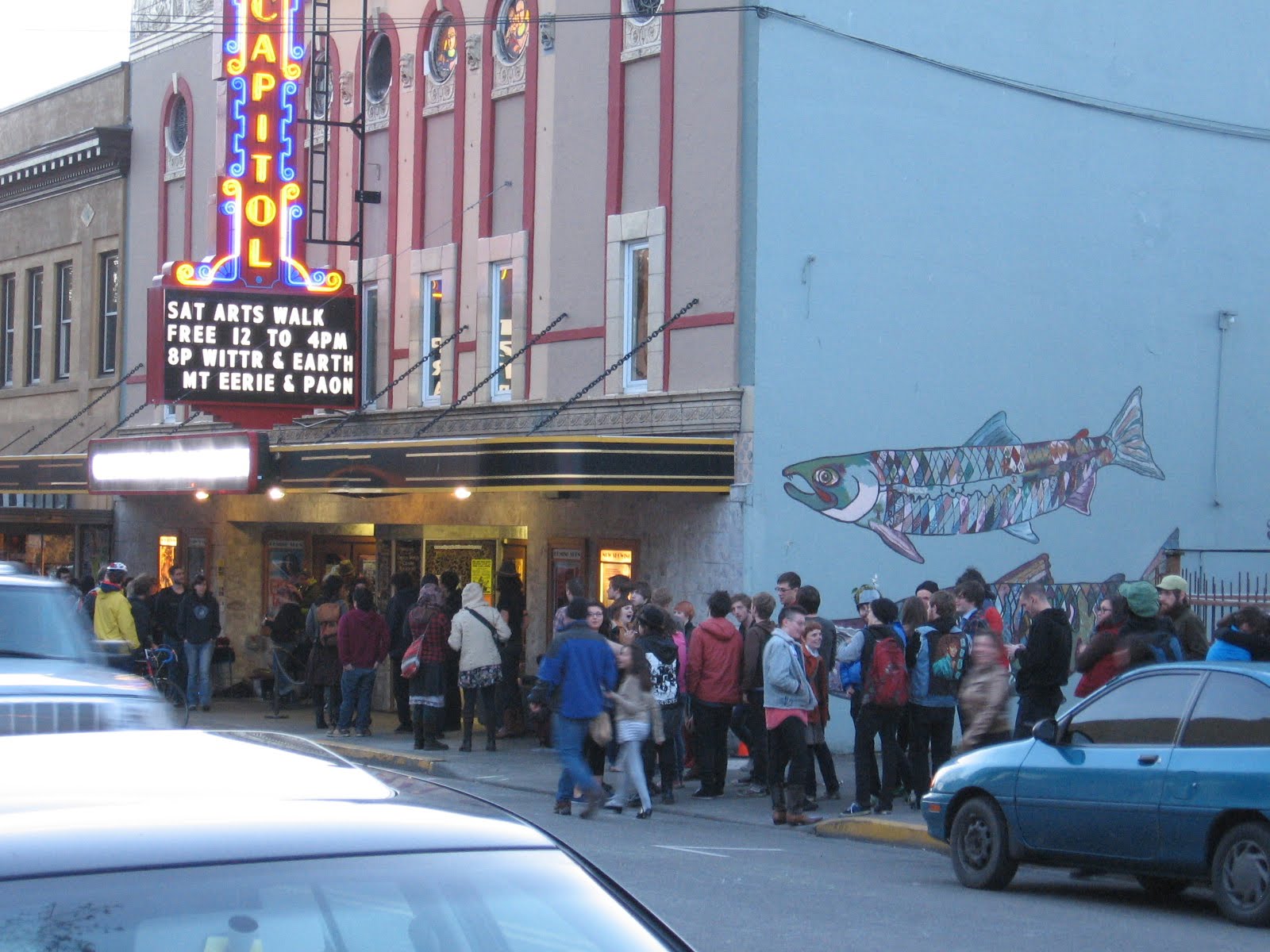
Capitol Theater

When I arrived in Olympia in 1995, from what might as well have been a foreign country – Alaska – I felt like a stranger in a strange land. I was no newcomer to the Pacific Northwest – both of my parents grew up there and I’d spent nearly every summer in Seattle or at my Grandparents’ beach house in Allyn, WA – but Olympia was something else entirely. An odd, eccentric town where all these different and distinct segments of the population intersected, amidst a backdrop of gloom and rain, of tall trees and water-facing cafes and dirt roads to nowhere. I didn’t fit in at all, and yet, strangely, it was exactly where I belonged.

I remained in Olympia for less than four years, bailing as soon as I could to attend college in Los Angeles, and choosing to return only infrequently, on random summers and holidays. And though L.A. has now been my home for many years, there is something unshakeable about Olympia. It was so different than any place I’d ever been before, and so different from any place I’ve ever been since. For the Alaska girl used to the long dark winters where Christmas lights cast a soft glow against the snow, the endless summer nights near the solstice when the sun never seemed to go down, a place where you could go ice skating in your backyard and moose frequently roamed city streets, it represented total culture shock. And for the woman who sought bright lights and bigger things, who has traveled the world, and who made Los Angeles her home – with its vast expanse of freeways and smog and traffic and unnaturally beautiful people – Olympia remains a beacon, a reminder of a more innocent version of myself, a longing for a simpler, more offbeat, more authentic life.

Zoe Bday 5

On my last few visits to Olympia, I tried my best to recapture the good old days – the rainy afternoons passed journaling in indie coffeehouses, the outdoor concerts in Sylvester Park with its gazebo strung with white lights, the treasure hunts in the epic Goodwill on the corner of Cooper Point and Harrison, 90’s music blaring over the loudspeakers, the long walks around Capitol Lake, the beautiful boys in too-baggy clothes killing time at the skate park. I’ve tried my best to recapture the Olympia of old, but the truth is, it’s no longer the same. The magic of nostalgia that held me in its grip for so many years while I slogged away in gritty L.A. has withered in the face of cancer and alcoholism and mental illness and hospice. The lighthearted teenage memories of watching old movies at the Capitol Theater and dance parties and bingeing on late night french fries at The Spar now compete with doctors’ visits and funeral arrangements and sorting through the contents of my parents’ house.

The thing about my arrival in Olympia as a fourteen-going-on-fifteen year-old at the tail end of 1995 is that it was perfectly timed. It was so easy to be a teenager there. You didn’t have to work hard to manufacture the tragic angst you so desperately clung to as part of your identity; it was already baked into the cake with the gloomy rain-soaked skies and the tall trees and the grunge music and the drive-thru espresso stands with ironic names. But the thing I didn’t realize about that time in my life – the thing that I could only realize later, with perspective – is that it was actually beautiful. That I wasn’t really as dark or as moody or as tragic as I pretended to be, that I was only playing at it. It wouldn’t be until much later, when I was touched by actual tragedy, when grown up responsibilities eclipsed the teenage worries that had once seemed so heavy and oppressive, that I would truly understand the difference. And then, more than ever, would I long for those bygone Olympia days.

Until next time, friends.

Percival Landing Statues

Past Lives.

I just hit my fifteenth year in L.A. The milestone arrived quietly. So quietly, in fact, that I barely even noticed it. It wasn’t until this past Saturday, when I was parking my car on a familiar street in Silver Lake, experiencing an odd sense of déjà vu as I climbed out of my too-dirty Prius, gold linen clutch in hand, heading to an afternoon brunch, that I realized that it had already happened. I had missed it. I paused for a moment, the hot September sun beating down on my back, and thought about how very different my life was from the girl who arrived in this city fifteen years ago, how every different my life was from even one year ago. The thought crossed my mind and then I quickly dismissed it, exhaling a puff of air as I trudged uphill toward a house full of people that I’d never met.

stub043

Déjà vu has been my constant companion these days. It’s almost as if my past has been chasing me, trying to meld my younger self with the current, Sarah 2.0 version. For starters, I find myself living alone for only the second time in my life, in a place that, while a bit bigger than the shoebox Culver City studio apartment I rented when I was 24, is oddly similar. Like my old place, it’s bright and airy, it has an enclosed patio, and it boasts friendly neighbors. My new place is a few miles east of my first solo digs, yet close enough that Culver City, very different yet very much the same, has once again become the closest hip neighborhood, once again my default stomping grounds.

On Friday evening, the night before that Silver Lake brunch, déjà vu paid me yet another visit. Driving home from my girlfriend Zoe’s new apartment, an L.A.-spacious one-bedroom in Mar Vista, where we gathered over dinner to talk about love and loss and family and hope and romance and well, the things you talk about when you’re in your early 30s and single and you’re missing your mom and you’re wondering what it all means. Tired and ready to head home to bed at 11 p.m. (definitely not the me of 15 years ago), I turned right onto Inglewood from Washington and flashed back to all the memories that had been made on that street when three buddies of mine rented a post-college apartment there, an apartment they nicknamed the ‘Inglewood Palace.’ I thought about parties and football games and hangouts and good times. And I thought about one of those friends who’d passed away far too soon, about another, now a father and a college professor in Fargo, North Dakota, and another, my best friend of the bunch, who’d recently left L.A. to begin a new life with his wife in the Bay Area. How familiar that street felt, as if no time had passed. And in light of the years that had passed, in light of all that had happened, how foreign it felt too.

Back to Saturday, to brunch, to Silver Lake. I was standing in the kitchen of an unfamiliar house, wearing a sleeveless black silk cocktail dress that used to be my mother’s, a dress that I had realized (too late) was far too warm for this September day, mimosa in hand, making small talk with women that I’d never met before. I was at a literary salon that I felt privileged to be invited to, where the attendees were almost exclusively writers, some aspiring (me), some very successful. I felt a little bit like a fraud, like a kid playing dress up, fumbling for things to talk about, this blog, my life, the book I want to write. I was trying to be as engaged as I could be in the present moment, but I couldn’t help feeling my mind wander down the hill, toward an apartment one street over on Golden Gate, where ten years earlier (God, could it really have been ten years ago?) my friend Mary and I passed many evenings drinking wine, engrossed in deep, meaningful conversations about politics, art, love, the meaning of life. Conversations that, in truth, weren’t that much different than the ten-years-later conversation I’d had the night before over champagne and pasta at Zoe’s place in Mar Vista. Then and now, we were preoccupied with what would happen to us; we were worried about becoming the people we were supposed to be.

Black and White 24th Bday

Have I become the person I’m supposed to be? No, not yet. As I stood in the kitchen of the house in Silver Lake, listening to two impressive female writers speak about their books, about their writing process, about their lives, I could relate and yet, I couldn’t. They talked about motherhood, mid-life crises, and menopause, all things beyond my experience, things that were looming in the somewhat distant future. But they also talked about going through transitions, about needing to change when life had become too small, too narrow, too claustrophobic, about the ever-present need to grow. And to that, I could relate.

I’m about a million miles away from the baby-faced eighteen-year-old college student who arrived in L.A. fifteen years ago. I am, and yet, I’m not. I’m certainly older, definitely wiser (though I’m the first to admit, not always wise), and I’ve been shaped and stretched by the roller coaster that is this life. But the one thing that hasn’t changed after all this time: I’m still trying to figure out what it all means. I’m still trying to figure out who I’m supposed to be. As my mind wandered back to that apartment on Golden Gate, the words of one of the authors broke through my reverie. ‘Life is cyclical,’ she said. ‘Things are wonderful, and then they’re not. Things are terrible and then they’re not. Everything passes.’ And something about that statement clicked in my brain. Maybe this pervasive sense of déjà vu, of revisiting these familiar places from my past and seeing them through older eyes, is exactly what’s supposed to happen. Maybe it’s my opportunity to review where I’ve been and make different, better choices about where I’m going. Maybe it’s a reminder that life is cyclical. And maybe it’s telling me that I’m on my way. That I’m one step closer to becoming the person I’m supposed to be. At least, I really hope so.

Until next time, friends.

Tennis.

I spent a lot of time this past Labor Day weekend glued to television coverage of the US Open. For as long as I can remember, I’ve always found something soothing about the game of tennis. The rhythm of a long rally, the squeaking noise the shoes make as players scuffle across the court, the sotto voce commentary. But the main reason I can’t let a major tournament pass by without at least tuning in is because of my mother.

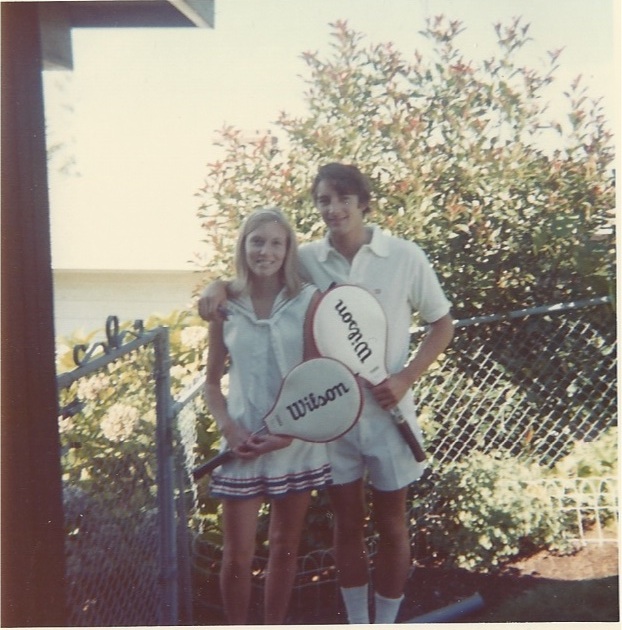
My mom played tennis throughout high school and college, and in her day, she was superb. Though I never got to witness her play when she was at the height of her game, I’ve heard the stories. I’ve seen the trophies and awards she won, listened with rapt attention to the tale of the legendary match where she and her female doubles partner outplayed – and beat – the boys.

We are not Helpless we are women

Throughout my life, I was keenly aware that mom’s biggest regret was the fact that she didn’t pursue a pro career. She certainly wanted to, and from everything I understand, she was good enough to at least give it a shot. But her parents – both successful court reporters – were adamant that she choose a more conventional life, and they pushed her to attend law school. Mom didn’t push back, at least, not hard enough. She went. And she failed out – or dropped out, I was never sure – after her first year at Gonzaga. Mom ended up following in her parents’ footsteps and becoming a court reporter too. Her career was short-lived (she worked just a few years before marrying my dad and moving to Alaska, where she managed his law firm), and I’m not sure that she ever enjoyed it. She suffered from severe anxiety throughout much of her life, and she once confessed to me that she’d get so nervous about the pressure of the job that she’d often throw up before showing up for work.

The reminder of her unfulfilled dream was a constant companion throughout my childhood. It was present when we rose early on weekend mornings to watch breakfast at Wimbledon, present in her obsession with Chris Evert (her favorite player), present in the infamous screaming match she got into with my grandmother during a holiday dinner we hosted at my parents’ house in Olympia, during which years of my mom’s suppressed rage boiled to the surface and the only thing that kept my grandmother from storming out of the house was the ice storm swirling outside, making the roads impassable.

And it was especially present in the fact that my mom was constantly signing me up for tennis lessons, whether I wanted them or not. I was a good kid. Quiet, shy, polite, I earned straight A’s in school and generally didn’t rock the boat. I was my mom’s only child, and a tremendous source of pride for her. I felt the weight of that pride from an early age, and, not wanting to screw it up, I towed the line, and for the most part, stayed out of trouble.

Mom Tennis

A rare exception was one summer in Anchorage, when my tennis instructor called our house, concerned, because I hadn’t been showing up for my lessons. I was 11 or 12, old enough to walk by myself from our house on Hidden Lane to the tennis courts at a downtown recreational area called the Park Strip, and bratty enough to decide that I’d rather blow off my lessons in favor of killing time at Fifth Avenue Mall with my friends.

Busted, I confessed to my mom what I’d been doing. I felt my face flush with hot shame as I admitted lying to her, telling her that my lessons were going well when I was really hanging out at the food court with my buddies. I prepared for the storm of her anger – after all, I deserved it – but it didn’t come. Mom didn’t yell. It was much worse than that. She looked sad – almost as though she might cry – and so, so disappointed in me. It was as though by rejecting the sport that she loved so much in such a cavalier, spoiled, pre-teen way, I had destroyed her dream all over again. I had let my mom down. And it felt awful.

She never signed me up for tennis lessons again. I went on to dabble in various other sports – volleyball, softball, track and field – but I never got really good at any of them. In my heart of hearts, I was a nerd, a bookworm who loved making up stories, who loved poetry and art, who sang in the choir, who read Shakespeare and imagined myself a regal, corseted, high-born lady in Elizabethan England.

I don’t think my mom ever fully understood my decision to pursue a career in the arts. She didn’t feel the goose bumps I felt when sitting in a darkened movie theater, didn’t know the rush I experienced from standing on a stage in front of a live audience. She certainly didn’t understand the draw of Los Angeles, with its urban sprawl, and smog and traffic and crowds.

My mom and I were very different people with very different dreams. But I think the fact that she lived with the regret of giving up on hers also made her so fiercely protective of mine. Time and time again, she defended my choices to family members and friends who didn’t understand what the hell I was doing. She offered financial support when I struggled, which was often. She sent me flowers on every opening night. And when she did travel to Los Angeles to see me stand up on a stage and tell stories, she was so very proud. And she made sure everyone knew it. Especially me.

Mom frosting cake

I’ve spent the last two years overwhelmed by grief. First, in denial of it, pushing myself to ignore it, throwing myself into work, pretending it didn’t exist. Later, paralyzed by it, unable to make important decisions, unable to move forward with my life. Finally, lately, I’ve been succumbing to it, allowing it to wash over me, to consume me.

But it has only been very recently that I’ve begun to get angry. Angry for letting circumstances that are out of my control dictate my fate. Angry for acting like a victim, for feeling sorry for myself, for sleeping too much, for whining too much, for indulging in my vices too much. And mostly, angry for abandoning my fighting spirit.

Watching the US Open this past weekend made me miss my mom something fierce. But it also made me feel closer to her than I have in a long time. It made me pay attention to her ever-present voice in my ear, telling me to be as brave as she knows I can be, to stop moping, to get off the couch and to fight for my life. Watching the US Open made me remember that the greatest gift my mom ever gave me was her unwavering belief in me. It reminded me that the worst thing I can do – like that summer when I ditched my tennis lessons – is to let her down.

Sometimes it takes something as innocuous as a tennis tournament to remind us that our dreams are fragile, precious, ephemeral things, and if we don’t grab onto them, they can disappear. Many people don’t get to live their dreams, either because they’re afraid to, or because life throws obstacles in their way that they don’t think they can surmount.

I am one of the lucky ones. Despite circumstance, despite pain and trauma, despite grief, I have everything I need to live the life I want, and the only person standing in the way of that is me. And though my dreams might look different than they did when I was 18, that’s OK. Because I’m different, too. The thing that hasn’t changed – that has never changed – is my desire to stand on a stage, or on a set, or behind a camera, or in front of a computer, and tell stories. Stories that entertain, that inspire, stories that have the power to heal.

Thank you, mom, for reminding me how precious my dreams are. I promise that every day, I will continue to fight for them. I promise that I will never give up. I promise to do it for you, and most importantly, I promise to do it for me.

Until next time, friends.

Curtain

Laguna

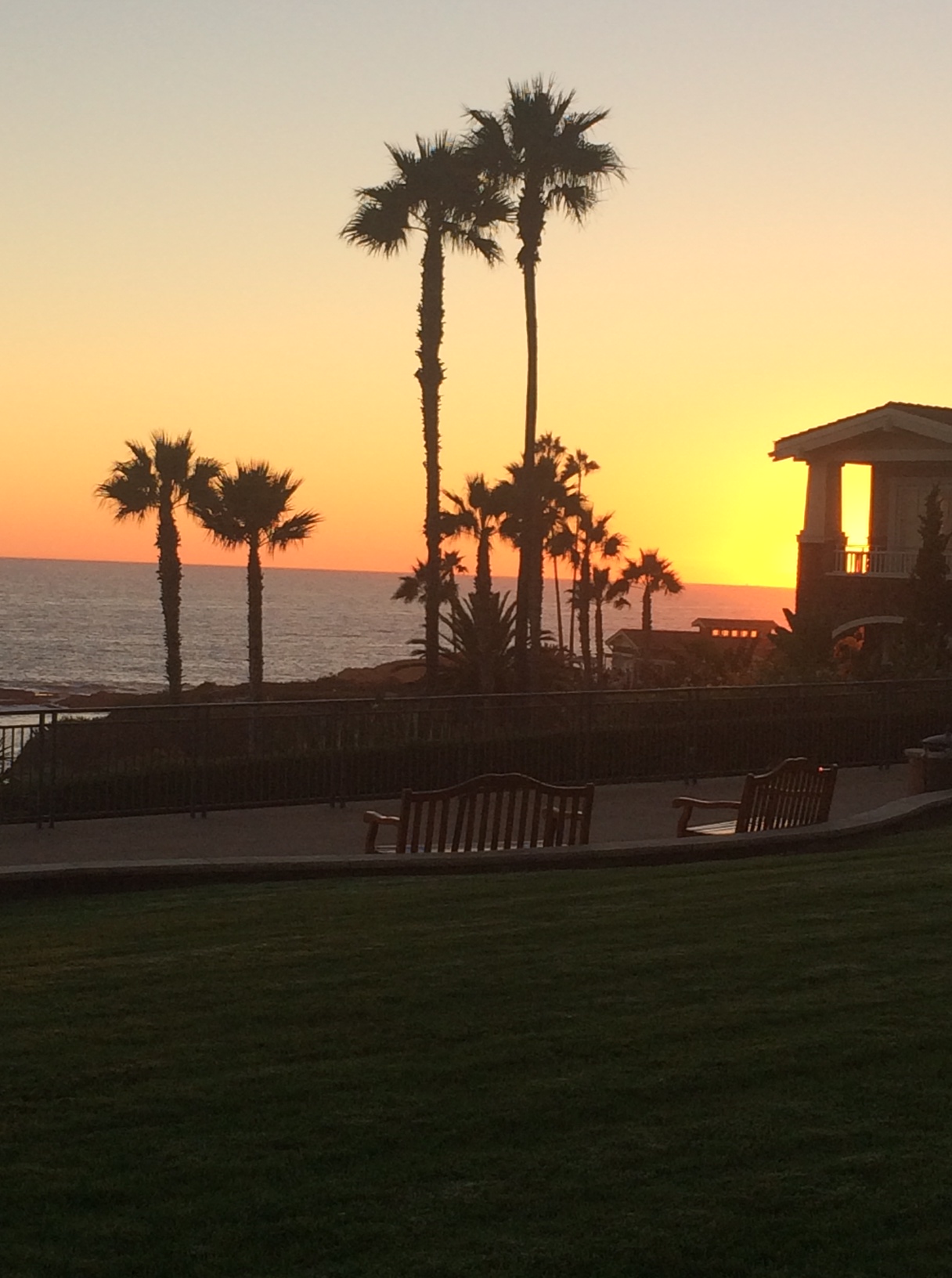
I’m very lucky. One of my closest girlfriends rents a beautiful home in South Laguna Beach, California. It’s on a hill overlooking Pacific Coast Highway, a long, bright, airy space with large windows dressed in soft, billowy curtains overlooking the sea, and a white wooden chair with a colorfully-embroidered cushion on which to sit and watch the sun setting over the ocean.

cliff

I’ve been feeling lost, adrift, bogged down under the weight of emotions I can no longer shake off or brush aside, at a crossroads and feeling overwhelmed by the nagging question, ‘what now?’ The world no longer feels safe or predictable; what was once familiar has turned foreign. And my little bungalow in Los Angeles – while charming – has hardly been a refuge. My girlfriend with the beautiful home by the sea has been working in New York, her home sitting vacant, and when she offered to let me stay there, I gratefully accepted.

It’s not easy to leave life in L.A. for more than a few days – too many commitments – but I cleared six days from the calendar, packed up my car and hit the 405 freeway heading south, past two airports, into Laguna Canyon, and out the other side, arriving at the ocean.

My trip didn’t exactly begin as planned. I arrived in Laguna, opened up my laptop, and connected to WiFi to learn the sad news that Robin Williams had committed suicide. I was heartbroken. Heartbroken, and at the same time, grateful. Grateful that in all the dark places I’d been over the past couple of years, I’d never been there: the darkest of the dark.

Moved by his passing, my scene partner from acting class texted me to ask if we could change the scene we were working on to something from the movie What Dreams May Come. I said sure. It had been years since I’d seen the movie and this time, I watched it with different eyes. Eyes that had known the type of grief and sorrow portrayed in the film. As I watched it, I wept. Wept at the beauty of it, the beauty of a love so powerful that it could transcend death, transcend hell, transcend the darkest, most twisted places imaginable. And I wept at the irony of it too, given that this beautiful, gifted man had, in the end, succumbed to the darkness. I wept for a man who made so many people happy while carrying such desperate pain.

The next day, returning from the beach, I turned on my phone to find more sad news waiting: Lauren Bacall had died. And I felt gut-kicked. Because I admired her tremendously, held her up as a film noir icon, a legend, a true dame. And it felt like some bygone Hollywood era that had already ended was now finally, officially, over. And I sat in the open-air trolley car on the way home, the wind kissing my cheeks, and I cried.

Sunset

So the first two days I spent by the sea were sad. At first, I fought it. But then, gradually, I gave in. I worked a little, and slept a lot. I rose early and sat by the window and watched the marine layer break apart over the ocean. I walked down the long wooden staircase to Table Rock Beach and I lay out on the hot sand and tried to read important things. I made a playlist of happy, poppy, empowering music and I ran up and down steep hills, pushing myself to the top of one hill, past a street called summit, up to mar vista – sea view – telling myself not to give up, that I’d remember this moment, that it was symbolic (stupid writers, looking for symbolism in everything), that even though my lungs burned and my legs were heavy as lead, even though it hurt, that I could push past the pain, that I could still do it. And I did, arriving at the top, gasping for breath.

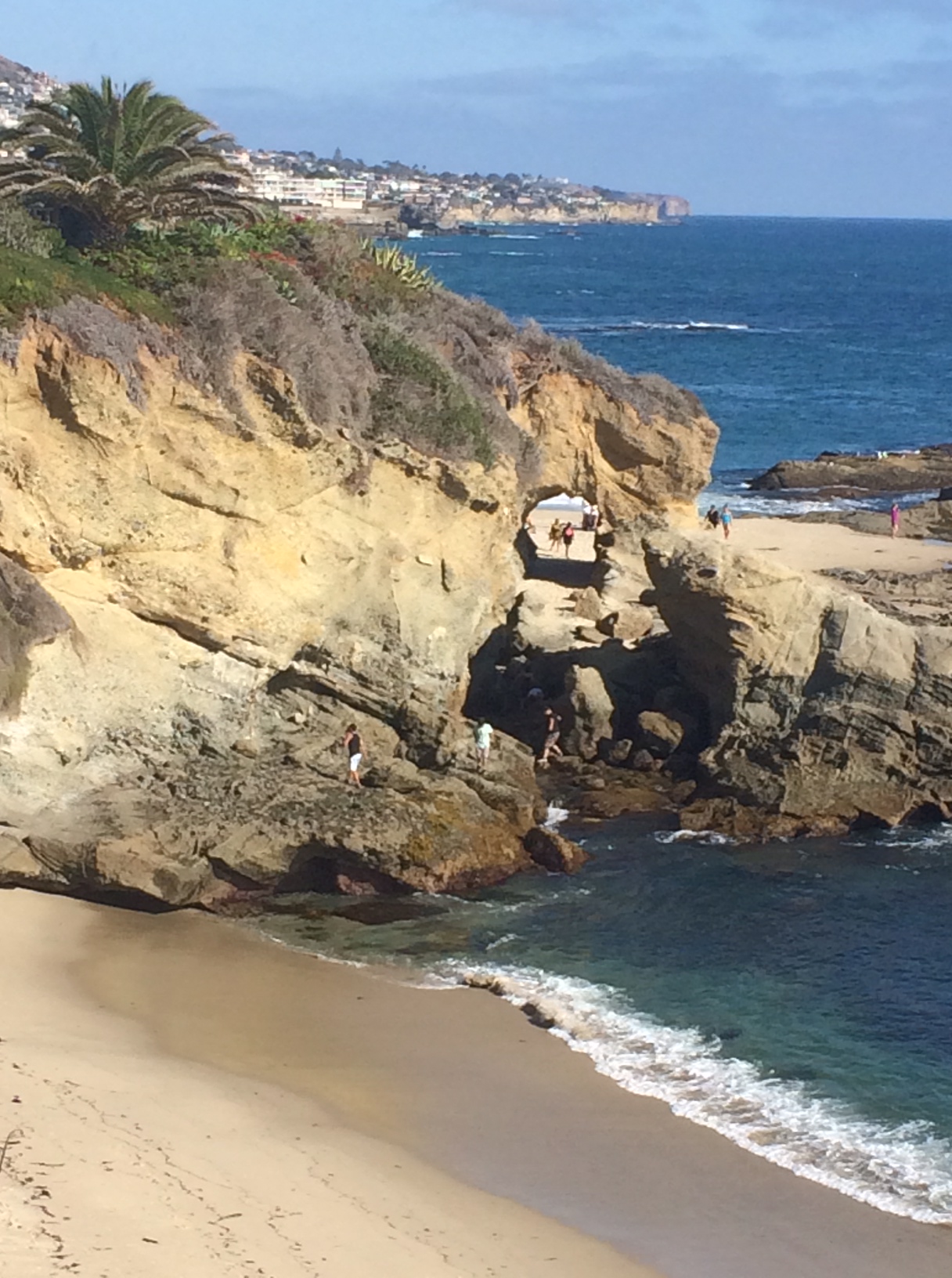
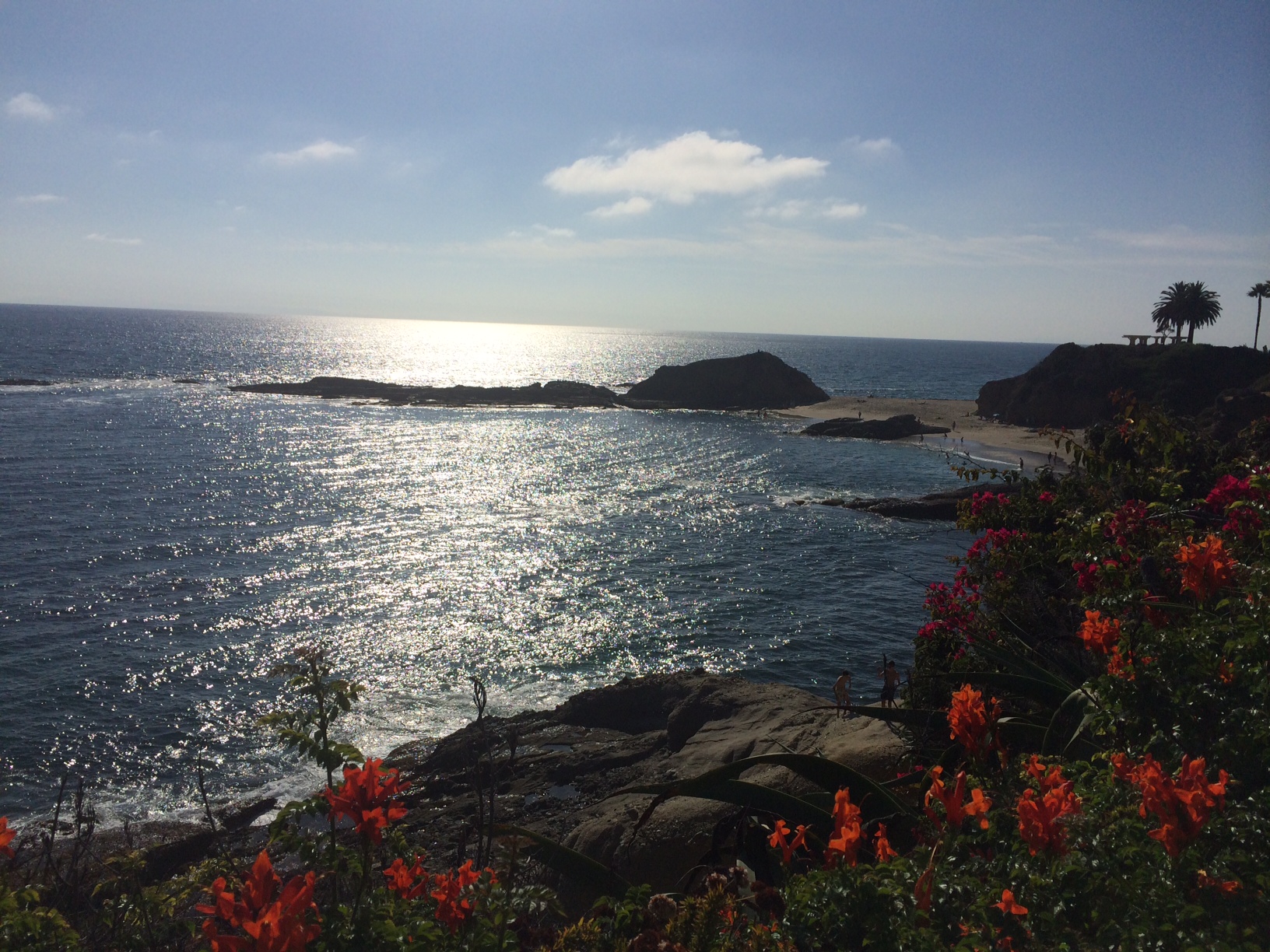
And little by little, I got lighter. I felt like having more fun. I wandered through lush gardens and took pictures. I browsed art galleries and daydreamed over watercolor paintings. I got dressed up and took myself out to dinner. I indulged in sunset cocktails on a terrace at the luxurious Montage resort, becoming the vicarious guest of an extravagant, breathtaking Indian wedding – in which the bride and groom arrived on bejeweled horses – unfolding on the grounds below.

I spent five days never needing to drive, traveling on foot and hopping on and off the free open-air trolley cars running up and down PCH. I’d stick my head out the window, like a dog sniffing the wind, watching the sun sparkling on the sea, my arms tingling with goose bumps as the ocean breeze whipped through my hair.

ocean

On my last day there, in an effort to pamper myself, I visited a CVS drugstore and loaded up on beauty products that I didn’t really need – salt scrubs and mud masks and lip gloss and nail polish. Standing in line, I grew impatient as the store’s only sales clerk spent an inordinately long time chatting with the elderly lady in front of me. They talked and talked, even though she’d completed her transaction, even though the line was steadily growing behind them. I sighed, checked my phone, rolled my eyes.

When it was finally my turn, the clerk gave me an apologetic smile. ‘I’m sorry,’ he said. ‘She just lost her husband. They were married for a lot of years.’

‘Oh no,’ I said. ‘Yes, very sad. Very sad,’ he replied. ‘But when God decides to take you, there’s nothing you can do.’ I nodded, said nothing. Knowing all too well.

Outside in the parking lot, feeling guilty and ashamed at my impatience – after all, where in the hell did I have to be anyway, I was on vacation – I approached the elderly woman as she was loading her car and asked if she needed help. Too late, as she placed a twelve pack of Dr. Pepper – the last of her purchases – in the backseat. ‘I forgot this was heavy,’ she said, indicating the soda. I smiled at her, knowing exactly what she meant, knowing how the fog of grief makes you forget, makes the ordinary seem strange. ‘I hope you have a good day,’ I said. ‘I’m trying,’ she replied. ‘That’s all we can do,’ I called after her, as she got into her car.

So I went back to the beautiful house by the sea, and I lit the healing candle I’d purchased at the new age store downtown on my first day there. The candle that I’d been lighting every night. And I thought about that woman, and I thought about the fact that even a place that was this beautiful couldn’t keep out suffering, that things are so rarely how they appear on the surface, that we all have something – all of us – that we’re carrying around with us. Something that we’re trying to make peace with. Something that we’re trying to let go.

And I burned that candle down and I said a silent prayer that I’d be on the other side of my something soon, and that a new something – something beautiful and unexpected and exactly what I needed – was on its way. That if I just kept going, kept pushing myself up the hill, kept moving through life with an open heart, that I’d find it. That it would arrive. ‘I’ll just keep trying,’ I told myself. ‘That’s all I can do.’ After all, that’s all we – all any of us – can do.

Until next time, friends.

Laguna Sign


Noir.

SNE010

It was a Saturday morning in early March, and I was helping to run a photo shoot at an Italian restaurant in Burbank. A photo shoot for a play series I was co-producing – a series of film noir-themed one-acts. I had just returned to Los Angeles after spending ten days in the Pacific Northwest on important family business, ten days that culminated in a freezing, cold, bleak weekend in Medford, Oregon, during which we buried my dad.

And now it was back to L.A., back to business as usual. I was already behind – I’d missed the first table read of the plays while sorting through clothing and property at my parents’ house, hadn’t been able to focus on production emails in between taking meetings and organizing funeral arrangements with my sister – so now there wasn’t any time to lose. The photo shoots were a start; black & white character headshots to be used as a marketing tool to promote the show. We’d booked actors in thirty-minute increments and one by one they arrived at the restaurant with their wardrobe and props. Many of the actors were close friends and as they arrived, they hugged me, asked how I was. ‘Fine,’ I said. ‘You know.’

One of the members of our ensemble made a comment, almost off-handedly, about the fact that bad luck seemed to follow me around when I produced this show. ‘Maybe you should stop doing it,’ he said. I flinched, shrugged it off, and kept going.

But in truth, he had a valid point. We were now in the second year of the noir play series, and ever since I’d been working on it, ever since my co-producer – my husband James – and I had developed the concept, bad things had been following me around. In the weeks leading up to year one’s production, our beloved dog succumbed to cancer, and just a few days later, my dad was also diagnosed with the big C, his prognosis terminal.

After dad’s diagnosis, my mother – I think, in a desperate attempt to feel better – booked a trip to L.A. to see the show, took one look at me and promptly fell apart. And when I say fell apart that is a grand understatement. She unraveled before my eyes. She went into an emotional tailspin during which she spent a week holed up in her hotel, too sick to travel, visited frequently by the hotel doctor. I passed the week on high alert, fielding her frantic phone calls, until, finally, she ended up in the emergency room. I kept vigil the entire day, helpless, watching the heart rate monitor as her pulse raced at frightening speed, as she maxed out on anti-nausea meds and still couldn’t stop vomiting, as the doctors were unable to diagnose her with anything other than severe anxiety. They sent her home with a whole slew of Ativan, and the next day she was back in Olympia. The show went on, though my mom never got to see it. And three months later she was dead.

Fast forward to year two of the noir play series, to the aforementioned photo shoot, to March of 2013. My father had just died, succumbing to pancreatic and liver cancer roughly nine months after his stage four diagnosis. Shortly before my mother’s death, my grandmother (my mom’s mom) was diagnosed with Alzheimer’s disease and the shock of my mom’s passing caused her to spiral suddenly and rapidly. She erupted in rage fits and it was no longer safe for her to live at home, so my uncle placed her in a full time care facility. When I visited her the week after my dad died, she barely knew me, though just three months earlier we’d talked on the phone nearly every day, mostly about my mom, about how sad she was, about how she didn’t understand what had happened. Now here she was in a wheelchair, with pink painted fingernails and childish plastic barrettes in her hair, a vacant look in her eyes.

And the show went on. In the space in between my parents’ deaths, in the months where I rarely slept through the night, during the days that every time a number with a 206 or a 360 area code appeared on my cell phone and my heart momentarily arrested (Dad? Are you OK?), I found a play that I fell in love with. It was called Speak No Evil, written by a Chicago-area playwright named Michael Moon, whose work we’d produced in the first year of the series. He had such a fantastic grasp of the noir genre, such a beautiful, lyrical way of writing, I emailed him and asked if he had anything else. And Speak No Evil arrived, a simple, compelling story about a mute street vendor who witnesses a murder, and enlists the help of a down and out private detective to clear his name. I didn’t care what other stories we produced, I wanted Speak to be the centerpiece of the noir festival. In fact, the play touched me so much that it inspired an even greater ambition: to produce it as a film.

And so time went on, filled up with acting rehearsals and directing rehearsals and production duties. It went and went and went and suddenly we were at tech weekend, the weekend that all theatre geeks know as ‘hell,’ because of the long hours in the theatre working out all the stuff that’s less than fun like lighting cues and music cues and scene changes and, well, tech. It was on a Saturday morning in mid-April, the very beginning of tech weekend, that I got the call. My grandfather’s voice on the other line, distant, strained, final, telling me that my grandmother had died. I had known it was coming – she’d been in hospice for weeks – but I didn’t know it would come quite so soon. I didn’t know it would come then. There would be no funeral, just a summer barbecue to celebrate her life, when the weather was better.

So I took the call, and I went to the theatre. And I told no one. Not my friends, not my half-siblings who’d already been through hell with me over our dad. Not even my husband. I kept it to myself and went on with the show. That seems crazy to me now that I did that; that I kept something like that from everyone. But the truth is, I was just tired. Tired of all the tragedy, exhausted from talking about it, tired of re-living the same sad events over and over, of having to manage the reactions and emotions of other people when I told them, tired of the ‘I’m sorry, I have no idea what to say’ look, or worse, the ‘there must be something wrong with you’ look, the look that caused a fellow actor to note that bad things kept happening to me while producing a show revolving around noir – a genre that literally means black – as though I had somehow invited this dark storm cloud to visit me and hang over my head, as though I had unwittingly cursed myself. As though this were all my fault.

I can see now that I kept myself busy to avoid feeling like the world was collapsing around me. I can see now that finding quiet, dark backstage corners to stifle sobs before they became uncontrollable and then going back to work wasn’t normal or healthy. But all I wanted was to do what I loved, to immerse myself in storytelling, to be creative, to find my heart again. All I wanted was to feel normal again. All I wanted was my life back.

So I became an expert. An expert at work, an expert at holding it all together, an expert at being everything for everyone. In a little over a year, I co-produced nine one-act plays, and took on the biggest creative endeavor of my life, Speak No Evil, the movie. While I can admit that the work was an attempt to manage my grief, I remain incredibly proud of the things I accomplished during that horrific year. But I can also see that I took it too far. That, in holding it all together, I covered up uncomfortable truths. I took care of far too many things – and people – that I had no business taking care of. And I never took care of me.

So now it’s another year. And there’s another show. And the show must go on. But this time, it’s going on without me. Because after all that time holding things together, I’m finally falling apart. The thing I never wished for – that grief would catch up with me and knock me sideways – has happened. Without my consent, against my will, it has happened. And while I wish that the grief hadn’t entrenched itself so firmly in my chest, it has nevertheless, found its residence there. I wish this wasn’t the case, but as a beloved teacher of mine once said, ‘so much for wishes.’

This week, thanks to the generosity of a friend, I’ve been passing my days alone in a beautiful home by the sea. A place where I can spend the week writing and reading and taking long walks and lying in bed with the windows open and the ocean waves lulling me to sleep. A place that’s safe and quiet and serene. I know a week isn’t enough time to process and heal from everything I’ve been running from, but it’s a start. Slowing down does not come naturally for me, but life has taught me that sometimes, you have to submit. To give up, and give in. And to have faith that when all the falling apart is over, I’ll be able to piece myself back together – stronger, better – and begin again.

Until next time, friends.

Alley Panorama 2

Blog at WordPress.com.