Los Angeles.

I’m so tired, but I can’t sleep

Standing on the edge of something much too deep

It’s funny how we feel so much but cannot say a word

We are screaming inside but can’t be heard

 And I will remember you

Will you remember me?

Don’t let your life pass you by

Weep not for the memories.


On an early morning in the summer of 1999, a yellow school bus pulled into the parking lot of Capital High School in Olympia, Washington. I sat near the back, resting my head against the seat, softly singing the lyrics to a bittersweet Sarah McLachlan song. My head was light – the result of a sleepless night spent in Seattle, celebrating the Class of ‘99 and our newly-earned diplomas – but my heart was heavy. Graduation meant that in less than two months, I’d be leaving home to attend college in Los Angeles, a city I’d visited only once and where I knew no one. The thought of chasing my Hollywood dreams thrilled me, but I was scared too, possessed of the vague but certain knowledge that soon, everything in my life was going to change.

I waited until it was safe. As soon as I was sure that the solar eclipse that had been making its way eastward across the United States had passed over Los Angeles, I got into my car. As I merged on to that familiar stretch of the 405 freeway, I thought about that eighteen-year-old girl, half a life away, who was only just beginning her story. How could she have known how it would all unfold?

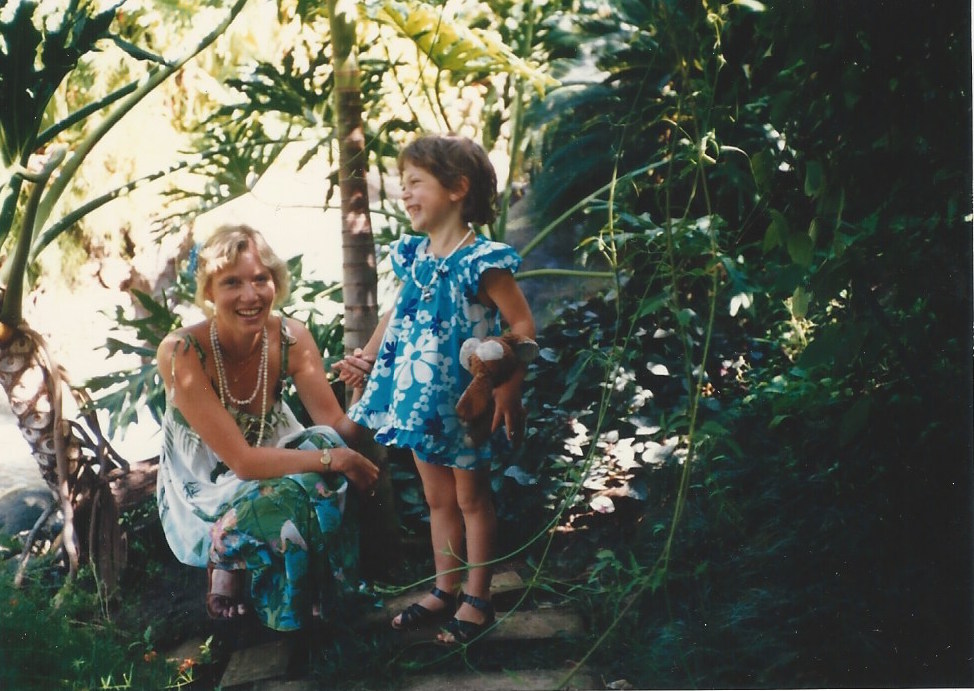
My mother watched from the third-floor window of the Radisson Hotel as – sirens blaring, strobe lights pulsating – fire trucks charged down Figueroa Street. Turning to me, face drawn with concern, fear in her aquamarine eyes, she asked earnestly:

“Sar, are you sure you want to go to school here?”

I was sure. From the minute I set foot onto USC’s University Park Campus I knew that I belonged there. Its proximity to the infamous “South Central” neighborhood of Los Angeles, the seemingly never ending parade of emergency vehicles exiting the nearby fire station, the metal bars encasing every apartment and store window. . . none of those things deterred me. In fact, they only strengthened my resolve. A girl who split her childhood between Anchorage, Alaska and small towns in the Pacific Northwest should have been a fish out of water in such a gritty, urban place. But I wasn’t. I was home.
Nearly eighteen years later, that exact same feeling settled in my chest, but this time, in a different place. Walking along Sixth Avenue in New York’s West Village, my eyes found the Freedom Tower, a beacon of steel blue standing strong and stoic in the distance, and something that can best be described as hope swelled within me. Home, cried a familiar voice, sure and steady. I listened.

I checked in to the Surf and Sand Hotel just after two p.m., changed into a bikini, and headed straight for the beach. Later, sandy and sleepy, I sat beneath a large white umbrella, stared out at the Pacific, and wrote. After an early dinner of cheap tacos and expensive wine, I headed back to the beach and waded into the ocean just in time to watch a blazing sun sink below the horizon, spreading coral and tangerine across a tranquil sky. Once it was dark, I opened up two old notebooks that I’d brought along for the journey and re-read their contents. I barely recognized the person who had written them, and so, I carefully shredded their pages and deposited them into a hotel garbage can.

As I crawled beneath white sheets, a feeling of calm settled over me. What a difference from the last time I came here, I thought. It had been December of 2015, a few days after my thirty-fifth birthday, a few weeks after my grandfather died and I had returned to L.A. from a month-long stay in tiny Allyn, Washington to oversee his hospice care, only to find that the company I had worked at for eleven years had been sold, and I had a decision to make: relocate to Seattle and take a job with the new company, or stay in L.A. and face an uncertain future. I chose to stay in L.A. I chose to trust the steady, sure voice that told me I would be OK. I have never regretted that decision.

Eighteen years after moving to Los Angeles and making it my home, it is impossible to describe how it feels to leave it. When I arrived here in the late summer of 1999, I was a girl on the edge of becoming a woman. A girl who thought she knew so much, but who had no idea how innocent she truly was. I had never been in love. I had never traveled to the Eastern United States to sink my toes into an Atlantic beach, let alone crossed that vast ocean to visit (and live in) the continent on the other side. I didn’t know that terrorists could fly airplanes into tall buildings. I didn’t know what it would feel like to hold the hand of someone I loved as they died.

What would I tell that girl now, all these years later, as I prepare to once again begin my life anew? I would tell her a great many things, but mostly I would tell her that she is allowed to make her own choices. She is allowed to let two conflicting emotions reside in her body at the same time. She is allowed to love a place and leave it, and she is allowed to love people and leave them, too. She is allowed to be both brave and afraid, allowed to be both as fragile as a paper doll and the owner of the fiercest heart imaginable. She is allowed to write her own story, without knowing how it’s going to end.

When I moved to Los Angeles, I never could have imagined how much this city would change me, how much it would shape me, how much it would open up my life. Somewhere among the boulevards and the beaches, among the wannabes and the celebrities, I found myself. I made lifelong friends. And I grew up.

Moving here was the right thing. I knew it, and I did it. And now, eighteen years later – as hard as it may be – I also know that it is the right thing to leave.

Until next time, friends.

Dear Mom.

If I had known the last time I saw you was going to be the last time, I would have done everything differently. I would have hugged you tighter, skinny as you were, afraid as I was that I might break you. I would have told you that I loved you. I think I might have said it – I can’t remember – but the odds are that I didn’t, because we didn’t exchange those words easily or often in our family. I would have looked at you more carefully, taking in every detail, the same way – I can see only now, with hindsight – that you looked at me. Because you knew what I didn’t, that this would be the last time.

Today, May 25th, is your birthday. You would have been sixty-five. Your birthday was always my favorite day, more so than my own, which may sound like a lie or revisionist history, but I promise that it isn’t. Is there anything better than carefully selecting a gift that you know its recipient will love, and seeing the delight in their eyes when they open it? That was you, Mom. You loved everything I gave you, and making you happy was so easy that it felt like my super power.

The last time I called you on your birthday was five years ago. That’s when I knew that something was wrong. In truth, I had known for a while. But that phone call was the first time I can ever remember that you weren’t happy to hear from me. Normally, when you’d answer the phone, warmth would flood your voice. “Oh, hi, Sar,” you’d say, almost as though the phone call was a pleasant surprise. Not this time. Instead, your tone was angry, combative. “Mom?” I barked, startled. “What’s wrong with you?”

There’s no need to re-live what happened next, that horrible spiral. I’ve never felt so helpless, never felt so worthless, as I did when I couldn’t reach you, couldn’t save you. And just like that, you were gone.

My whole life, losing you was always my worst fear. And then, my worst fear came true. I lost you in the most wrenching, painful way I could imagine. For a while, I lost myself, too. And in order to find myself again, I walked through hell. I learned some important lessons. Lessons I didn’t want to learn, but lessons that I needed to learn. I wish that heartache wasn’t such an effective teacher, but I don’t know how else I could have discovered the depths of my heart and its capacity for love without having it so badly broken, or how much I truly loved to laugh without shedding so many tears.

And here’s something ironic: when I found myself anew, I found you, too. It was a you that I could only fully understand after you’d gone. A you that you couldn’t show me while you were here. A you that had once been so full of life and love and joy and then something went horribly wrong and it never got right again. A you that urged me not to follow in your footsteps, not to make the same mistakes you’d made. And I listened, Mom. I paid attention. I changed my life. And all the while, I kept wondering:

Can you see me?

 Do you know?

 Are you proud?

And now, as I continue to move forward in this life, my greatest fear is that I’ll forget you. I worry that the passage of time will erode my memories, and I’ll forget your voice, or your face, or how important you are to me. But then, out of nowhere, I’ll hear your laugh coming out of my mouth, or I’ll see you in the sculpt of my cheekbone or the arch of my brow or the shape of my eye. And then I’ll realize that I can’t possibly forget, because you are part of me, just like I am part of you.

We are alike, Mom, but we are so different, too. I’m not sure how you’d feel about the life I’m living now. I’m certainly braver than I was, certainly taking bigger risks than I used to when you were alive. And the truth is, I feel scared and alone a lot of the time. I wish that wasn’t so. I wish that I could ask you what I should do, or where I should turn. But then I remind myself that I know what’s right, that I have everything I need, and that my fear of regretting the risks I don’t take is far greater than my fear of failure or of making a mistake.

You gave me that. Or rather, losing you did. Your death gave me a sense of urgency that I didn’t have before I lost you. It gave me a heightened awareness of the danger of deferring my dreams. And it taught me how fleeting happiness is, and that when I have a shot at it, I should grab on to it with both hands and hold on for dear life.

That is something I am sure of: no matter what you might think of the life I’m living now, you would want me to be happy. You would want that above all else. And that is something –  I promise you, Mom –  that I am working toward every single day.

Can you see me?

 Do you know?

 Are you proud?

Happy Birthday, Mom.

Love,

Sarah

The beginning.

“some people,
when they hear
your story,
contract.
others,
upon hearing
your story,
expand.
and
this is how
you
know.”

— Nayyirah Waheed

There were a lot of friendly faces in the crowd that night. On audience left, a group of close college friends, some of whom had driven down from Northern California the night before to see the show. In another part of the theatre, buddies from the sports bar where we gather to watch our favorite football team. That Saturday evening, good friends – old and new – were in abundance.

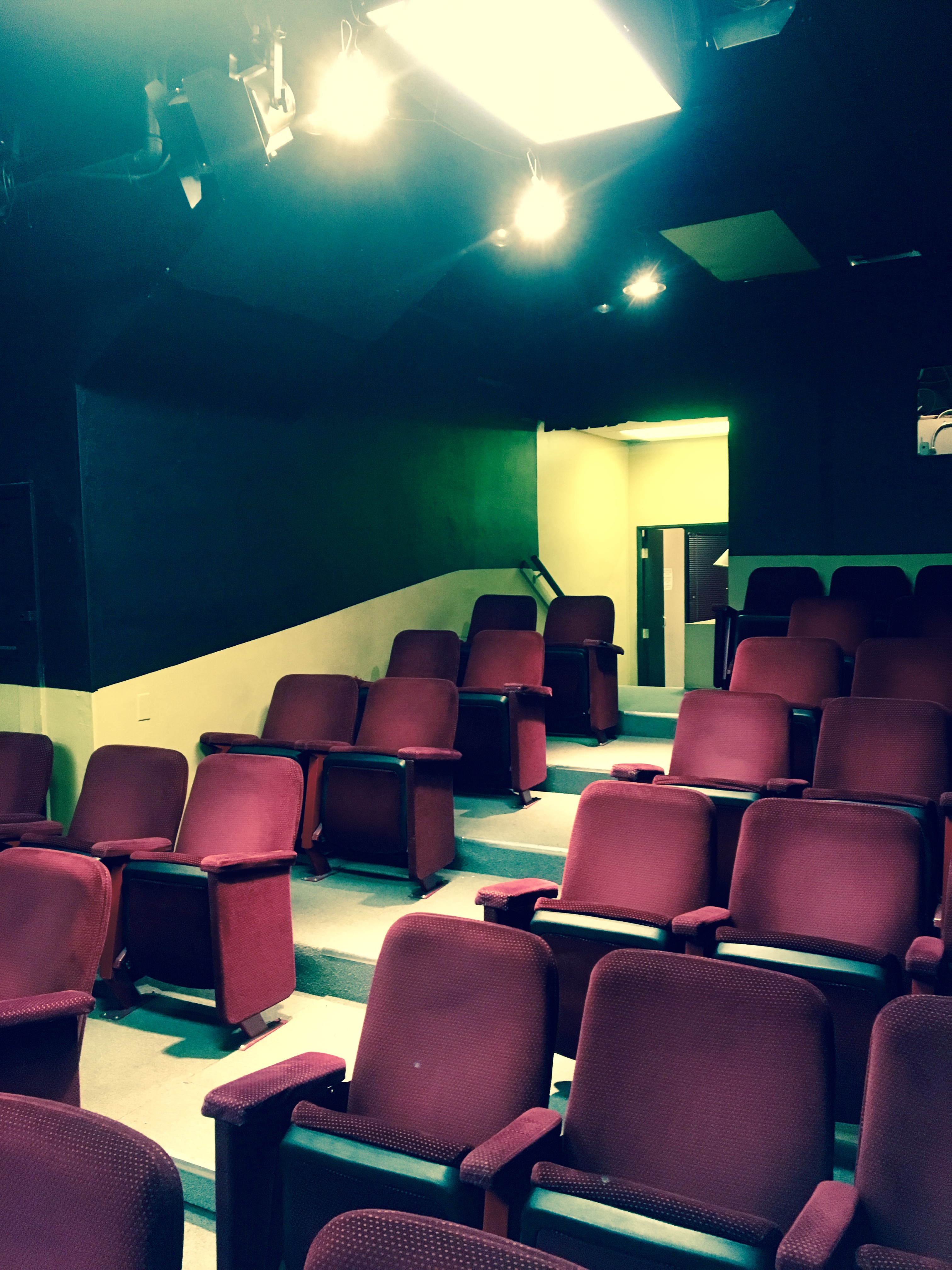
But it was the couple sitting in the front row, audience right, that captured my attention. Two people, a man and a woman, him slumped low in his seat, his hand partially covering his face. And though I tried to focus, tried to stay present in the moment as my co-star and I began the play’s final, climactic scene, in an intimate, forty seat theatre like the Actor’s Workout Studio, it was impossible not to notice.

After the show, the couple – my aunt and uncle – found me, said some quick goodbyes, and scurried out the door. They were exhausted. Due to a powerful rain and wind storm that had blown through Southern California the day before, flooding roadways, downing trees, knocking out electricity and delaying or canceling flights into and out of Los Angeles, they had spent the entire previous day trying to get here from Seattle, finally arriving to their hotel at Universal Studios just before two a.m.

But it was more than that, and I knew it. As my uncle gave me a quick hug, his face was pained. “You’re right,” he said. “It was dark.”

My aunt – his wife – gave me a reassuring smile and squeezed his arm. “He’s having a rough time,” she told me.

We made plans to see each other the next day, and just like that, they were gone. And I went out to have drinks with my college friends, anxiety and guilt tugging at the corners of my mind.

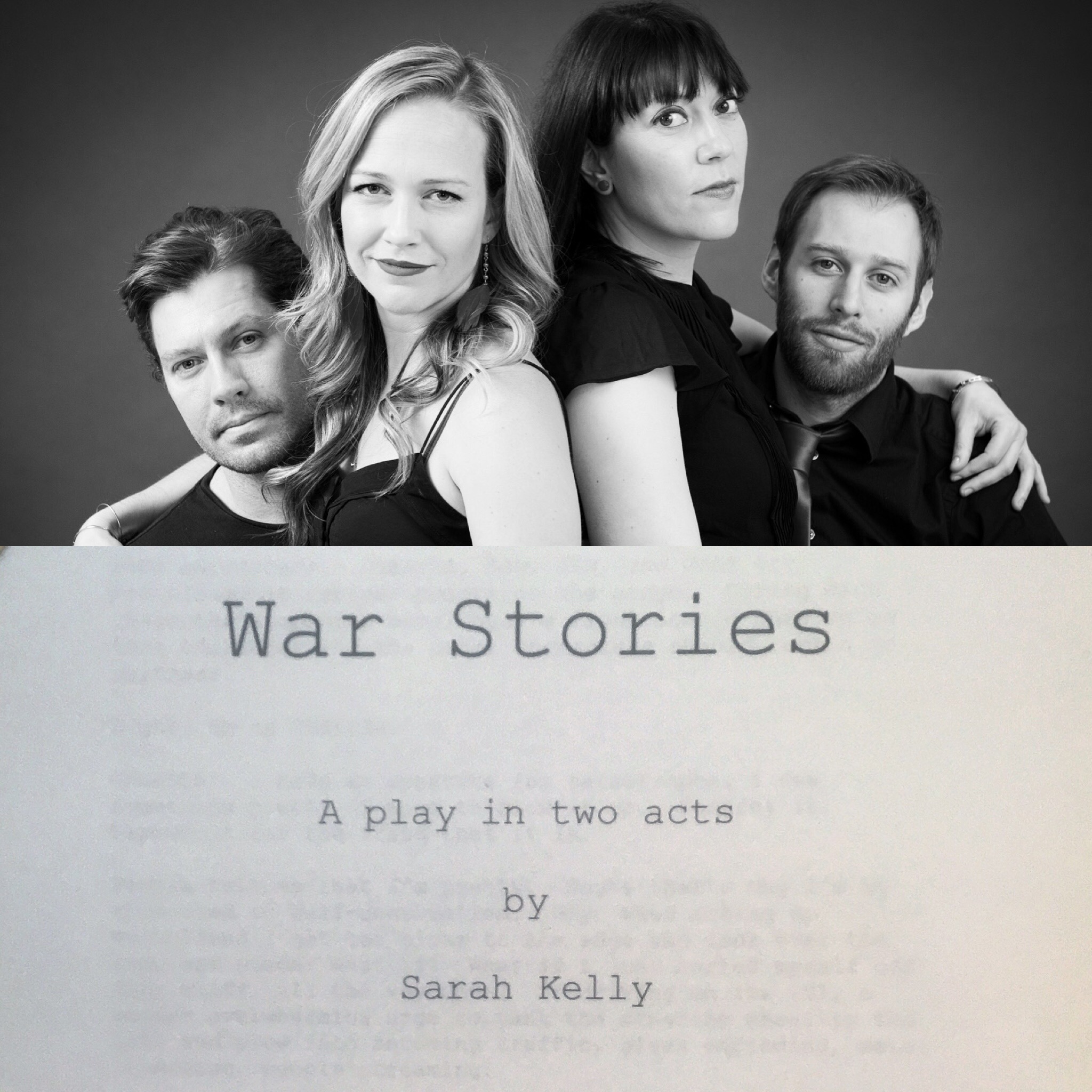
My aunt and uncle’s trip to Los Angeles to see my play War Stories was the first time they’d seen anything I’d done on a stage, ever. In fact, I didn’t think they knew much at all about my creative life, or had read many of the things I’d written, including the – often intensely personal – essays I publish on this blog.

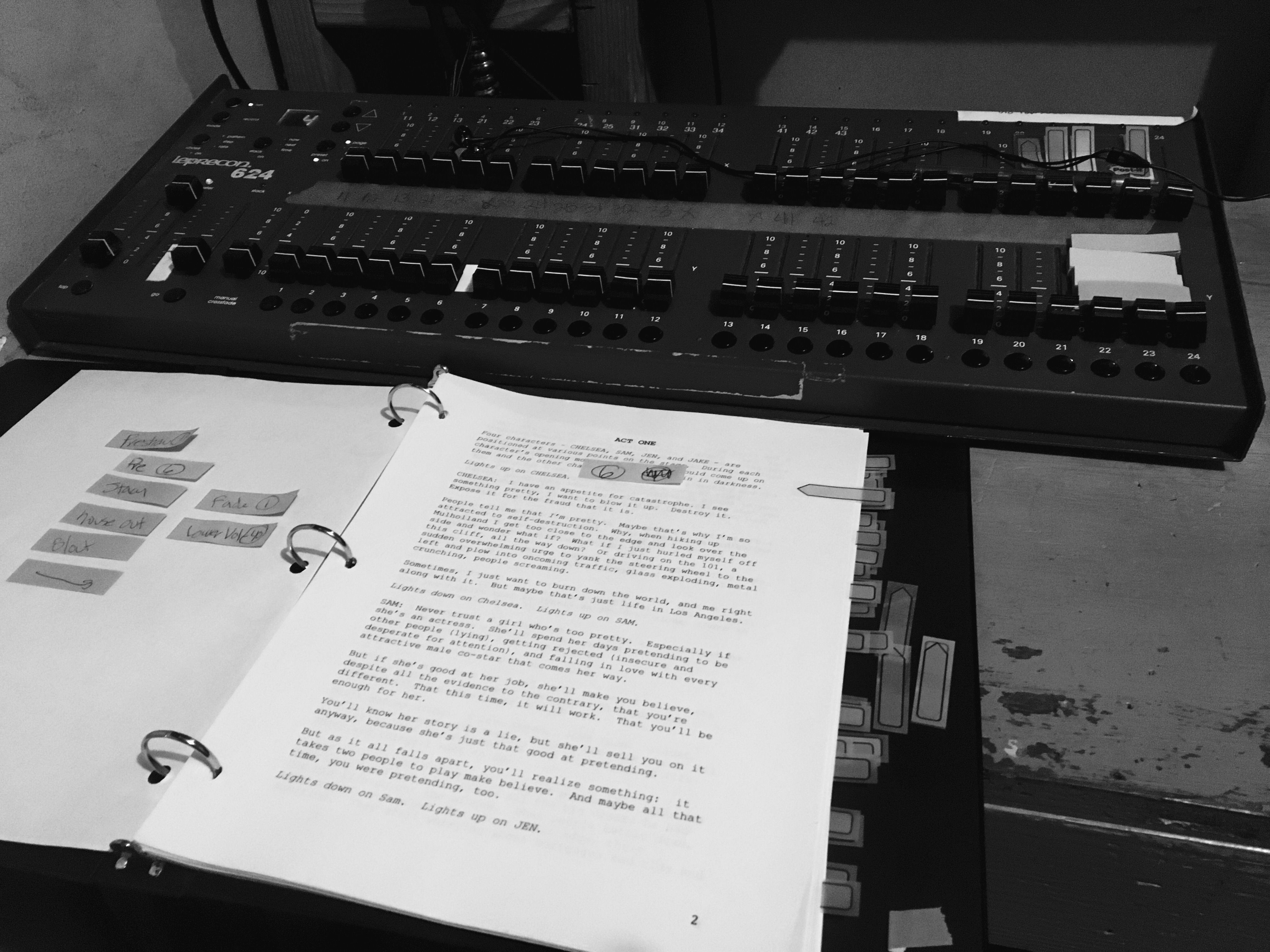
War Stories, while fictional, borrows heavily from my own experiences. And it’s the relationship between one of the main characters and her self-destructive, alcoholic mother, that is the most autobiographical part of the whole play.

My uncle is my mother’s brother, and her only sibling. Since my mother died four years ago, he and I have become closer, but there’s still so much about each other’s lives that we don’t know. While I’m a verbal, emotional, artist who is highly communicative about my feelings, my uncle is the opposite. More often than not, my attempts to discuss the “heavy” stuff with him are simply pushed aside. He’s not rude or dismissive about it, he’s simply not built that way. “I’m fine,” he always says.

People often say that they can’t believe I write about such personal things on this blog. The truth is, given my family history, shining a light on the darkness is less about bravery than it is about survival. Over the years, I’ve watched more than one loved one retreat into a bottle or escape into pills to numb out the painful things that they can’t or don’t know how to say. And I knew that if I didn’t find a healthier outlet for the emotions that threaten to overwhelm me, I’d end up following down that same path.

So, I talk about the painful things. I write about them. I allow myself to feel them coursing through my body. And yes, sometimes it is overwhelming to feel so much. But sharing those feelings? It helps. Because if I can find a way to articulate difficult emotions, to wrap words around them in a way that makes other people not only understand them, but feel something too, those emotions no longer own me. They no longer overwhelm me. And I know that I’m not alone.

But not everyone is like me. Not everyone is so comfortable talking about the dark places in their lives. And that Saturday night after I said goodbye to my aunt and uncle, and for the entire next day, I felt intensely guilty for not being more sensitive to that.

We met for an early dinner the next evening. And as I stood near the host station, waiting for my aunt and uncle to arrive, I felt nervous and sick, my stomach twisted in knots. But a moment later, they walked in, and my uncle pulled me into a hug. And I exhaled.

And over the next hour, something remarkable happened. My uncle, a man who I’ve always suspected feels much more than he’s able to say, wanted to talk.

“It was dark,” he said again, about the play. “And it hit close to home. But I know if you can make me feel that, you’re a talented writer. It was a really good play, Sarah.”

I was stunned. It was far from the reaction I had expected. Still, I felt the need to explain myself, to apologize. “I’ve just become so used to telling my sad stories to people who don’t really know me,” I said, “That sometimes I forget that those stories belong to other people, too.”

As we talked about what was next, for the play, for me, my uncle said something else that stuck with me. “I feel like you’re right at the beginning of something,” he said.

The beginning? Oy. At thirty-six, out of college for more than a dozen years and making art for nearly twenty, it was hard to accept that I could be at the beginning of anything. After all, shouldn’t I be further along by now?

But maybe he’s right. Maybe this is the beginning. Not the beginning, beginning, but the beginning of something new. The beginning of a new chapter, one with a more defined path. The beginning of finally knowing what it is I’m supposed to do, and of moving forward in the world with a new sense of self-assurance and a new authority about who I am.

And P.S. – remember that Paris trip I mentioned in my last post? Well, I’m going. In fact, I’ll be there next week, after spending a few days in London to visit friends. And who knows? Maybe my next post on Extra Dry Martini will be a dispatch from the City of Lights. . .

Until next time, friends.

Off the record.

Late in the evening on July 4th, I sat alone on an expansive wooden deck overlooking the water, a cinnamon-scented candle glowing beside me, breathing in the stars and gunpowder as fireworks exploded and unfurled their brilliant colors across the night sky.

IMG_7834

Our own little family celebration on the rocky shores of Case Inlet had just ended. My aunt and uncle had gone to bed; my cousins had gone home. It was a subdued holiday – nothing like the ruckus of previous years – but we built a bonfire on the beach and watched the colored lights boom and sparkle above the bay, and that was enough for me.

I have spent countless Fourth of July holidays on that beach and each one of them has been different. My grandfather – who bought the land all the way back in 1959 – had a saying that he wrote to me, years ago, in a letter, which I’ve cited on this blog more than once: “The beach never changes, ‘tis only we who change.”

He’s right, and he isn’t. The beach is very different than the magical place I remember from childhood; both the passage of time and the passing of loved ones have seen to that. But more than fifty years after my grandparents cemented this spot as a permanent part of our family’s legacy, placing a sign reading, Popelkas: Off the Record, at the entrance to the property – a nod to their careers as court reporters – its fundamentals remain the same: it’s still a small slice of heaven tucked away on one of Puget Sound’s inland waters, the saltwater bay framed by banks of evergreen trees, the stately Mount Rainier towering above, keeping watch over us all.

This Fourth of July placed me in uncharted territory. It was my first visit to the beach since Grandpa’s hospice last fall, my first time ever being there without him. My decision to go was last minute – ticket booked a few days before travel – and this visit would be in addition to another, longer trip I’d already planned just five weeks later, in August. But the last few months in Los Angeles had left me exhausted and in need of a spiritual reboot, and the beach had always had the power to ground me in a way that the gritty, noisy, crowded, city never could. And so I went.

FullSizeRender

It was not a perfect trip, not by any means. Unexpected family drama bubbled to the surface, reopening wounds that I thought had closed. I spent much of the emotionally charged four-day visit feeling nostalgic for a past that no longer existed.

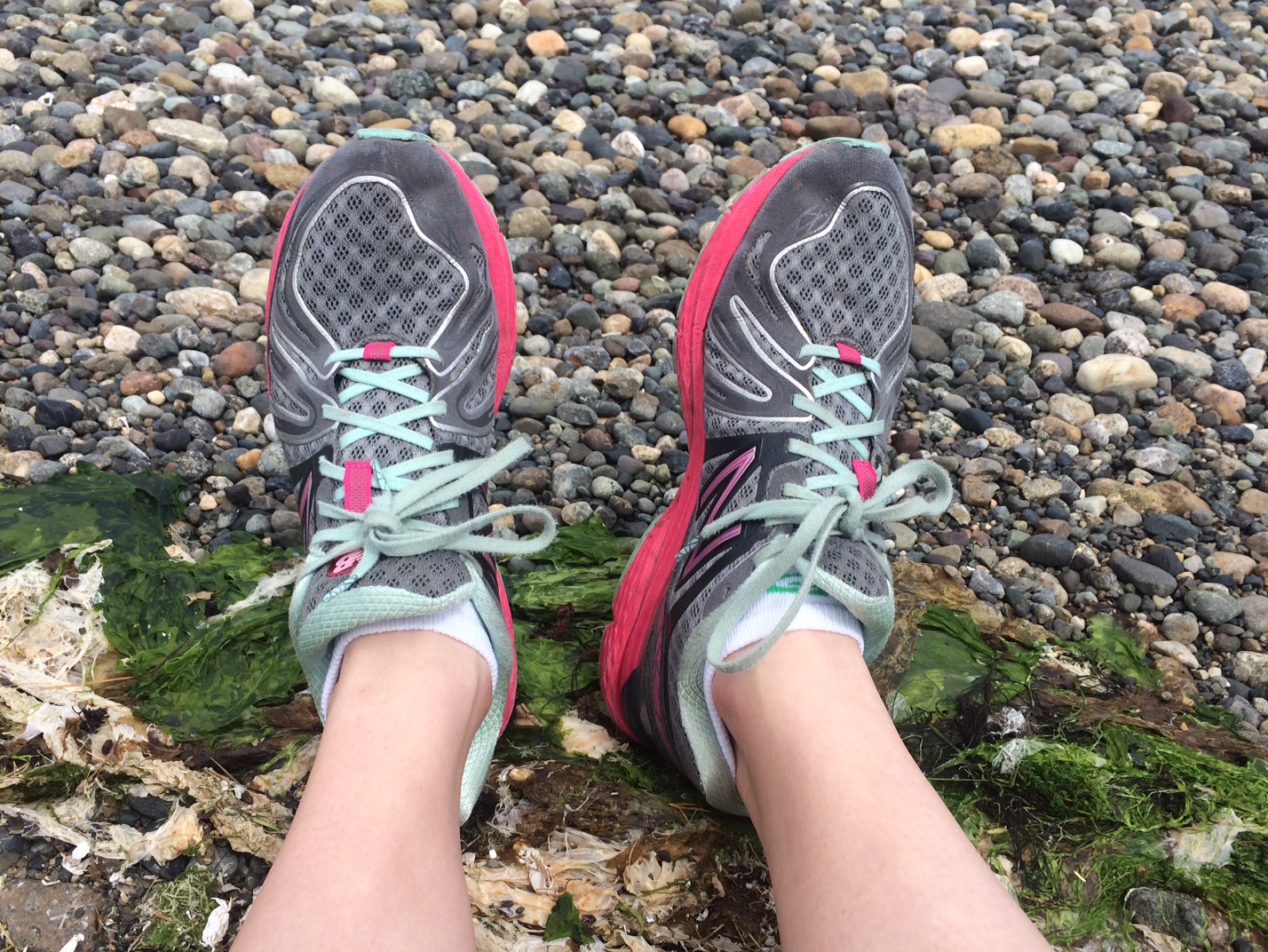
But I slept. And I wrote. And I wandered the beach, searching for seashells and agate stones. I ran three miles on the shoulder of the heavily forested Grapeview Loop Road, and was impressed – as I always am – by the friendliness of the locals. (One motorist even stopped, rolled down her window, and offered me a bottle of water. City girl that I am, I declined.) One morning, I arose early, drank coffee, and watched through my window as the sun stubbornly pushed through layers of clouds, slowly turning the morning from grey to blue as slivers of light danced across the sound, causing the water to glimmer and dance like liquid silver.

And gradually, I grew calmer and more centered and I felt my equilibrium returning. Because despite the way that life shakes and shifts around me, despite how greatly the beach’s present reality differs from my past memories of the place, there’s something that continues to hold true: my history is firmly anchored there. And whenever I return, when I remind myself of who I am and where I’ve come from, I know myself just a little bit better. And it’s in that space, no matter how confused or lost or frustrated I may have been, that I’m able to figure out what it is I want to do next.

“The beach never changes, ‘tis only we who change.”

Until next time, friends.
IMG_7819

The Year of the Monkey.

In truth, I don’t know all that much about Chinese astrology. As a child, I remember being fascinated by the red and gold Chinese restaurant placemats depicting the twelve zodiac animals and detailing the characteristics of each of them. Those placemats taught me that as a December 1980 baby, I am a Monkey: a sign known for its optimism, cleverness, sense of adventure, curiosity, and inclination toward mischief.

IMG_6723

On February 8, we began a new Lunar New Year: the Year of the Fire Monkey. According to the Chinese zodiac, it is not a good thing when you enter a year that corresponds to your sign. In fact, it is usually quite unlucky. This is an assertion that I have chosen to ignore. Given the way 2016 began, can you blame me?

A couple of weeks into the (Western) New Year, my car was vandalized, resulting in thousands of dollars worth of damage and leaving me feeling shaken and scared about the neighborhood I call home. My temporary job as an independent contractor – that began after the company I worked for was sold and moved to another state – was more stressful than I’d anticipated, leaving me tired and frustrated. Inspiration was difficult to come by, and my writing stalled. A persistent feeling of hopelessness started to creep in, threatening to derail my big plans for 2016.

Probably out of sheer stubbornness and my absolute need for things to be better this year than they’d previously been, I pushed forward. I kept writing, even though I didn’t feel like it. I reached out to a friend who’d produced my last play, asking her to come on board, even though I didn’t yet have a script. I renegotiated the terms of my independent contractor job, resulting in an arrangement more favorable to me. And I began the insurance claims process for the damage done to my vehicle.

Little by little, the clouds stared to lift. The original timetable of eight weeks to repair my car turned out to be mere days as the backordered part my mechanic needed became available much sooner than expected. Filing the insurance claim proved to be easier than I’d anticipated (dare I say, it was even pleasant), and within a couple of weeks I received a check covering all of the repair costs beyond my deductible. My friend and previous collaborator agreed to sign on to co-produce and direct my new play, giving my writing an increased sense of urgency and providing the motivation I needed to finish a first draft. And a fun-filled weekend celebrating a dear friend’s birthday in the San Francisco Bay Area lifted my spirits and temporarily curbed my growing wanderlust.

IMG_6697

By the time the Lunar New Year began, I was feeling like my old optimistic Monkey self again. A few days later, my aunt and uncle arrived in L.A. for a visit, booking a hotel on Ocean Avenue in Santa Monica overlooking the pier, Palisades Park, and the Pacific Ocean. Their visit coincided with a rare winter heat wave: clear blue skies free of the smog that so often blankets this city, temperatures in the 80s, the Pacific sparkling like so many sapphires. The three of us hadn’t been together since Grandpa’s death three months earlier, and after the intense, emotionally taxing period of hospice, reveling in the majestic, sun drenched California coastline felt like a miracle.

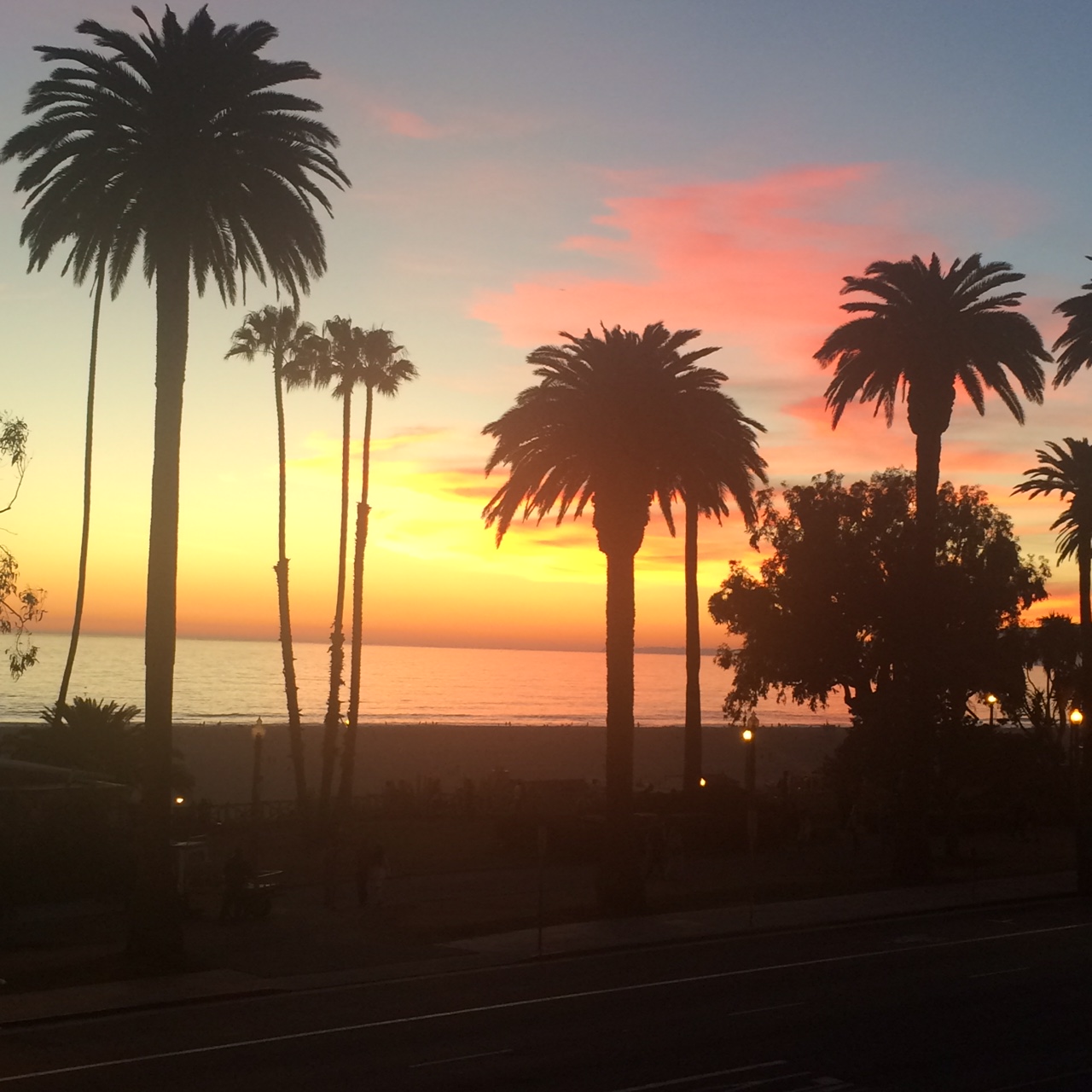
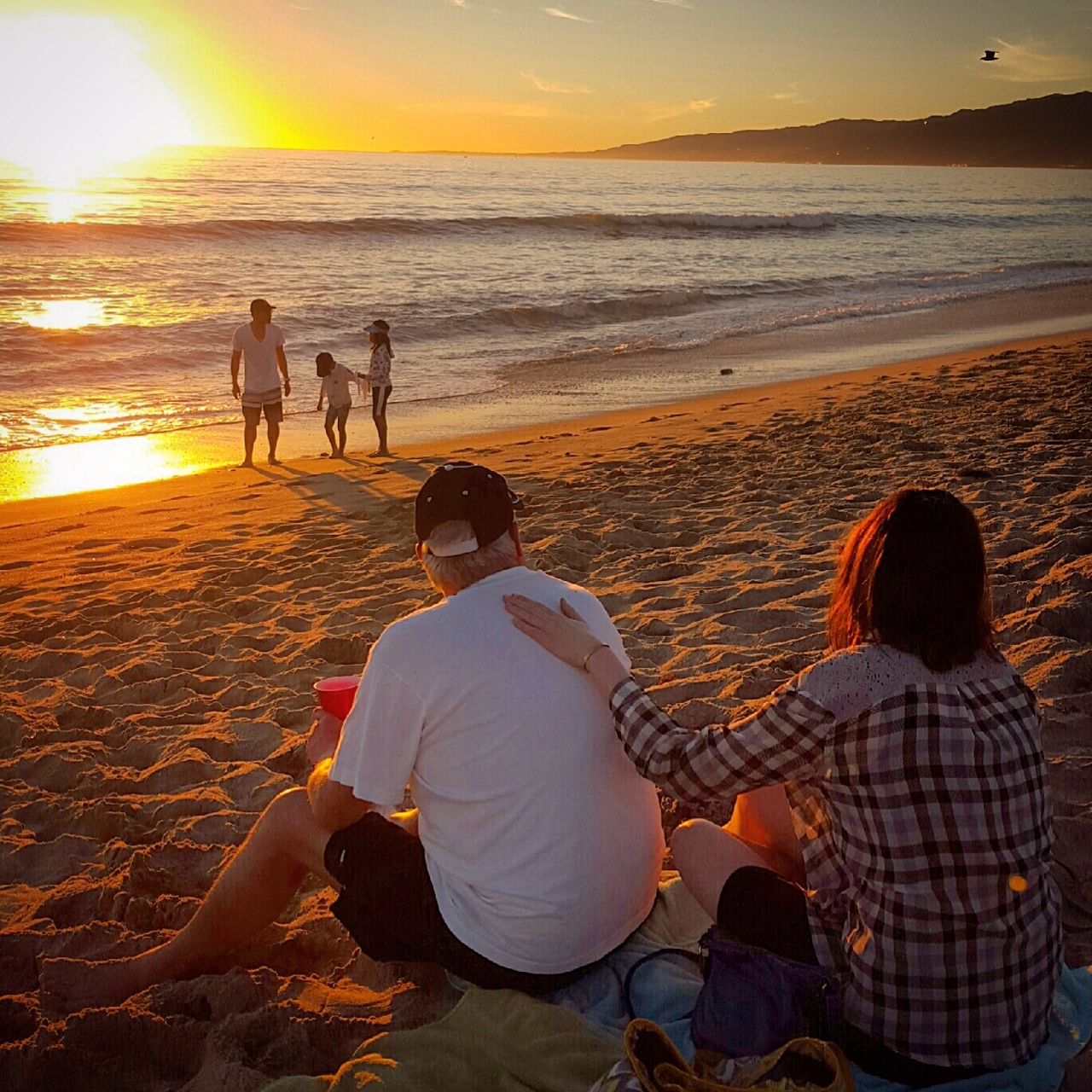
On President’s Day, armed with towels, a water canteen filled with fancy French champagne, and red Solo cups, the three of us marched north through Palisades Park, away from the throng of tourists. At Montana Ave., we descended steep wooden stairs, crossed the bridge over Pacific Coast Highway, and landed on Santa Monica Beach, sinking our toes into the warm sand. We waded in the ocean, the foamy waves lapping at our feet, and then settled into the sand. We filled our cups with fizzy liquid, raised them in a toast to Grandpa, and then turned our eyes toward the fiery orange sun slipping low on the horizon and fell silent.

I captioned a photo from that day, taken by my aunt of my uncle and I looking into the sunset, my hand resting upon his shoulder, with a quote from a letter that my grandfather wrote to me more than a decade ago: The beach never changes, ‘tis only we who change. Those words recalled a different time, and Grandpa was referring to a different beach, yet they still hold true.

I have changed. We all have. Given everything that has happened over these last three years, it would have been impossible not to. And while I have no idea what the future holds, little by little, I am learning to let go of my obsessive need to control it. Maybe this Monkey Year will be lucky. And maybe, as the Chinese zodiac asserts, it won’t be.  But two weeks in, I have decided that whatever happens, I will greet it with the same indefatigable spirit of my zodiac sign: with curiosity, with optimism, and with an unwavering sense of adventure.

Onward.

Until next time, friends.
IMG_6737

This blog.

I need to spend less time on this blog. It pains me to say that, but it’s true. It doesn’t mean abandoning it, it just means giving a little less of myself here, so that I have a little more of myself to give somewhere else.

IMG_2525

I am so grateful for Extra Dry Martini. I’m grateful for what it began as, and I’m grateful for what it has become. I started blogging just a few short months before my entire life hit the skids. As events shifted and spun around me, what started as an experiment to indulge my love of the written word rapidly became a lifeline. It became a vehicle to help me process overwhelming grief and loss, and was often my only avenue to connect with the outside world when I felt desperately alone. I know that writing is no substitute for therapy, but this blog became therapeutic because it enabled me to articulate my thoughts and feelings, to write them down, to look at them, and to realize that they didn’t have to define me. This blog has helped me gain clarity about who I am and who I want to be in a deep and profound way. It’s simply impossible to imagine my journey over the last two years without it.

Publishing a weekly blog post is intensely satisfying. It makes me feel a sense of accomplishment because in a relatively short amount of time, I can find a beginning, middle and end, and when I’m done, I get to share my post with the world. Writing is a lonely process and I’ve been very lonely as of late. Publishing regular blog posts assuages that loneliness and makes me feel a sense of connection and purpose. It allows me to dialogue with friends and fellow bloggers and to receive their feedback and validation.

But feeding the instant gratification that I crave has also allowed me to forestall bigger dreams. If I can feel validated as a writer in this space, why should I bother to tackle a larger, lengthier, more challenging piece? If I can share little bits of my soul each week, why should I bother to write the whole thing out, to map out my entire past, present and hopeful future? I love writing this blog, but it’s time to admit it: I have been using it to procrastinate. I have been using it to resist the pull of my bigger, more all-encompassing story. I have been using it to avoid what really scares me: to tell the truth, all of it, in long form.

IMG_2522

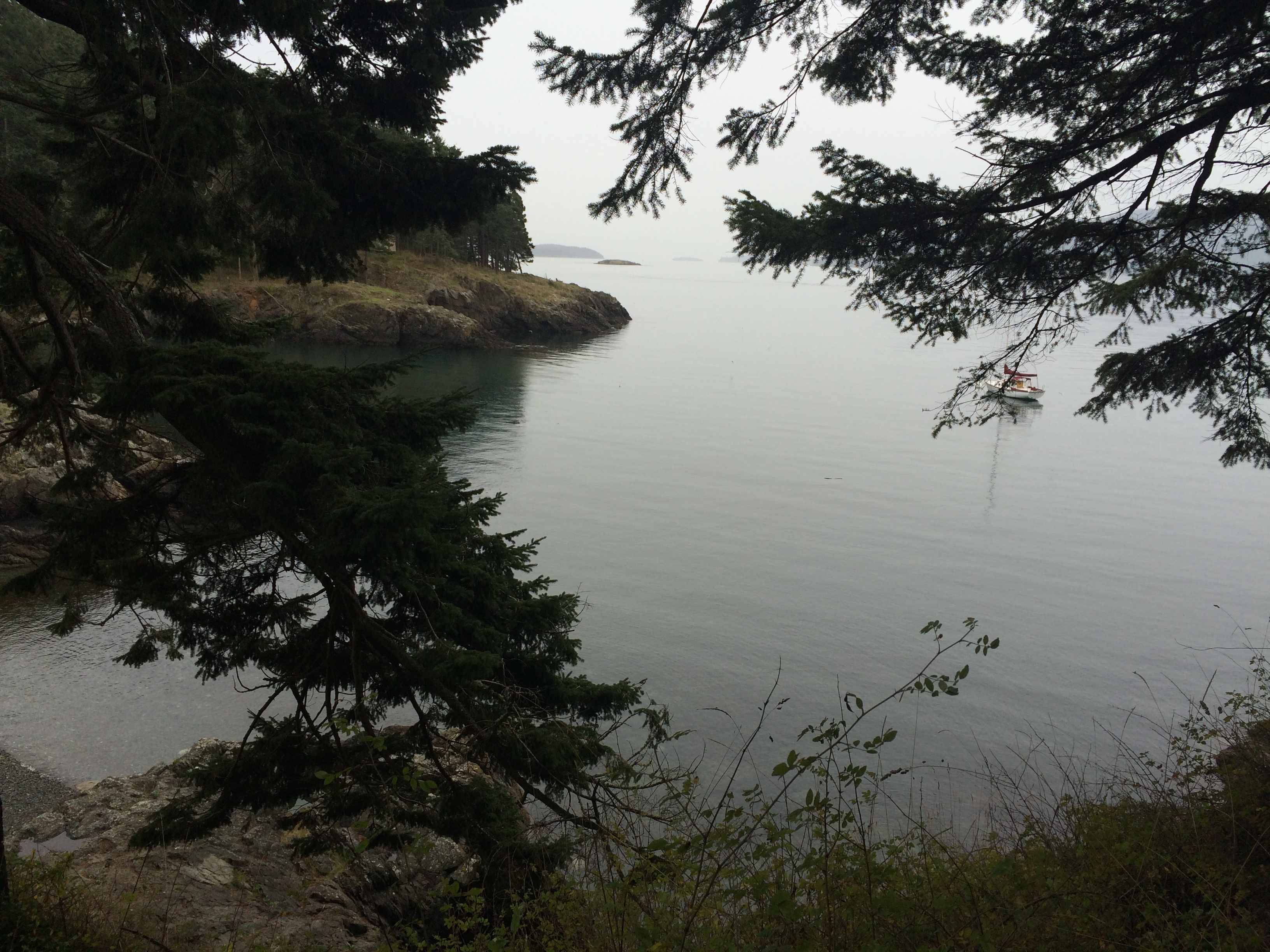
I’ve just returned from an intensive writing workshop on Orcas Island in northern Washington State. The workshop was actually less about writing and more about unlocking creativity and giving yourself permission to live the life you dream of. At least, that’s what it was about for me. Over the course of three and a half days, I listened to the stories of other writers from all walks of life and all different types of backgrounds. I focused inward. I asked myself some big questions. And what I came away with was this: I need to make a change.

This blog is intensely personal to me. It has formed the core of my heart over the last couple of years and has, at many times, served as my best friend over a difficult and tumultuous 2014. I don’t have any plans to abandon it. But the reality is, my life is full. I have too many things I want to do – admittedly, a good problem to have – and not enough time to do them all. And if I want to tackle some of the bigger writing projects that have been tugging at my heartstrings – projects like finishing my semi-autobiographical screenplay and writing my memoir – I have to make time and space in my life for them. Starting now.

I’m not exactly sure what that’s going to look like. Maybe it means enforcing a time limit on garbage activities like surfing Facebook or watching TV. Maybe it means that my posts here become a little shorter and a little less polished. Or maybe it means that not much of anything will change for the people who have been faithfully reading this blog, but the change will simply be an internal shift that only I’ll notice. I’m not sure yet. What I do know is that that the change needs to happen, and l’m approaching it in the same way I approach every topic I write about on Extra Dry Martini: with as much openness and honesty as possible.

Thank you for supporting me on my journey. You have no idea what it has meant to me. You have no idea what it will continue to mean as I move forward and throw my arms around the big, scary, what’s next question. So thank you. Thank you for reading. Thank you for helping me along the way.

And here I go.

Until next time, friends.

Xo

Sarah

IMG_2500

Blog at WordPress.com.