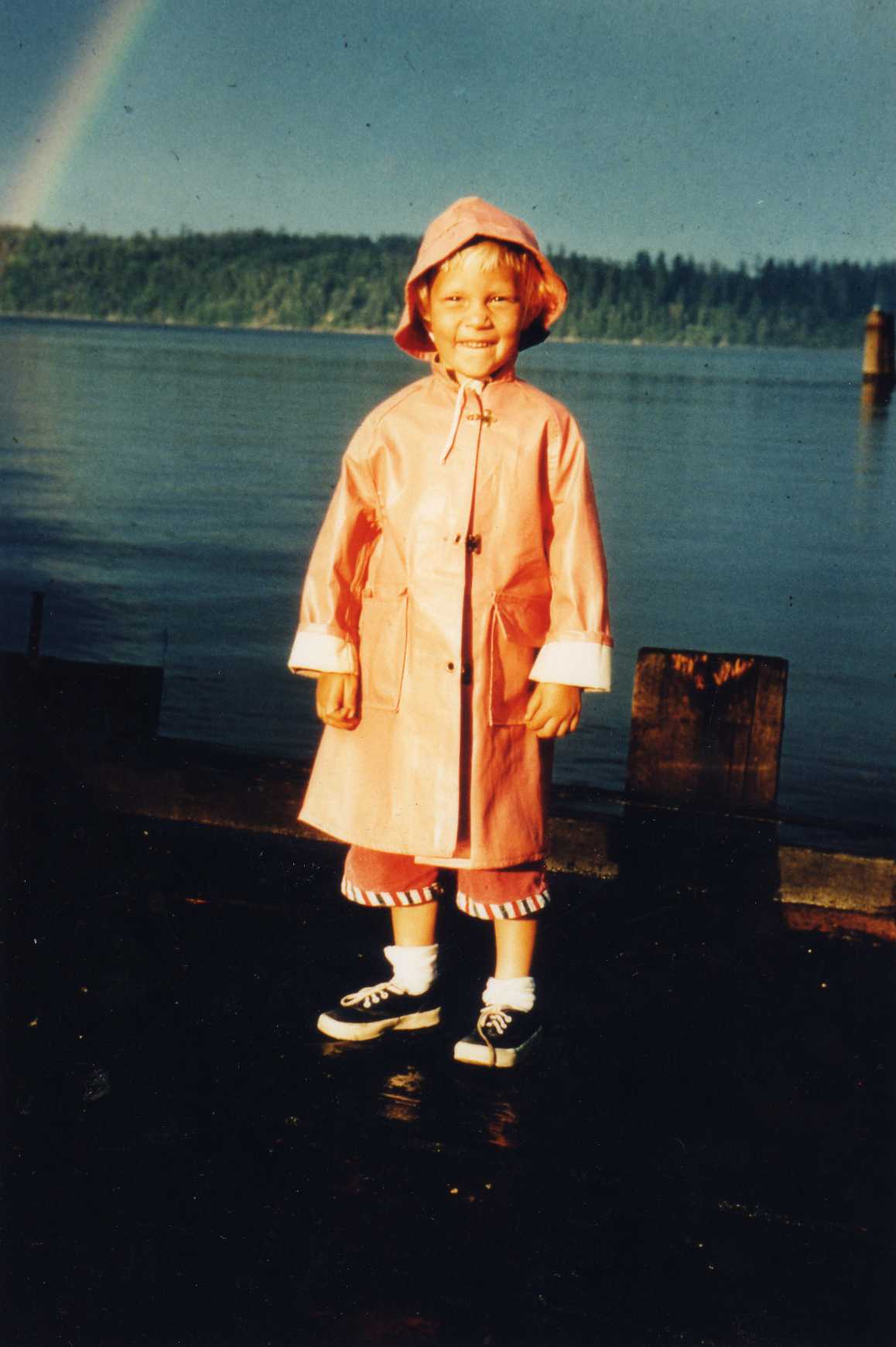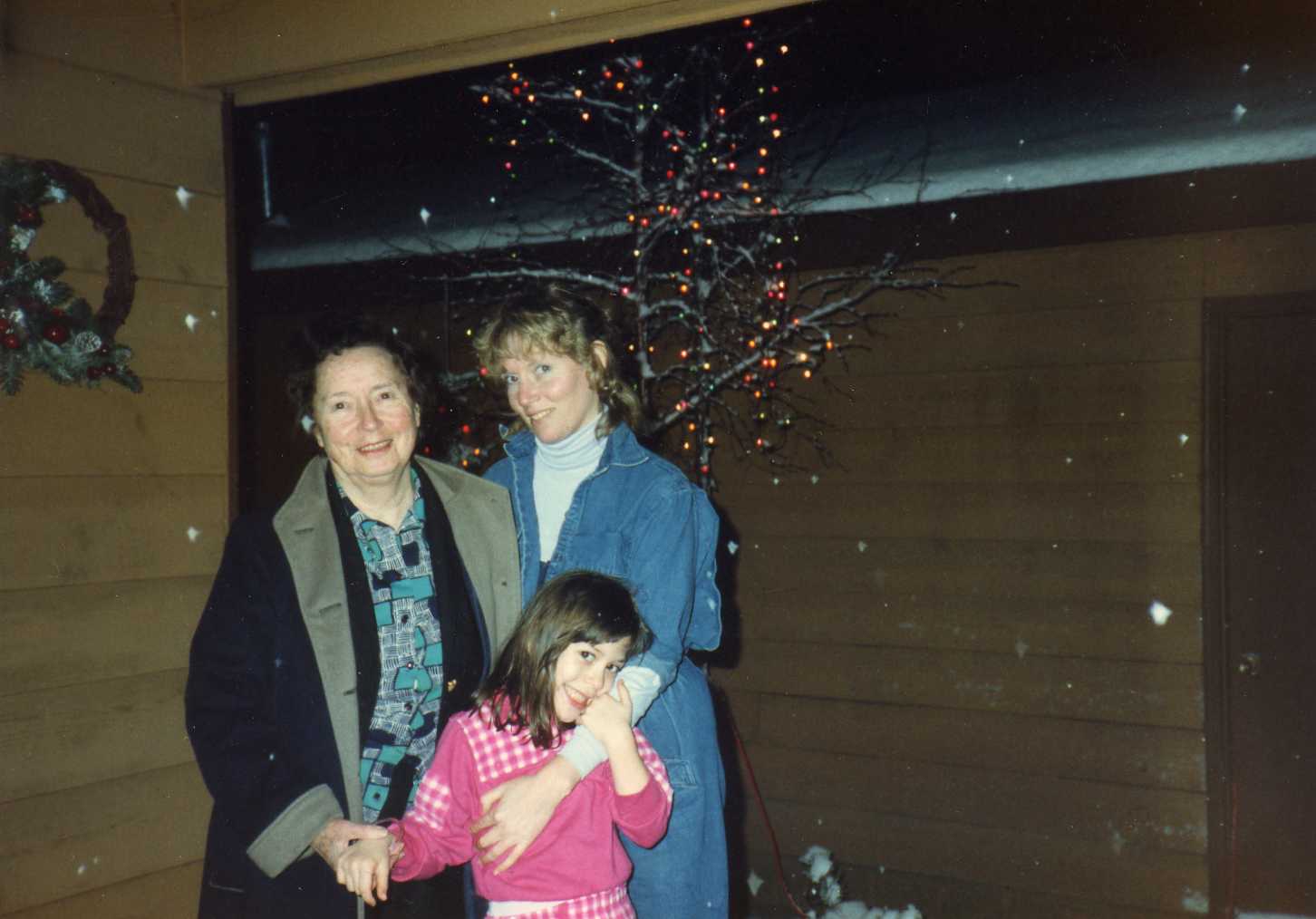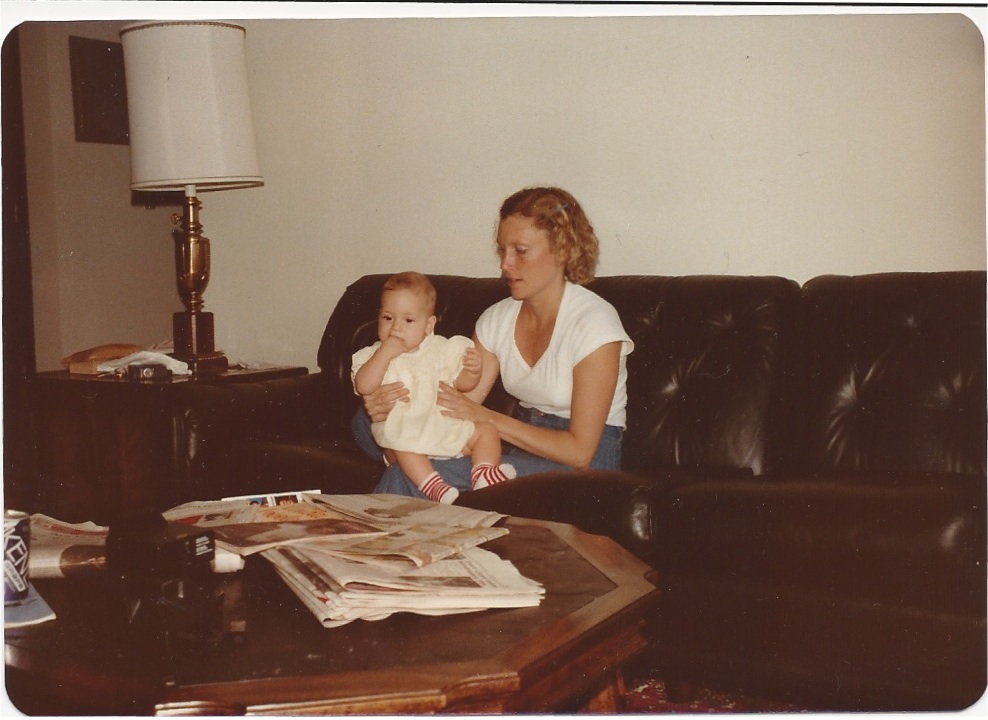
The things my mother gave me.

Scan 142120032

Today makes two years. It was two years ago today, on September 23rd, that I received the worst phone call of my life. It was Sunday morning and I was still in bed, my phone in the other room. I heard it ringing, distant, the musical jingle breaking through the quiet September morning. I rolled over slowly, a sense of unease already stirring in the pit of my stomach. It was too early; who could be calling? Not that early, true, but early for a Sunday. The first football game hadn’t started yet. On Fox, Terry, Howie, Jimmy and the gang were still making their predictions about which teams would win, still letting fantasy owners know which probable and questionable players were active.

I lifted myself up out of bed, crossed the room, and picked up my phone. I retrieved the voicemail, a tearful message from my Aunt Sandy, my Mom’s brother’s wife, telling me it was an emergency, telling me to call her, or my Dad, at home. I called Dad. I should have called her.

I think about that moment – that decision about who to call – often. I wish I could go back and redo it. My Aunt would have been gentler, would have been kinder when delivering the news. But it was my Dad that I wanted to talk to. My Dad, hard of hearing, elderly, gravely ill with stage four pancreatic and liver cancer. My Dad, who was incapable of softening the blow. ‘Mom’s dead,’ he said, across the line, distant, emotionless. The bottom fell out.

And so they began. Two years that would shake and stretch and shape me. Two years that would threaten to shatter me. Two years during which – at times – I struggled and fought and kicked and screamed and rebelled against circumstance, insisting upon being OK by the sheer force of my will. And two years during which – at other times – I gave in. Two years during which I almost gave up. Two years that carved a hole in my family, that carved a whole in my sense of who I thought I was.

Today, as I stand on the other side of those twenty-four months, scanning the distance between then and now, thinking about what and who I’ve lost, and what – ironically – I’ve also gained, there’s one image that’s burned in my mind.
10525590_10203354589998704_100421518368571484_n

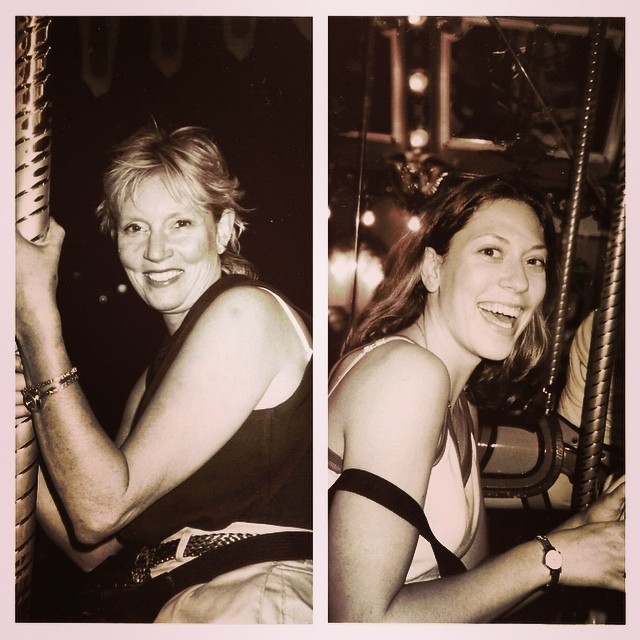
The image I can’t escape is of the last time I saw my mother. She is standing in the driveway of my parents’ house in Olympia. Rail thin, slightly disheveled, though she had pulled it together quite significantly from her collapse of a few days prior. Pulled it together for me, I suppose. We’ve just hugged goodbye, and after providing her with a list of caretaker referrals to help with Dad, after securing a promise from her that she’ll find a counselor, that she’ll talk to someone, I board the airport shuttle. As I turn to wave goodbye one last time, there’s a look on her face that I don’t think I’ve ever seen: it’s soft, yet sorrowful, with an intensity that’s completely unfamiliar, an intensity that’s very unlike my one-hundred-miles-from-intense mother.

I’ve thought about that moment many times over the last two years. I’ve wondered if she knew then that she was dying. I’ve wondered if she knew that this would be the last time she’d see me, her only child. I’ve wondered if the reason the look was so unfamiliar, if the reason she held me in her gaze so intently, was because she knew this was it, and she was trying to memorize my face. I’ve wondered if, in that moment, she was trying to memorize my face for all eternity.

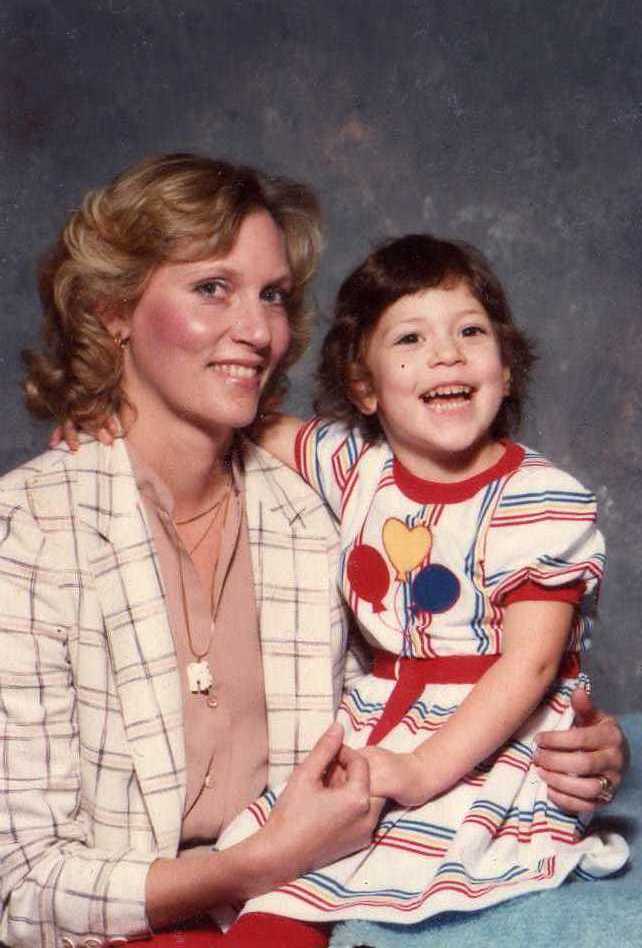
There are so many gifts that my mother gave me; she was generous to a fault. There were cherished treasures that she bestowed upon me while she was still alive, and equally valuable gifts that I could never have anticipated receiving after she was gone. In addition to the ruby and emerald rings, the gold pieces from her jewelry box, the vintage wardrobe gems like two pairs of knee high Finnish leather boots, a Chloe scarf, a pink hand-beaded Leslie Fay cocktail dress, there are other, less tangible, things I take with me. Lessons about the person I want to be, based on who she was, and who she wasn’t. There are qualities I strive to emulate – her kindness, her compassion, her generosity, her sweetness. There are things I’ll never achieve. I’ll never be as good of a chef as she was, never master her green thumb in the garden. And I’m definitely not as nice as my mother was, not as giving, not as yielding. I’m more stubborn, more argumentative, more selfish.
stub021

But many of the qualities that I admired about my mother also let her down. I can see now that she never took time for herself, never set boundaries, couldn’t say no to the demands of others, even when they were outrageous. I can see how people took advantage of her, and how she let them. I can see how she absorbed every harsh word, internalized every worry, how insecure and how fragile she was. I can see how she burned out, how she couldn’t ask for help, even when she desperately needed it.

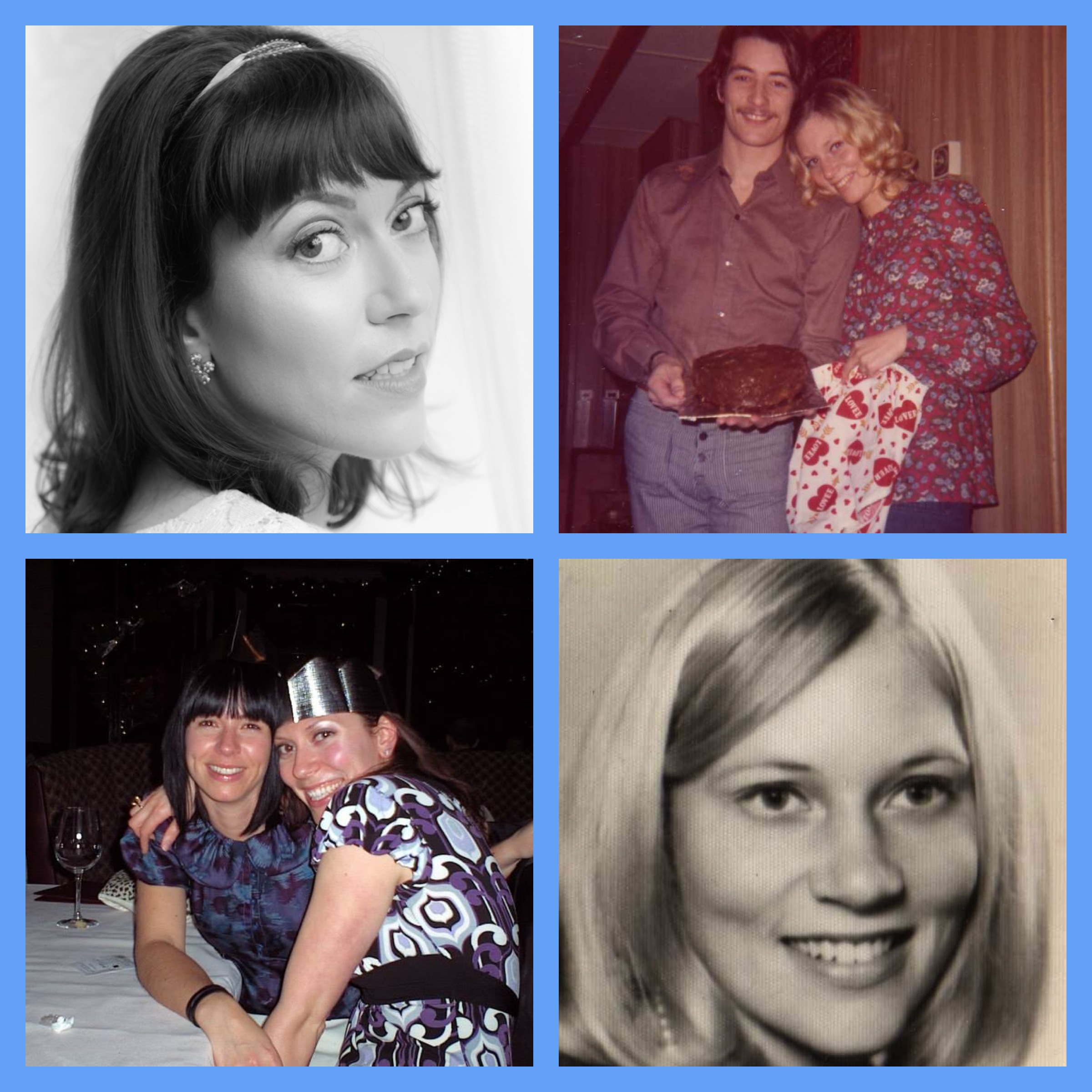
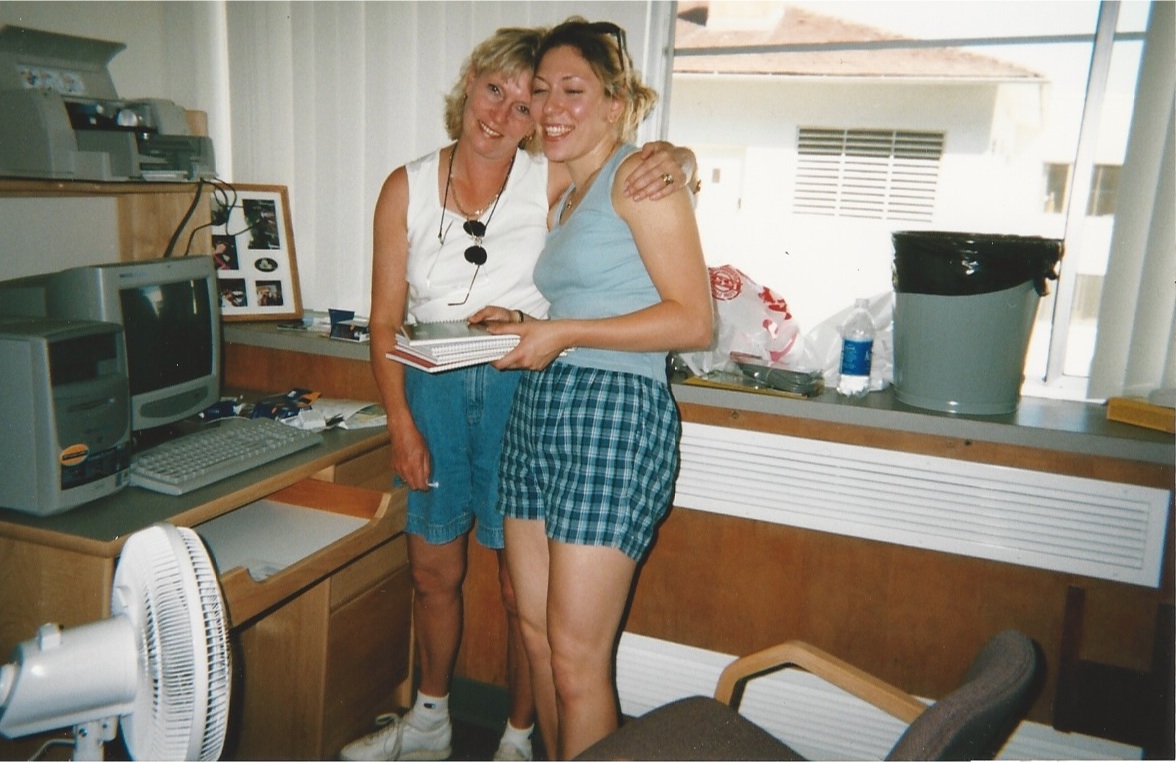
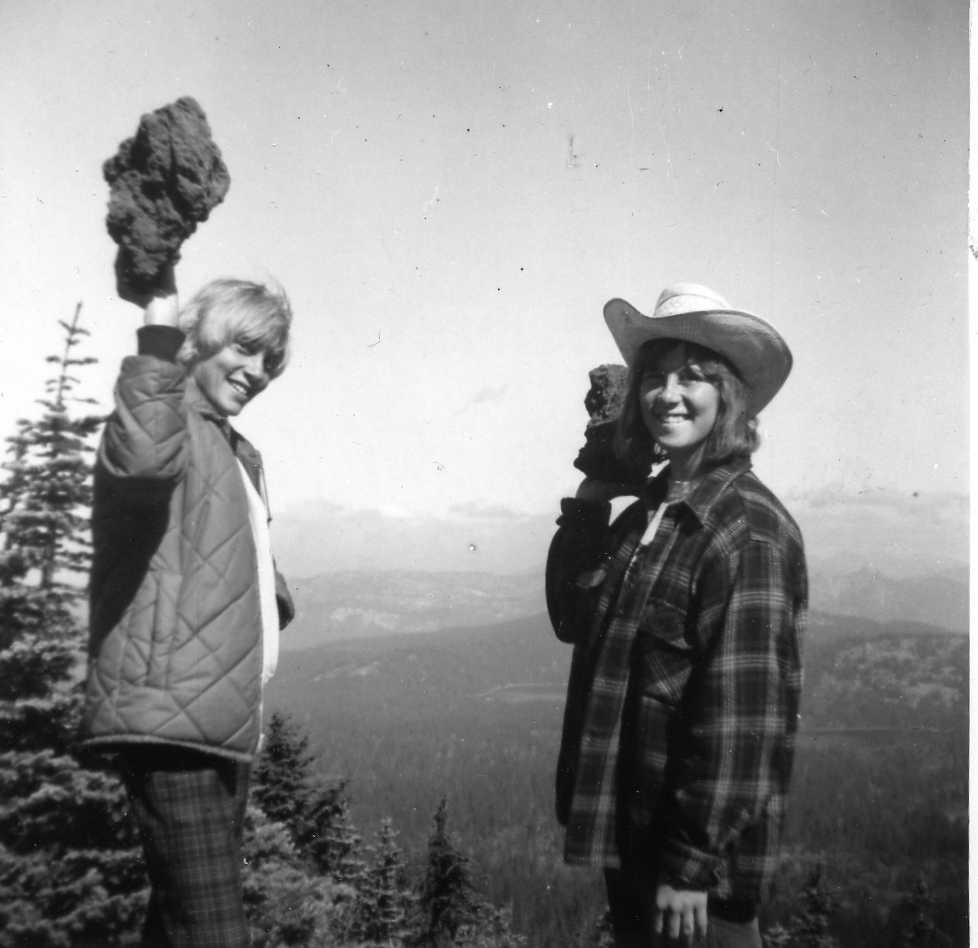
People who knew us both tell me that we’re alike, my mother and I. We have the same smile, the same laugh, the same mischievous sense of humor. We look alike and we even sort of talk alike. I’m grateful for all of it. But (I’m sorry, Mom), I’m also grateful for the ways that we’re not alike. I’m grateful that I’m able to set boundaries in order to protect myself, in ways that you couldn’t. I’m grateful that I’m strong enough to say no when something isn’t right for me. And I grateful that, though, like you, I’m strangely resistant to asking for help when I need it, I’m beginning to overcome that. I’m starting to ask. And I’m learning that when I ask, help tends to arrive, and it really does, well, help.

So on days like today – which are often – when I’m missing my Mom so badly that it threatens to overwhelm me, I try to hold on to what I know is true: my mother loved me, she wanted my happiness above all else, and she wouldn’t want me to use something like her not being here as an excuse to give up. She would want me to keep going. She would want me to be strong in ways that she couldn’t. She would want me to embrace my life.

Today marks two years since I lost the most important person in my life. Before I know it, it may be ten, twenty. But what time, what death, what grief can never wipe away are all the beautiful, generous gifts that my mother gave me. And on this day, two years hence, I pledge this gift to you, Mom: I promise to never stop pushing. I promise to take nothing for granted. I promise to be happy in every way that I can. And I promise to do all of these things, even when it’s hard. Even on days like today. Especially on days like today.

Thank you, Mom. I love you. I’m so grateful for everything you gave me.

Until next time, friends.
Scan 142500001-2

Saltwater.

photo 2

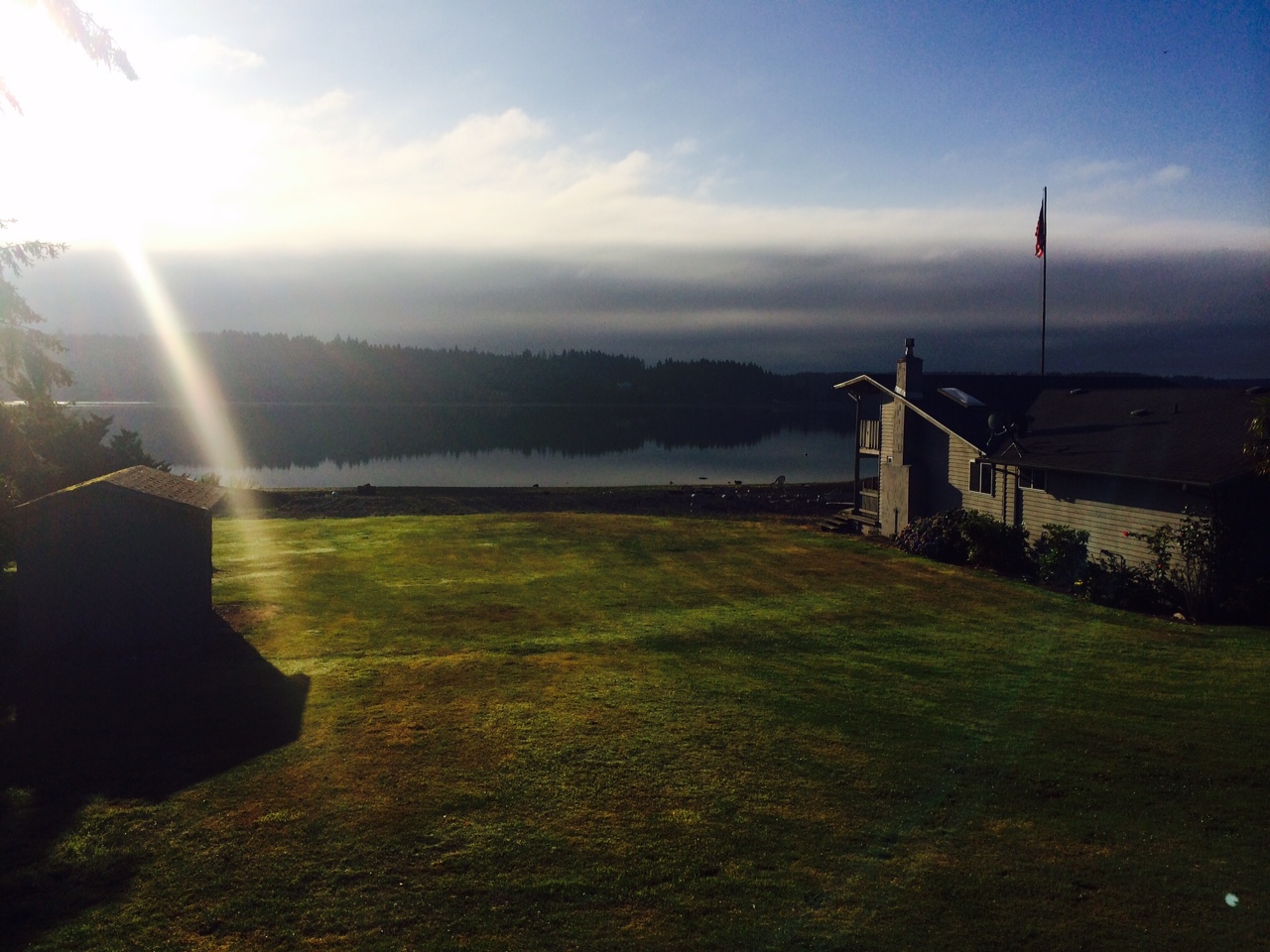
July 7, 2014 was a good day. The weather was warm with temperatures in the low 80s. Sunrays sparkled on a calm, tranquil, barely-rippling Puget Sound, and Mt. Rainier stood strong and stoic, a beacon against the bright blue sky. Summer had officially arrived in the Pacific Northwest, and I couldn’t imagine anywhere else I’d rather be on this perfect July day than out on Case Inlet in my Grandfather’s forty-year-old, freshly refurbished tin boat, just me, my uncle, my aunt and my mom.

The afternoon before, I had finally gathered up the courage to pry open the square, black plastic box that had been living in the manufactured home in Allyn, WA for the last twenty-two months. A box that contained a plastic bag sealed with a twist tie, and a tag that identified the bag’s powdery grey contents as the remains of my mother, Anne Popelka Kelly.

I’m not sure why I was so terrified to open that box, though I surmise it had something to do with the fact that once I finally did it, there would be no denying that all that remained of my brilliant, beautiful mother was a small container of ash and bone. There would be no denying that fact, nor would there be any denying another essential truth: that despite our brave, beating hearts, despite our grandest hopes and loftiest dreams, despite our fiercest passions and boldest aspirations, that we too, would ultimately be reduced to the very same thing.

I suppose that ever since I started losing members of my family, I’ve been running from the idea of my own expiration date. For all my talk of the fierce urgency of now, of the shortness of life, the truth is that I’ve been living ever-terrified of my own mortality, paralyzed in a sort of holding pattern that’s kept me from really letting go and embracing my life.

And every time I visited that manufactured home in Allyn, every time I visited her, that black box had been haunting me, mocking me, berating me for my inability to do the thing that needed to be done. Well, no more. I was finally going to do it. I was going to obey her wishes. And I was going to take a little bit of her with me, too.

I had purchased a sterling silver pendant with an amethyst at its base for the occasion. I unscrewed and removed the bale, and using the paper funnel I’d made, I carefully guided a small pinch of my mother’s ashes into the pendant, and then another pinch, conscious (OK, paranoid) not to spill. Once the ashes were safely inside, I applied glue to the bale, inserted it into the pendant, twisted, and secured it, using a tissue to gingerly wipe away excess glue.  All of my movements were laser beam-focused, with the precision of a brain surgeon.

Having completed that step, it was time. Time to do the big thing. The thing we’d been putting off for the last twenty-two months. My uncle, aunt and I were out on Case Inlet on that perfect July day because it was time. It was time to let her go.

And so we did. Cradling the black box in my arms, a silver ice cream scoop pilfered from my grandfather’s kitchen in hand, we boarded the old tin boat with the words ‘Popelka’ stamped on the inside.  With my uncle manning the outboard motor, we steered out toward the center of the bay, out past rafts and buoys. And when we found what we decided was a good spot, we began.

When we were done, we cruised around Treasure Island, (a tiny island populated by beach homes and way less exciting than the name implies) taking in the banks of statuesque evergreen trees. We waved at other boaters – especially the ones sporting Seahawks banners – the gentle July breeze blowing in our hair, the sun at our backs.

I’d shed more tears over my mother’s death and her absence over the subsequent two years than any other event in my life, but on that day, I didn’t cry. I laughed. As we launched powdery scoop after powdery scoop of my mom’s ashes into the sound, talking about her, taking in the beautiful day, I felt happy. I felt serene. I felt like I was finally doing something right. And after we brought the boat ashore, I jumped in the bay, losing and regaining both my flip flops in the process. ‘Cmon!’ I yelled at my aunt. ‘It’s too cold!’ she squealed in protest. ‘No it’s not,’ I hollered back, ‘it’s gorgeous!’

‘You sound like your mother!’ she laughed. Because no matter the time of year, no matter how cold the currents were, Puget Sound was never too cold for my mother. And as I dogpaddled through the water, inhaling saltwater, I felt lighter than I had in a long time. But it wasn’t just the saltwater making me buoyant, it was something more profound. It was sweet relief.

I briefly flashed back to a conversation I’d had earlier that day, over lunch with a family friend. We were discussing my life, the recent changes I’d been through, the open-ended nature of my future plans. ‘Aren’t you excited about your life?’ he gushed. ‘Anything can happen!’

Excited? That was another feeling I hadn’t felt in a long while. But floating in Case Inlet on that July day, it was one of many emotions I recognized flooding through my body. Having finally set my mother free, having sent her back into the sea she loved her whole life, I felt free too. As though the monster that had its claws into me these last two years had finally released its grip. Here, amidst all of this stunning natural beauty, I felt joyful. I felt grateful for my life. And yes, I even felt excited. Because anything can happen. And now – come what may – I feel ready for it.

Until next time, friends.
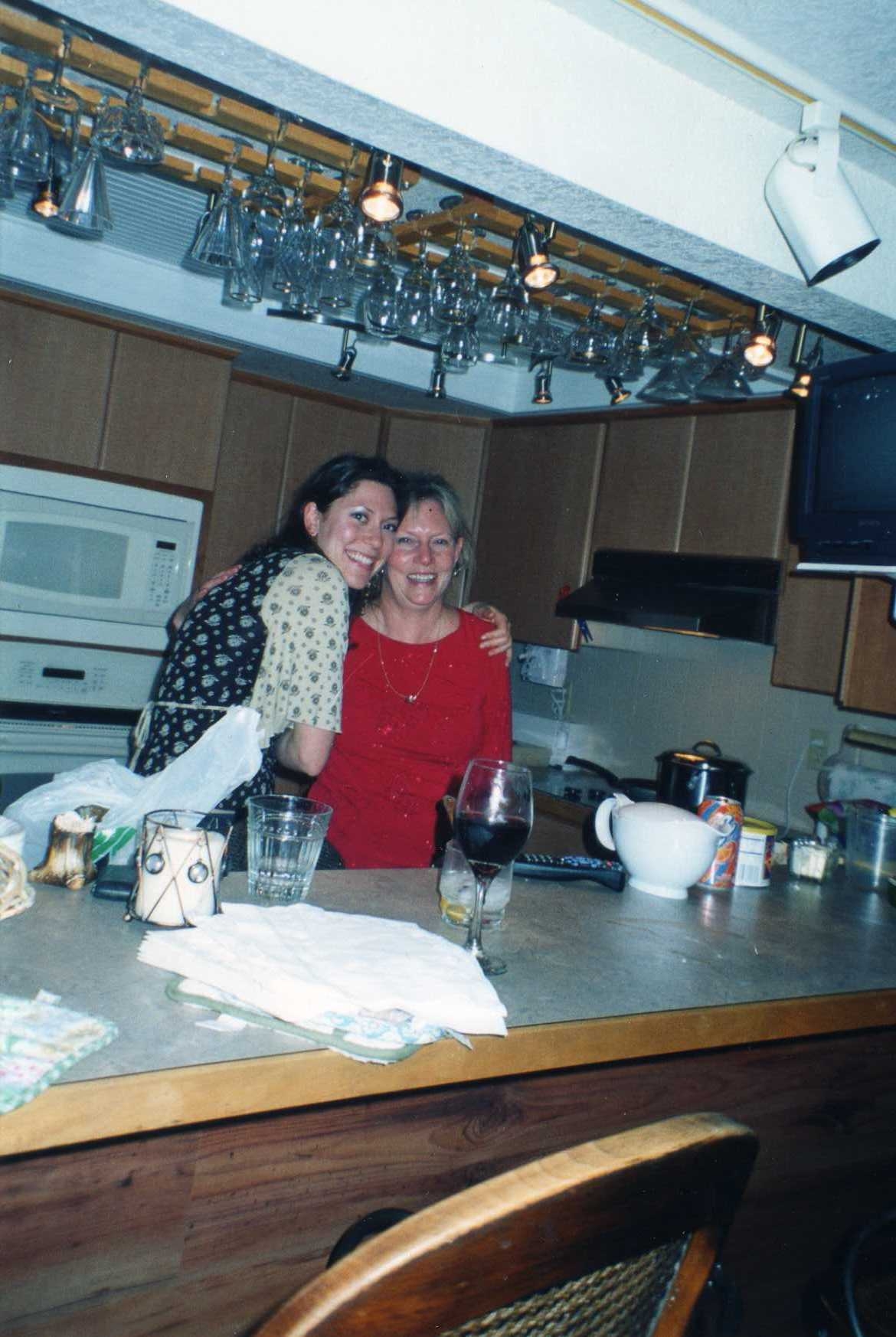
photo 4

Ice Water.

Hidden Lane Back View

You nearly died when I was nine. Though I might have been as young as eight, or as old as ten. I don’t remember. I do remember the fear.

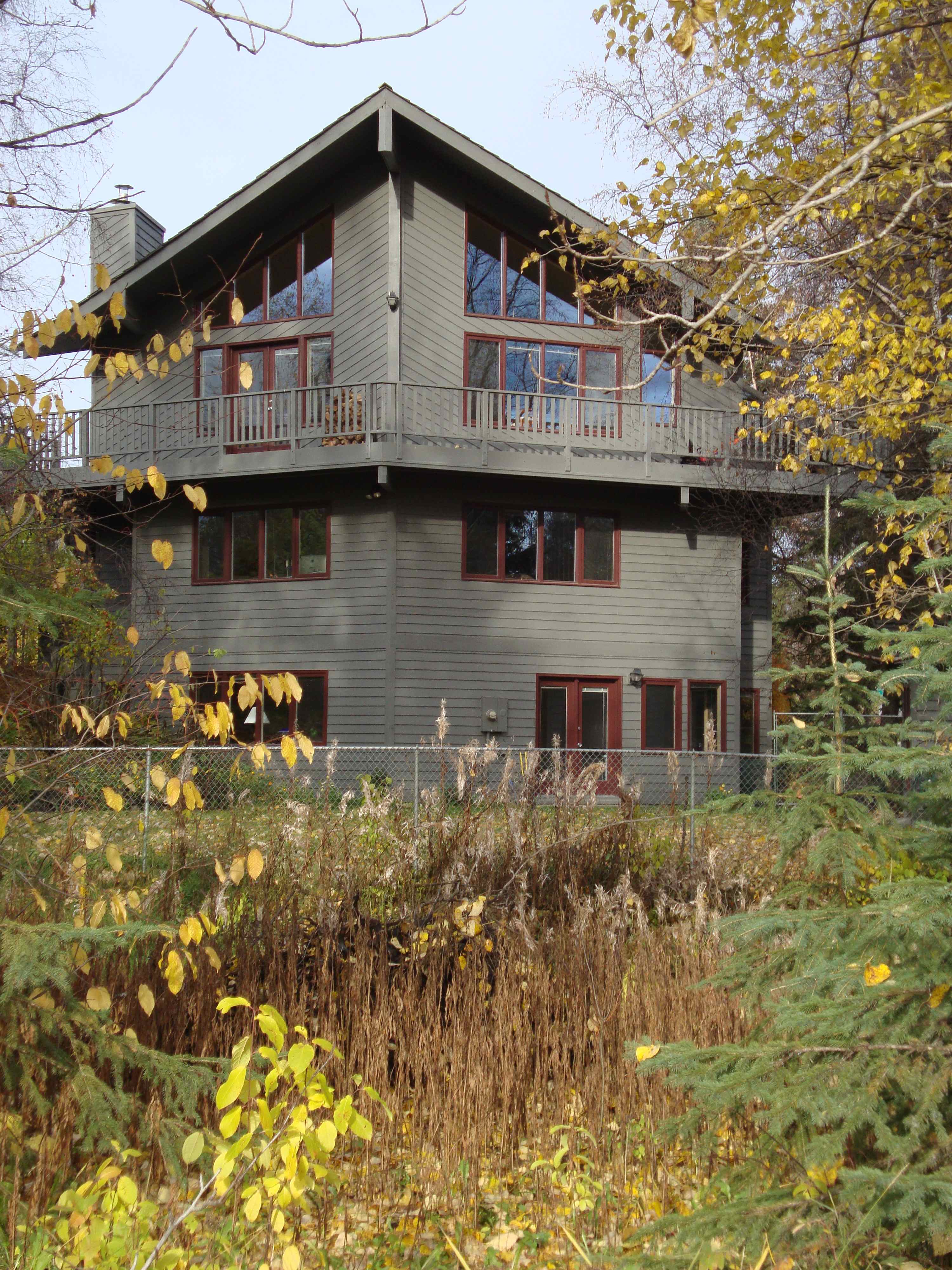
We were living in Anchorage, in the house on Hidden Lane. My mom’s dream house. The three-story Alaskan chateau with the cathedral-high ceilings and the great big skylights, the wrap-around deck, the window bench I used to clamber upon on special nights well after midnight when the Northern Lights were out, the vegetable garden where we harvested rhubarb to make pie, and the jacuzzi in the basement ‘spa’ room populated by my mom’s favorite plants.

I dreamt about that house often after my mother’s death. It had been more than fifteen years since I’d lived there but in my dreams I remembered every detail, every inch of it. That house was as much my mom as her aquamarine eyes or her easy laugh. She worked with an architect to design the floor plan to painstaking detail and she was so very proud of it, as if she’d built it herself with her bare hands.

But as magical as the house on Hidden Lane was, bad things happened there. Burglars smashed in the front door in broad daylight and stole jewelry from my bedroom before an alarm scared them away. My parents fought frequently, often about my father’s drinking and the need for him to retire from his law practice. My mom, miserable during the cold, dark Alaska winters, suffered sad spells and would lock herself in her bedroom for hours at a time, refusing to answer or come out. More than once, I fell asleep curled up on the carpet outside her door, keeping vigil.

And then there was the night you almost died. Mom and I were upstairs, watching a movie. I think you and she had fought about something, but that memory, like many during that time, is fuzzy. What I do remember is the moment mom wondered aloud where you were and her eyes met mine and we both knew in an instant that something was wrong. We flew down the stairs – two or three at a time – to the basement. As we got closer, we could hear the hot tub whirring and I felt fear churning in my stomach.

And then we saw you: submerged under water, eyes closed, face purple. I thought for sure you were dead. It was the first time in my life I felt real terror – the kind that plunges into your chest like a swift, steel dagger, a sudden attack of ice water in the veins, freezing, expanding, breaking you apart from the inside out.

I remember mom pulling you out, screaming, crying, yelling for me to call 911. I don’t remember dialing the numbers, but I know that I must have done it because there was the operator’s voice on the other end, talking me through CPR. There was me, relaying instructions as mom went through chest compressions and mouth to mouth resuscitation. There was mom, turning you over on your side, and you, vomiting up water, coughing, choking, gasping for breath. And you didn’t die. Not that day.

The ambulance arrived, and you went to the hospital. And 24 hours later you and mom were off on vacation somewhere much warmer than Alaska – Hawaii or Mexico, I don’t remember – as though nothing had ever happened. If it wasn’t for the terror, the shock of ice water in my veins, I would think that I dreamt the whole thing up, that it was all just some hazy nightmare.

But I didn’t dream it. It was real. It happened. I wouldn’t feel that same terror, that same sudden, swift dagger again for another twenty years. Not until the Sunday morning when I received a panicked voicemail from my aunt telling me to call home, and you answered the phone and informed me in a flat, distant tone, ‘Mom’s dead.’

The night you nearly died was my first time, my first experience with real fear, my initiation into a world that wasn’t so safe, a world where everything could shift in an instant. It left an indelible mark. When the feeling visited me again many years later, I knew right away what it was, what it meant – that ice water, that steel dagger, that lightning strike of pure terror. After all, you never forget your first time. Do you?

Coastal Trail

Mother’s Day.

photo 2

This past Sunday was the first Mother’s Day that I actively celebrated since my Mother’s death. It feels weird to say ‘celebrated.’ I certainly didn’t feel like celebrating. But I also felt that it was important not to feel sorry for myself or wallow in my Mom’s absence, but rather to observe the day doing things she would have enjoyed, and to be as happy as possible and as grateful as I could be for all that I still have.

Last year I ignored Mother’s Day altogether – or at least, I tried. It was a pretty loaded and impossible day. Not only was it the first Mother’s Day since my Mom’s passing, it was a mere three months after losing my Dad to cancer, and just a few weeks after my maternal Grandmother succumbed to aggressive Alzheimer’s disease. From the fall of 2012 through the spring of 2013, the hits came hard and fast. So I threw myself into work and felt grateful that when Mother’s Day arrived, I was in the midst of the six week run of a play. We had a performance on Mother’s Day, and that, combined with producing duties, gave me plenty to focus on. I stayed busy, I stayed distracted, and I pretended the ‘holiday’ didn’t exist.

Feeling more proactive and better prepared this year, I made a Mother’s Day plan with Zoe, one of my best girlfriends who had lost her own Mom way too young. We went big. We reserved a table at the fancy pants Ivy at the Shore in Santa Monica – the exact type of place my Mom would have loved. Covered in fragrant florals, it’s a large, bright, breezy space with windows overlooking Ocean Ave. and the Pacific. Everything is overpriced, and obsequious servers in pressed pink shirts and flowery ties abound. Oh so Mother’s Day. Oh so perfect.

Just two days earlier, Zoe had accompanied me to see a friend’s play that was unexpectedly, a sort of emotional primer for the upcoming holiday. The story revolved around a family’s attempts to cope when the matriarch is suddenly afflicted with a debilitating neurological disease. She goes from a vibrant, highly capable and driven career woman to someone rapidly losing control of her speech and body. In one particularly heartbreaking scene, the family’s oldest daughter – who is halfway across the world – places a desperate phone call home on Thanksgiving. She doesn’t want to speak to her grandmother, or father, or sister. Only her Mom. And the Mom, who can barely move or speak, doesn’t think she can do it. But with the grandmother holding the phone to her ear, she manages to stammer through the conversation, finding strength she didn’t know she had to shakily get out the exact words of comfort that her daughter needed to hear.

That scene killed me. And at the end of the play, when Zoe and I both emerged from the theater with red, puffy eyes, I knew it had affected her as much – if not more – than me. Because as much as the fictional circumstances of the play were different than the real events of our lives, there’s something so identifiable about being sick, or sad, or in trouble, and the only person you want to talk to – the first phone call – is to Mom, because you know that no matter what, she’ll be able to make it better. And there’s something so final, so devastating, about no longer being able to make that call.

photo 1

I take comfort in the fact that even though she’s no longer physically here, my Mom is still with me. After all, our parents made us, so how could they not be part of us, inextricably linked? I believe there’s a love there that transcends our physical being, and that’s something that death can’t take away. But I’ll tell you what I miss. I miss the care packages on Valentine’s Day and Easter; care packages that were sent to me long after I was too old to receive them, filled with candy and stickers and silly things. I miss the phone calls on my birthday, when every year without fail, my Mom would sing me a slightly off-key version of Happy Birthday, always ending it by telling me that the day I was born was the happiest day of her life. I used to roll my eyes when she said it, thinking it was so cheesy. Now I’d give anything to hear her say it again. I’d even give anything to have her berate me for not getting enough sleep, or to dismiss a bad mood I’m in by telling me that I’m simply ‘not eating enough protein.’ Isn’t it ironic how all the stuff that used to drive you crazy about a person becomes the stuff you miss desperately once they’re gone?

All things considered, the first Mother’s Day I observed sans Mom was a pretty good one. I shared a lovely and indulgent brunch with one of my dearest friends. The weather could not have been more sunny, warm and Southern California perfect. In the afternoon, I struck the right balance between productivity and relaxation (I’ve always been a work hard, play hard, sort of girl). I was doing great, I really was. And then, leaving the Trader Joe’s parking garage, the friendlier than usual attendant wished me a Happy Mother’s Day, and then– off my face – followed it up quickly with, ‘Are you OK?’ “Yes!” I replied, a little too enthusiastically. He smiled. “I like the flower in your hair,” he said. Ah, bless you, kind stranger, for providing me that small victory. I thanked him and drove off, trying not to cry.

Grief is so funny. It’s rarely what you think will get you – the big stuff – that does it. More often than not, it’s something silly, like the off-handed comment from a well-meaning stranger. Or the restaurant getting your lunch order wrong. Or receiving a piece of news that’s so exciting you can’t wait to pick up the phone and call Mom and then realizing . . . you can’t.

In a way, it’s sort of like every day is Mother’s Day to me since I lost my Mom. I’m never not thinking about her, I’m never not appreciating all the wonderful things she gave me, and I’m never not wishing that she was still here. If you’re lucky enough to still have your Mom, don’t wait for Mother’s Day to hug her, or to send her flowers, or to tell her you love her. Please. Do it for me. Because I really wish that I still could.

Until next time, friends.
usc grad hug

Faith.

photo-5

The dictionary defines the word faith as “belief that is not based on proof,” and “confidence or trust in a person or thing.” Faith is unscientific. More often than not, it is identified with religion and a belief in God.

My whole life, I’ve been sort of ambivalent about religion. Both of my parents were Catholics, though my Dad was much more devout than my Mom. Mom bore the unfortunate scars of Catholic school-inflicted trauma. She’d frequently recount tales of nuns that were so terrifying – routinely smacking their students with rulers, preaching of fire and brimstone – that she’d pretend to be sick so she wouldn’t have to go to school. Mom lived in fear of those nuns, and though she eventually returned to the church, that fear created a tension between her and Catholicism that stayed with her throughout her life.

So, between a mother that was skittish about religion, and a father who, while a believer, preferred watching sports on Sundays to going to mass, church attendance throughout my youth was sporadic at best, and mostly reserved for holidays like Christmas and Easter. Though I always felt pretty comfortable in the church, as I got older, my liberal politics – particularly my support for gay marriage and a woman’s right to choose – created a disconnect between my beliefs and the Vatican that I couldn’t reconcile. So I mostly stayed away.

As a liberal, I have a lot of friends who are atheists: a belief that I respect. I think it’s actually quite brave to believe that this life is all there is, and when it’s over, that’s it. But to be completely honest, that idea terrifies me. I find comfort in the idea that our souls carry on beyond the lives of our bodies, and that our spirits are so much more than our physical being. If you’ve ever been with someone you loved when the life passed out of them and seen that they simply weren’t there anymore, you know what I’m talking about.

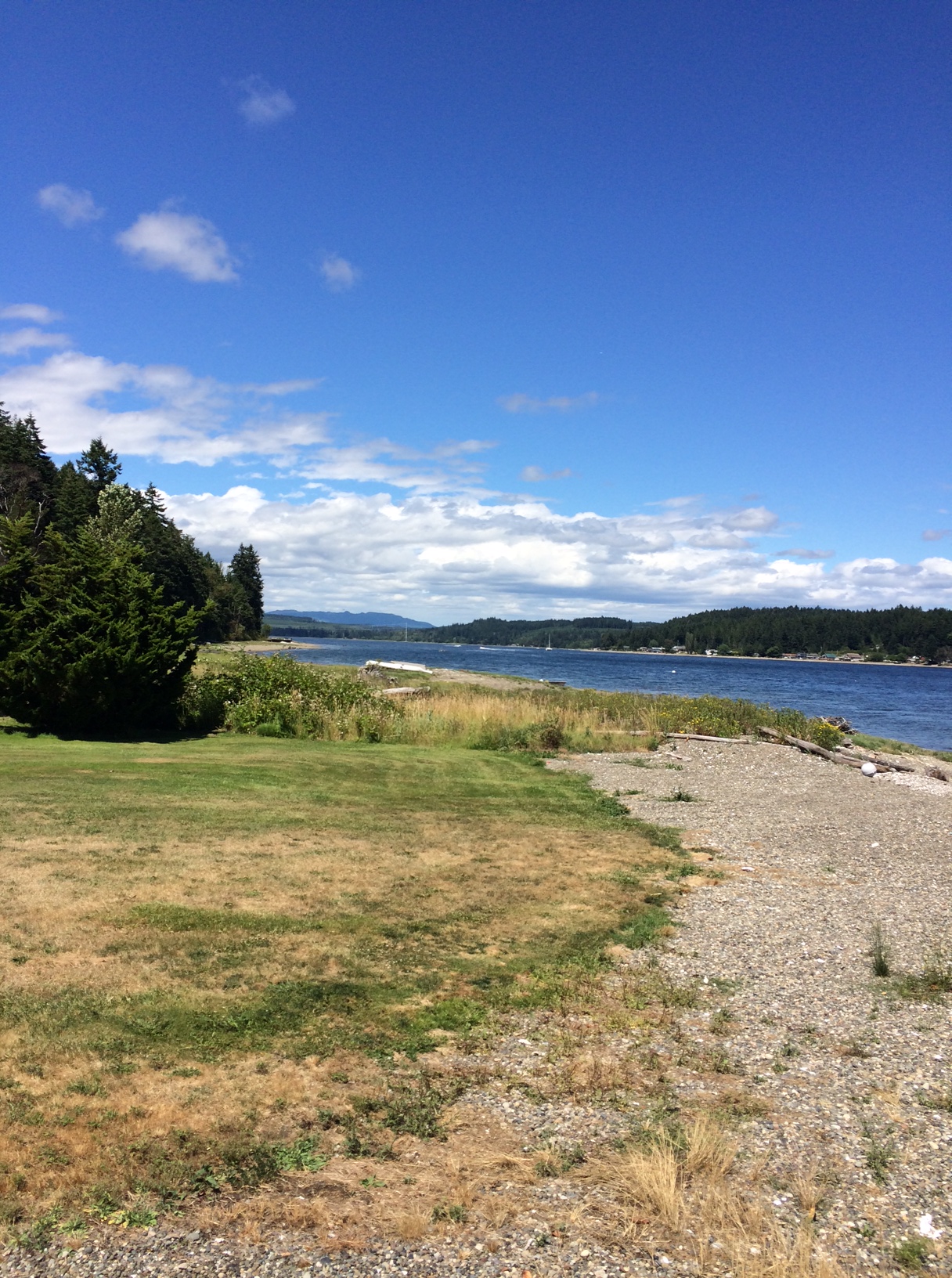
September 29, 2012 was the date of my Mom’s memorial service. It was an informal waterfront gathering in Allyn, WA, on a parcel of land that’s been in my Mom’s family since the late 1950s. It’s a sort of family compound (my Grandfather, Aunt and Uncle all still live there) that we simply call ‘the beach.’ Despite spending the first fifteen years of my life with a permanent residence in Anchorage, Alaska, I essentially grew up at the beach, as did my Mom, and my Uncle Glenn. It was my Mom’s favorite place in the whole world and the only fitting place to hold her service.

That evening, sitting on the deck of my Grandparents’ house starting out at Case Inlet, I was struck by how beautiful everything was. It was an uncharacteristically warm, clear day for late September in the Pacific Northwest. The sound was flat as glass and reflected the heavens like a mirror. An enormous full moon gleamed bright white, hovering over a big-as-life Mt. Rainier. All was so calm and quiet, you could have heard a pin drop. And as I sat and stared out at the sound, for the first time in the weeklong chaos following my Mom’s death, I felt a sense of peace. I knew that she was here, that she was with me.

The skeptic in me immediately chimes in that I wanted to feel her with me, and that, of course, is true. But I simply can’t explain the power of that moment. It was as though the sea and the sky wrapped me up and held me in a warm blanket, and through the tremendous beauty of my surroundings and the almost trance-like calm that came over me, I could feel my Mom whispering to me, “I’m here. I’m O.K., Sar. I’m home.”

But the most powerful exchange I’ve had with my Mother since she passed on happened last Christmas, and it’s something I’ve told almost no one, and certainly not in as great of detail as I’m about to recount here, because it’s so incredibly personal. I was at the beach, and – as usual – staying in a mobile home on a piece of property adjacent to my Grandparents’ beach cabin. The mobile home and the piece of land used to belong to my parents but was willed to me after their deaths. And while I’m grateful for the inheritance, truth be told, I hate that trailer. My Mom inhabited that thing during the darkest period of her life, and the energy it contains is heavy and oppressive and oh so sad. Some joyful day I will raze it to the ground and build a new home in its place. But, I digress.

The trailer is also – until the perfect summer day meets my Uncle and I finding courage enough to scatter them – the temporary home for my Mother’s ashes. Whenever I stay there, I talk to my Mom. Sometimes, I hold the box of ashes in my arms and hug them.

But on this particular day – last Christmas Eve – I had hit a serious wall. After more than a year of being in survival mode, of moving from one crisis to the next, of working so very hard and keeping myself so very busy as a distraction from the weight of all the emotional baggage I’d been carrying, I finally, finally hit zero. I simply couldn’t pretend to be OK anymore. I’d arrived at a place of overwhelming hopelessness and despair. I knew I needed to change, but I didn’t feel strong enough and I didn’t know where or how to begin.

And so I cradled the box containing my Mom’s ashes and I wept. This emotional actress has cried a lot of tears in her life, but I have never, ever, cried like that. Uncontrollably, unceasingly, just this river of emotion. I didn’t ask, I implored. I begged. “Mom,” I sobbed, “I don’t know what to do. I am so scared. Please help me. Please tell me what to do. Please, Mom.” I have never been more humble. I have never been more afraid. And I have never wanted my Mother more.

I don’t know how the universe works. I don’t know if my Mom heard me that night, or if I was just crying to myself. But I do know that in my darkest moment, I asked for help and then help started to arrive. It wasn’t in the form I wanted. It arrived in a way that wasn’t pleasant; help arrived in the form of an unseen hand that grabbed me by the collar and shook me hard and slapped me across the face and screamed, “wake up!” It was a hand that pushed me through pain in order to make it clear that the only way out was through, that in order to live, a part of me had to die. It was gut-wrenching, but I can see now that it was what I needed.

Four months after that dark, dark Christmas Eve, my healing has been dramatic. I still have a steep mountain to climb, but I am more optimistic, more creative, and less afraid. I am making my choices out of hope now, rather than out of fear. I’m learning to trust myself again.

I don’t know exactly where I come down on the God question. But if faith is a belief in something that can’t be seen, then I have it. And time and time again, over the last two years, when I’ve stepped into something having nothing but faith, that faith has been rewarded. I’ve seen and felt too much not to believe that there’s a force out there that’s bigger than me. A force that’s compassionate, a force that wants me, you, us, to be our highest and best selves. I don’t know if that’s God or the universe or magic or what. All I know is what I’ve felt in the deepest reaches of my soul, and in the darkest moments of my heart. That’s my truth. I don’t need it to be anyone else’s, but it’s mine.  And now I’ve shared it with you.

Until next time, friends.

stub039

Ghosts.

stub020

Grief experts will tell you that with time, eventually you’ll get to a place where the memory of a lost loved one will make you smile and think of happy times, rather than dwell on the pain of the loss.  How long this takes is, understandably, unique to the situation, and to the person who has suffered the loss.

It has been a year and a half since I lost the most significant person in my life, my Mom, and I’m not there yet.  The passage of time has helped – the nightmares that used to come frequently now occur only once every so often and they’re less wrenching and raw than they used to be, and certain triggers like a photograph or a song or a movie don’t affect me as much as they used to.  But there’s still that ever-present ache that tugs at my insides whenever I think of her.  And I’m never not thinking of her.  I keep myself busy and distracted so that for a time, I can forget.  But, like a shark that has to keep swimming in order to breathe, I have to keep moving, or I will drown.

Unlike other loved ones that I’ve lost, there’s very little peace to be found around my Mom’s death.  She haunts me like a wounded ghost, crying out for my help.  Help that I wasn’t able to give her when she so desperately needed it.  No matter how many people, especially those with intimate knowledge of the situation, tell me that I shouldn’t feel guilty or hold myself responsible for her death, I can’t help but think what if?  She was closer to me than anyone else in the world.  She trusted me; she told me secrets that she never told anyone else, secrets that I, in turn, will never tell.  In many ways, from a very young age, I was often the parent, and she was the child.  She took care of me, but I took care of her too.

caramel apples

But for the last year or so before she died, and in particular, the four months between my Dad’s cancer diagnosis and her death, I didn’t understand her behavior.  It was crazy, it was irrational, and it scared me.  She would send me emails at 3 a.m., rambling on about one nonsensical thing or another, she wouldn’t shower for days, she refused to eat and her body became rail thin, and worst of all, she barely seemed to know who I was.  The most terrifying thing of all was the blank stare, as though she was looking through me, (me, her person) and I didn’t exist.  Then the phone calls came, hysterical.  ‘Mom,’ I said, ‘I think you’re having a nervous breakdown.  I’m worried.  I think you need to talk to a professional.’

I put the resources in her hands but I didn’t make the calls.  I left it up to her, and of course (I can see now), she didn’t and couldn’t do it.  She told me that she had found someone, a psychiatrist, but when I looked up the doctor’s name online and couldn’t find any record of her, Mom said that she was ‘really new,’ to her practice.  I knew she was telling me lies; that she’d made up an imaginary doctor to get me off her back, but what could I do?  What should I have done?

It’s those questions and those relentless what ifs that will drive a person crazy.  I was my Mom’s best friend and she was mine.  She leaned on me so much throughout her life, but when she needed me the most, she pushed me away, and slammed the door in my face.  And even worse, I let her do it.  Was she suffering so much that she didn’t want me to intervene, and she just wanted the pain to be over?  Or did she desperately want my help but was trying to protect me, and she just needed me to push harder and to be tougher and to not take no for an answer?  These are the questions in which my nightmares take root.

me and mom kitchen

Recently, I was in New Orleans to celebrate my sister Marion’s birthday, and we had our palms and tarot cards read by a lady named Miss Irene.  Miss Irene is 86 years old and has been reading cards since she was 16, a total of 70 years.  She looked at some lines on my palm and told me that I’d lost a lot of people that I loved and that they were now my angels watching over me.  Be skeptical if you want to be – I am – but I’m telling you, this lady was no joke.

I wonder:  when will the ghost that’s haunting me become the angel watching over me?  When will the good memories of my Mom – of which there are so, so many – replace all the pain and the guilt and the terrible, relentless what ifs?  We were so very different in so many ways and yet, we were the same.  No matter how much I’m my own person, for the rest of my life, she’s in me.  I am her and she is me.  There isn’t a moment in the last year and a half that she’s been gone where I haven’t wondered, ‘What would Mom do?’ or ‘What would Mom think about this?’  There are times when I’ve done exactly what she would have wanted, to honor her, and times when I’ve deliberately acted out and done something she would have hated, like a rebellious teenager out to assert my independence.  No matter.  She is always, always top of mind.  Being as kind, as compassionate, and as lovely as she was is my greatest aim, and avoiding her pitfalls is my greatest challenge.

For better or for worse, my Mother – the way she lived and the way she died – is the ghost that I am living with.  Pain aside, maybe it’s not such a bad thing to be haunted.  At least, as a ghost, I won’t forget her.  She is always, always with me.  She is the thing that pushes me to be better.  She is the thing that threatens to destroy me.  She is the thing that I will never stop chasing, and the reason I will never stop striving.  The source of the ever-present ache is this:  no matter what I do, it’s impossible to make a ghost proud of you.  It’s impossible to make a ghost happy.  I know that.  But I can’t, and I won’t, stop trying.

Until next time, friends.

Mom and Eadie

Blog at WordPress.com.